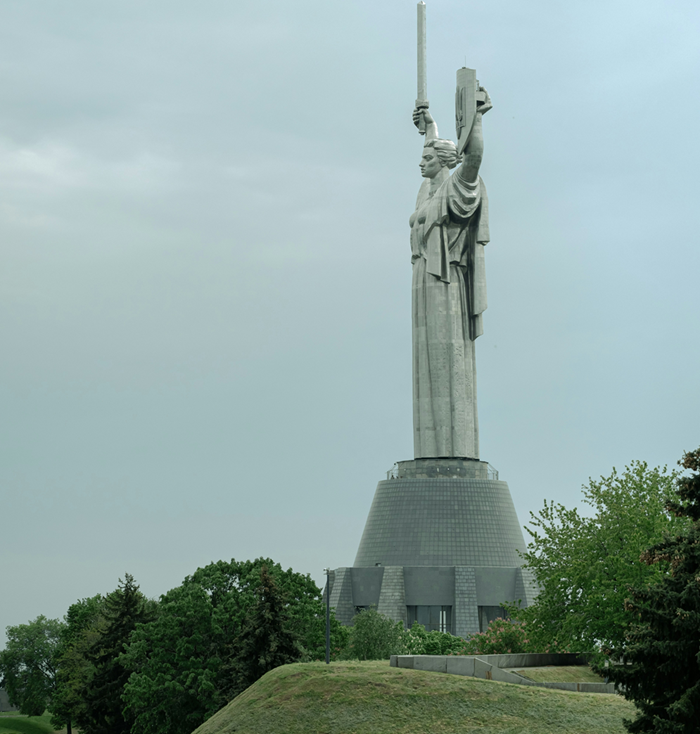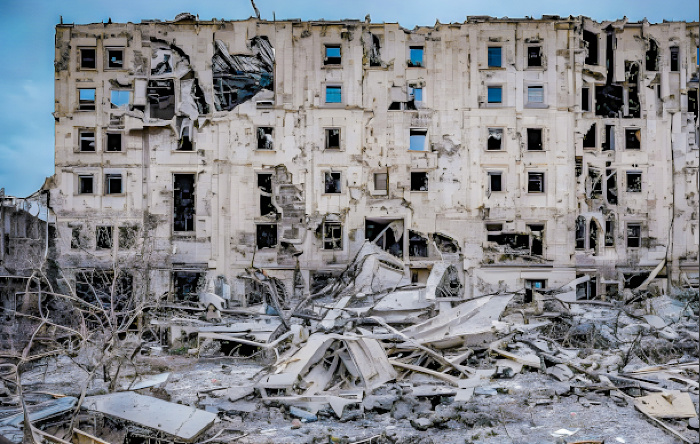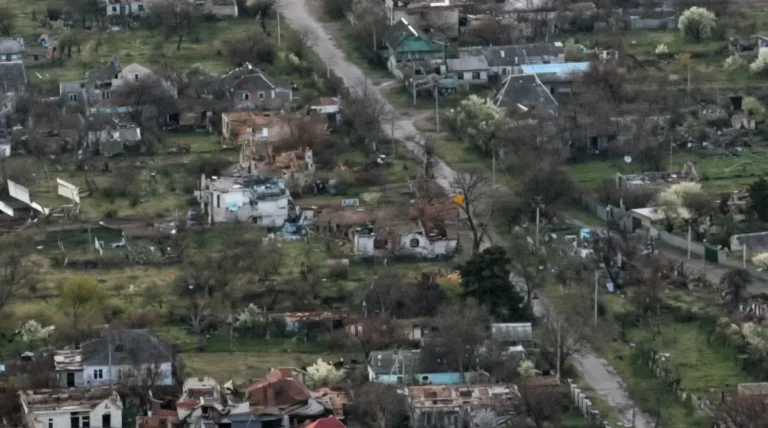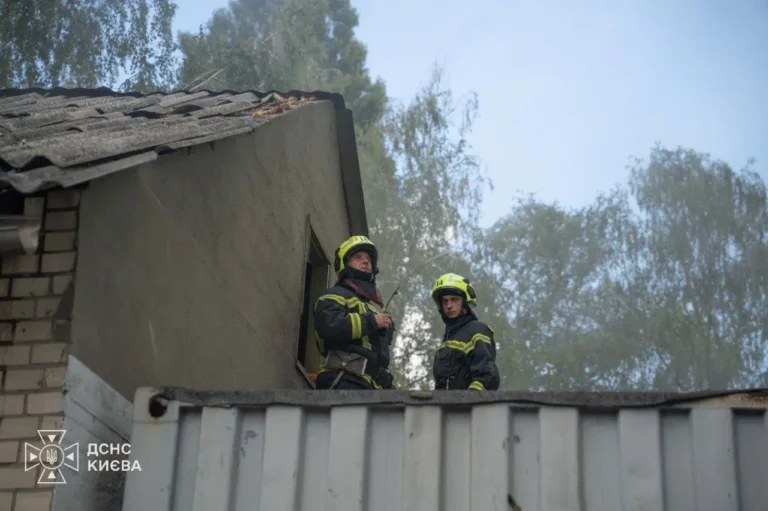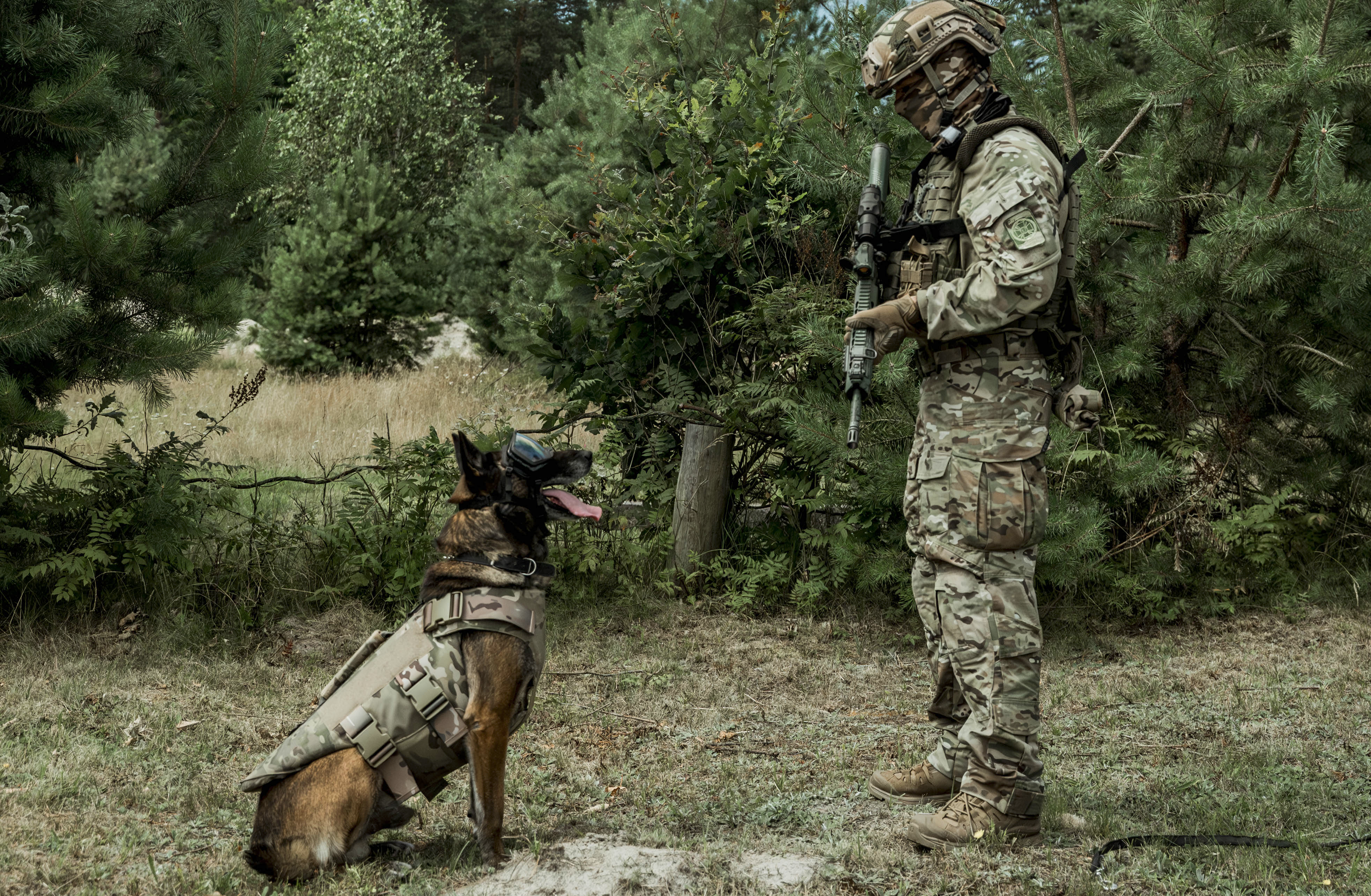
Ukrainian soldier with his military-trained dog. Source: https://war.ukraine.ua/imagebank/
Obtaining outside data.
Checking internet sources, using keywords: Ukraine ceasefire 2026
News from various sources:
The content provided focuses on various aspects of the ongoing conflict in Ukraine as of June and July 2026, particularly around ceasefire negotiations and international efforts to support Ukraine. Here’s a summary of the relevant points:
- Military Exercises and Readiness: The Coalition of the Willing, led by France and the UK, is conducting military exercises near Ukraine in preparation for a potential peacekeeping deployment. These exercises are designed to demonstrate readiness and to validate deployment plans for a peace mission contingent on a ceasefire.
- Ceasefire Negotiations and Market Sentiments: There is a decline in optimism regarding a formal ceasefire agreement between Russia and Ukraine, with market indicators showing reduced probabilities of a ceasefire by the end of 2026. Ongoing military activities and diplomatic efforts are being monitored closely.
- International Summits and Support: Over 25 international leaders, including Ukrainian President Zelenskyy, gathered in Paris for a summit to rally support for Ukraine and apply pressure on Russia to push for a ceasefire. There are discussions on military cooperation, specifically in air and missile defense, along with plans for joint military exercises.
- Public Opinion in Ukraine: A survey by the Kyiv International Institute of Sociology (KIIS) indicated varying levels of support among Ukrainians for different ceasefire scenarios. The highest support (61%) was for a scenario where European troops are deployed near the frontline to repel any renewed Russian invasion.
- Ballistic Missile Defense Coalition: Ukraine, supported by nine European countries, has launched a coalition to protect Europe from ballistic missile threats, enhancing their defensive capabilities against Russian aggression.
- U.S.-Ukraine Relations: Tensions were highlighted during a contentious meeting between President Trump, Vice President JD Vance, and President Zelenskyy. Trump demanded an “immediate ceasefire” between Russia and Ukraine and warned of pulling U.S. support if peace negotiations were not sought by Ukraine.
- Ongoing Hostilities: Despite discussions and proposed ceasefires, fighting continues. Russia and Ukraine are engaged in frequent military strikes, affecting both countries’ infrastructures and complicating diplomatic efforts for peace.
This summary captures the key developments and international diplomatic efforts surrounding the Ukraine ceasefire as discussed in the content from various news sources in mid-2026.
Fact-checked summary:
As of 2026, several factors are relevant to the potential for a ceasefire or armistice to be declared in Ukraine. Firstly, the Coalition of the Willing, led by France and the UK, is conducting military exercises near Ukraine, indicating preparation for peacekeeping efforts contingent on a ceasefire, which is important for supporting and enforcing any potential agreement. Internationally, over 25 leaders, including Zelenskyy, convened in Paris, showing a strong diplomatic push to support Ukraine and pressure Russia toward a ceasefire, highlighting the critical role of international diplomacy. Despite these efforts, market indicators suggest a decline in the optimism for a formal ceasefire, with probabilities reduced by the end of 2026, reflecting a critical sentiment that is pivotal in predicting the outcome. Furthermore, public opinion in Ukraine shows 61% support for a ceasefire with European troops deployed, a factor important for influencing government actions. Unfortunately, ongoing hostilities between Russia and Ukraine persist, severely complicating the path to diplomatic solutions and agreements, directly impacting the feasibility of implementing a ceasefire.
OpenAI gives a base rate of 0.3 (30%)
The question difficulty is rated 8 (0 to 10)
Historical weighted factors include:
Past ceasefire attempts in similar conflicts, 0.5
Current intensity of hostilities, 0.7
International diplomatic pressure and involvement, 0.8
Public opinion within Ukraine favoring ceasefire, 0.6
A Bayesian calculation could be performed as follows:
Using the weighted average of historical factors (0.5, 0.7, 0.8, 0.6), combined with current diplomatic efforts and public sentiment, we estimate a final Bayesian probability of approximately 35%. This reflects the external pressure and internal push for peace, counterbalanced by the current hostilities and lack of immediate resolution.
Bayesian base rate: 0.35 (35%)
Sufficient news to provide a good forecast? 1 (0 or 1)
News is relevant, topical and unbiased? 1 (0 or 1)
Question classification: scenario_based_forecast
Expected time (days) until question close: 167
The following were considered in order to produce this base rate:
The base rate considers the current diplomatic actions, historical success rates of armistices in similar conflicts, the current status of hostilities, and the partial public support in Ukraine. Given past difficulties in reaching and maintaining ceasefires in protracted conflicts, the base rate is adjusted to reflect both historical success and current challenges.
Ideally, the news feed would contain the following sorts of information for a better forecast:
More detailed intelligence on Russian decision-making, internal political pressures within Ukraine, and insights into the Coalition of the Willing’s strategy would help refine the forecast.
Some potential divergent considerations that might affect the base rate:
If there were a significant escalation or de-escalation, the probability could change drastically. A sudden breakthrough in negotiations or a major shift in Russian policy could also greatly increase the likelihood. Conversely, an intensification of conflict would likely reduce the chances.
The following chain of events are necessary for the question to resolve positively:
- Continued and effective international diplomatic pressure, especially from influential countries like France and the UK (likely).
- A shift in the Russian stance towards accepting a ceasefire (uncertain).
- Sufficient resolution of ongoing hostilities on the ground to facilitate negotiations (unlikely in the short term).
- Political agreement within Ukraine, with 61% public support for a ceasefire (somewhat likely).
- Deployment of European troops as peacekeeping forces post-ceasefire agreement (plausible but contingent on prior events).
Querying Claude (AI predicts: 0.22 – confidence: 3)
Querying Mistral (AI predicts: 0.35 – confidence: 6)
Querying OpenAI (AI predicts: 0.45 – confidence: 6)
Guide to Jeremy Lichtman’s Multi-AI Oracle Reports
Question Type: Binary
Median from LLMs: 0.35
Base rate: 0.3 (from OpenAI)
SD: 0.09
MAPD: 0.15333333333333
Confidence: 6
Conf Mode: Normal
Mellers: 0.29
Reverse Mellers: 0.4
Theory of Mind: 0.3 (What did the LLMs think other LLMs predicted?)
Beta Distribution: 0.28
Close Type: B (B = cautious # closer to 50%; A/C = closer to extremes)
LLM responses: 3
Model value: 0.35 (35%)
The likelihood of a ceasefire in Ukraine by the end of 2026 is evaluated based on a combination of factors, with a general probability derived from the historical base rate for such conflicts, adjusted to approximately 0.22. Key influences highlighted include active diplomatic efforts from Western powers like France and the UK, which contribute to international pressure, although Russian intransigence remains a crucial bottleneck. While Ukrainian public support for a ceasefire is notable, it may not suffice against entrenched political and security concerns. The prediction markets express declining optimism, aligning with this conservative estimate. Multiple hypothetical scenarios could shift this probability, ranging from unexpected diplomatic breakthroughs or shifts in battlefield dynamics to internal Russian developments. However, the complexity and inherent unpredictability of geopolitical events, combined with the short timeline remaining in 2026, suggest substantial barriers to a ceasefire, even amidst ongoing hostilities.
Runtime: 131 seconds.
About The Author