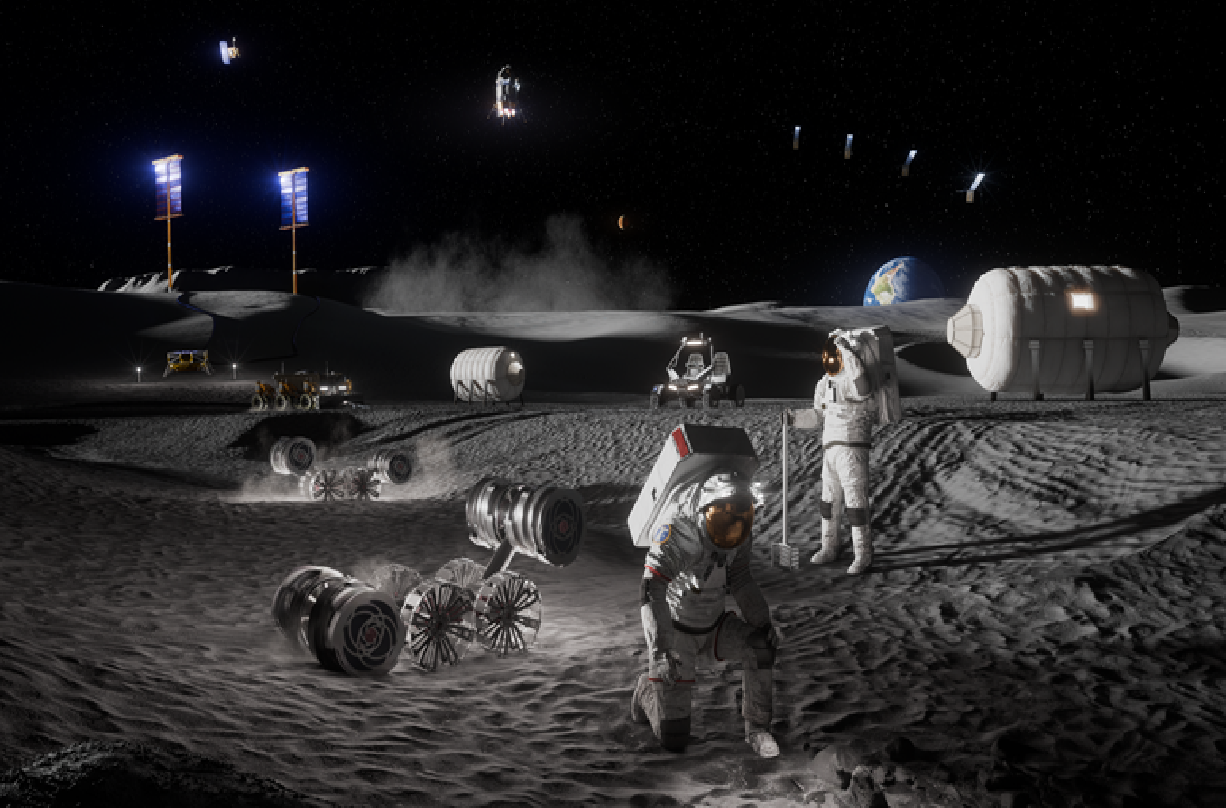
Artist’s concept depicting astronauts, habitats, rovers, power systems, and cargo operations supporting sustained human activities at the Moon Base near the lunar South Pole. Credit: NASA. Source: https://www.nasa.gov/news-release/nasa-announces-1-million-to-students-for-moon-base-challenge/
DeepSeek research response:
10 Key Citations
1. Moon to Mars | NASA’s Artemis Program — NASA (resolution source), undated program page, accessed Nov. 16, 2026
https://www.nasa.gov/humans-in-space/artemis/
Summary: NASA’s official Artemis hub states that Artemis III is “Launching in 2027” as a demonstration mission in low Earth orbit to test rendezvous and docking between Orion and test versions of commercial landers from Blue Origin and SpaceX. It lists Artemis IV as the first crewed Moon landing “in 2028,” with Artemis V also in 2028. The page gives no specific launch date, no requirement that both landers fly, and no definition of “successfully completes” beyond the docking demonstration.
2. NASA’s Artemis III Mission to Test Future Moon Lander Operations — NASA, Oct. 22, 2026
https://www.nasa.gov/missions/artemis/nasas-artemis-iii-mission-to-test-future-moon-lander-operations/
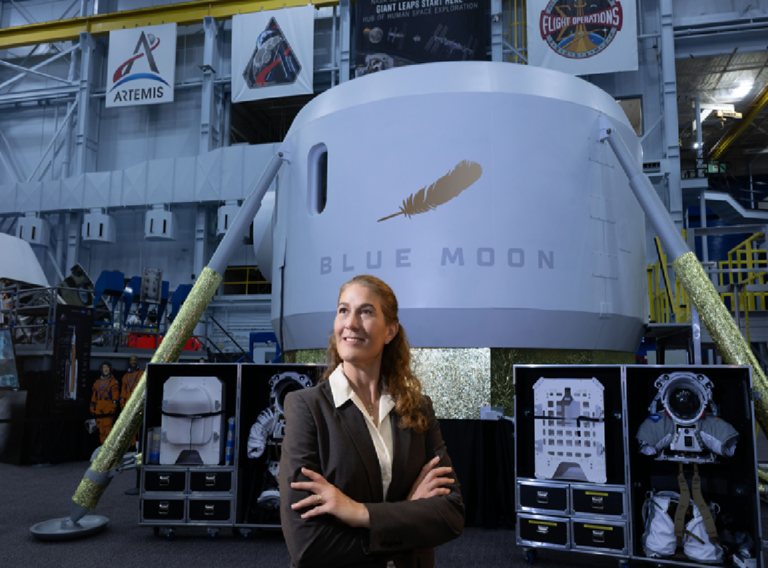
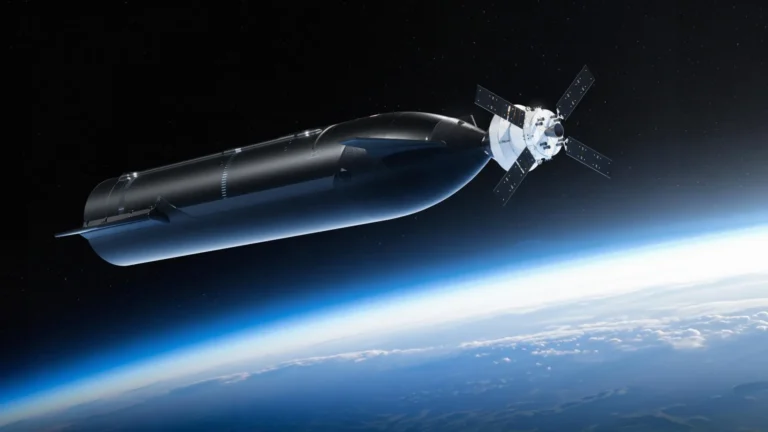
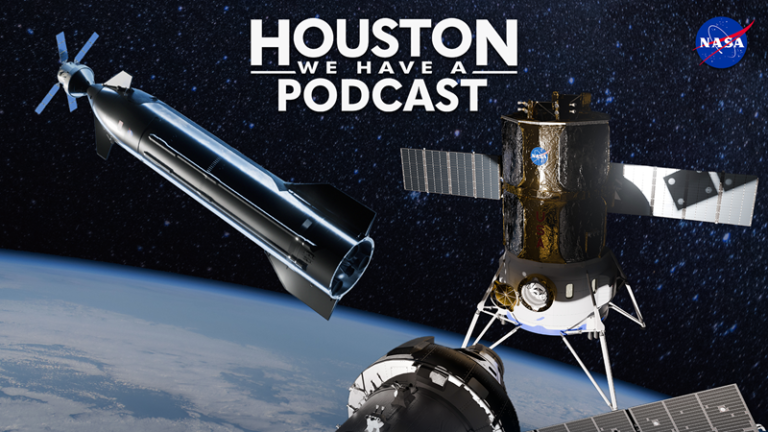
Summary: NASA details a roughly 14-day, three-spacecraft, three-rocket mission: Blue Origin’s Blue Moon MK2 test article launches first into a ~273-mile circular orbit and can loiter up to 30 days; Orion then launches on SLS and circularizes at ~345 miles before docking with Blue Moon for about two days, with crew entering the lander. After undocking, SpaceX launches a Starship V3 test article into a ~206-nautical-mile orbit for a docking of up to about two hours, during which the crew does not enter Starship. This is the most authoritative public description of what “success” would look like.
3. Our Artemis III Crew — NASA, June 8, 2026
https://www.nasa.gov/our-artemis-iii-crew/
Summary: NASA names commander Randy Bresnik, ESA pilot Luca Parmitano, and mission specialists Andre Douglas and Frank Rubio, with Bob Hines as backup. The page says the 2027 mission will “practice docking the Orion spacecraft with two lunar landers in low Earth orbit” and explicitly says Artemis III will not land on the Moon. It frames the flight as risk reduction for Artemis IV.
4. NASA eyeing year-end tanking test and summer 2027 launch for Artemis III — Aerospace America (AIAA), Oct. 22, 2026
https://aerospaceamerica.aiaa.org/nasa-eyeing-year-end-tanking-test-and-summer-2027-launch-for-artemis-iii/
Summary: After an Oct. 23 NASA press conference, officials said Artemis III remained on track for a “summer 2027” launch, with a chart showing a May–September 2027 window and a year-end 2026 SLS tanking test. NASA said SLS solid rocket booster integration was underway, Blue Origin was targeting pad operations in November 2026, and SpaceX was making “great progress” on the passive docking system for its Starship test article. Program manager Jeremy Parsons described both lander test articles as “progressing really well.”
5. What is Nasa’s Artemis III mission? And what comes next? — BBC, June 8, 2026
https://www.bbc.com/news/articles/cr5j40ezgz4o
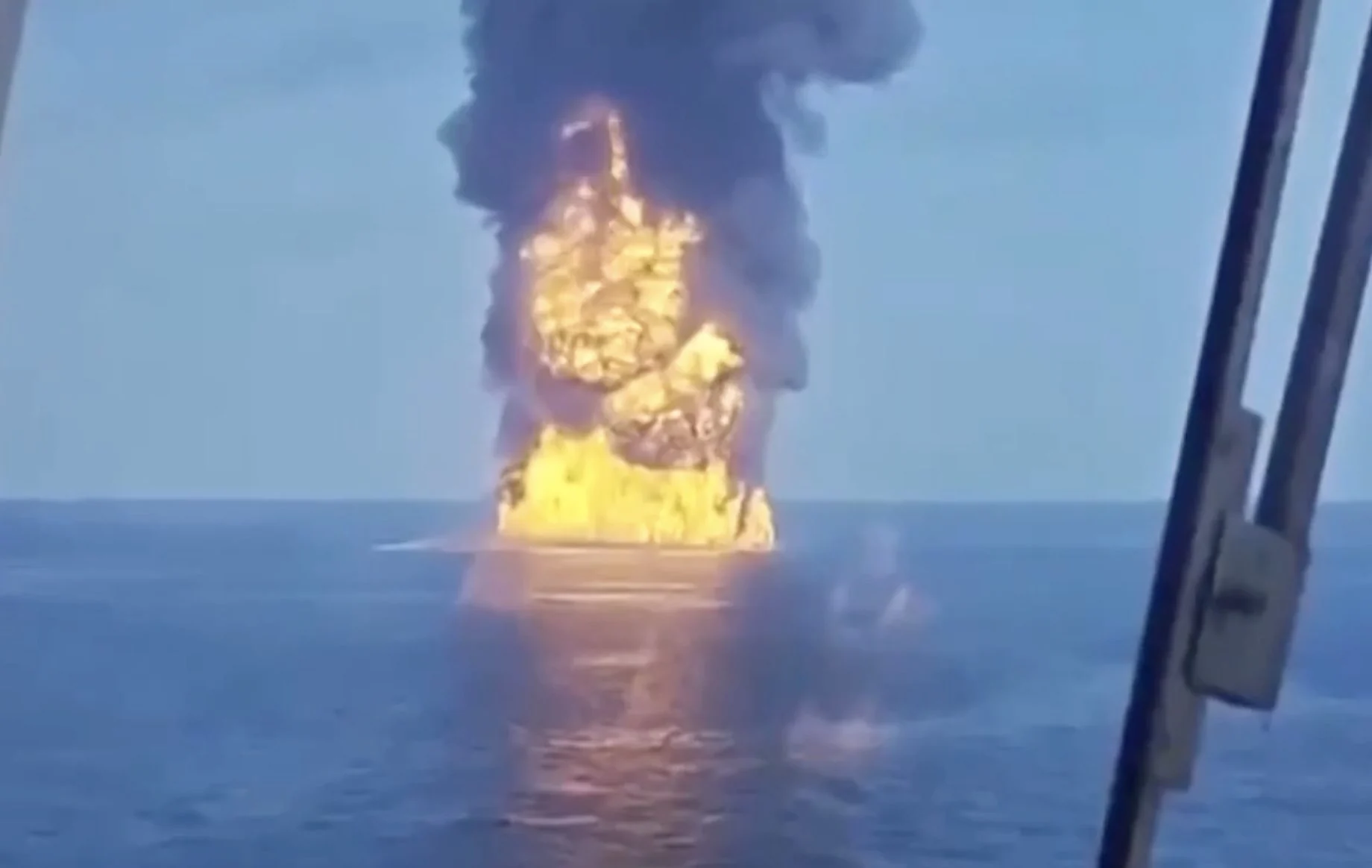
Summary: The BBC lays out the 14-day (extendable to 17-day) mission with three launches and two dockings, and notes Artemis III was converted from a landing to an orbital rehearsal in February 2026 because SpaceX’s Starship lander was not ready and orbital refueling had never been demonstrated. It cites a March 2026 GAO report finding SpaceX had made “limited progress” on refueling technology, with the first refueling demo optimistically set for late 2026. It also details the May 28, 2026 New Glenn pad explosion and NASA’s expectation that the pad would be ready by December 2026 or January 2027.
6. NASA reveals Artemis III crew — CNN, June 8, 2026
https://www.cnn.com/2026/06/09/science/artemis-3-crew-announcement
Summary: CNN reports NASA Administrator Jared Isaacman suggested Artemis III could dock with both landers, with Orion first docking Blue Moon for about two days and then Starship for about a day. Artemis program manager Jeremy Parsons said the crew would not enter Starship because it will lack a life-support-equipped crew cabin, while they would enter Blue Moon and test cabin systems and a spacesuit mass simulator. The article emphasizes that both landers faced uncertain timelines, especially Blue Origin after its May 2026 New Glenn explosion.
7. Blue Origin attempts end of year return and eyes Artemis IV selection — NASASpaceflight.com, Oct. 28, 2026
https://www.nasaspaceflight.com/2026/10/blue-origin-update-2/
Summary: Blue Origin has formally integrated its Blue Moon MK2 test article into the Artemis III LEO profile, with structural fabrication of dome and barrel panels underway and final hull welding expected by January 2027. After welding, Blue Origin must integrate communications, flight controls and avionics, then encapsulate the vehicle in New Glenn’s seven-meter fairing at LC-36A. The article also describes extensive LC-36A repairs after the May 2026 explosion and construction of a second pad, LC-36B.
8. Blue Origin pushing New Glenn return to launch into 2027, report says — Orlando Sentinel, Nov. 5, 2026
https://www.orlandosentinel.com/2026/11/06/blue-origin-pushing-new-glenn-return-to-launch-into-2027-report-says/
Summary: Blue Origin CEO Dave Limp told employees that New Glenn’s return to flight is now targeted for January 2027, missing the prior end-of-2026 goal because reconstruction of the LC-36 pad took longer than planned. The article calls New Glenn’s return “essential for NASA’s plans for its Artemis moon program,” since a Blue Moon MK2 test article is supposed to fly on New Glenn for Artemis III in mid-2027. It notes the lander is “nearly ready for launch,” but New Glenn has been grounded since the May 28, 2026 explosion.
9. SpaceX catches Starship in historic Flight 15 recovery, Musk says spacecraft could fly again within weeks — Aerospace Global News, Nov. 15, 2026
https://aerospaceglobalnews.com/news/spacex-catches-starship-upper-stage-first-time-flight-15/
Summary: On Nov. 14, 2026, SpaceX caught Ship 42 with the Starbase tower arms after a 22.5-hour, 14-orbit flight, the first recovery of an orbital-class upper stage; the Super Heavy booster was lost after its boostback burn ended early due to low fuel mass and was diverted to the Gulf. It was Starship’s second orbital flight, following Flight 14 in September 2026, and Musk said the ship could potentially be reflown after a few weeks of refurbishment. The article notes the successful recovery is relevant to NASA’s Artemis lander plans but that orbital propellant transfer remains unproven.
10. NASA Outlines Artemis Plans for SLS Testing, Sortie Spacesuit and Two 2028 Lunar Landing Paths — Science Official (based on NASASpaceflight reporting), Nov. 4, 2026
https://scienceofficial.org/space/nasa-outlines-artemis-plans-for-sls-testing-sortie-spacesuit-and-two-2028-lunar-landing-paths/
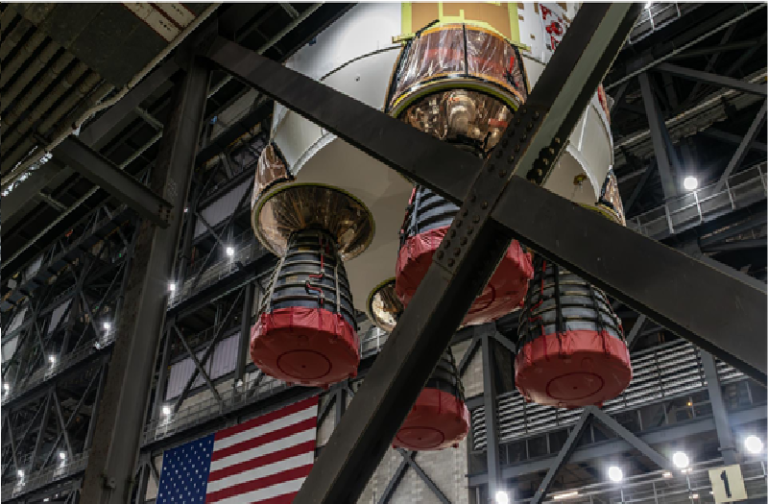
Summary: NASA is stacking a “stubby” SLS for Artemis III without an upper stage or Orion yet, targeting no earlier than summer 2027, but pad tanking tests have slipped “several months” because of hydrogen leaks at umbilical interfaces that have been under redesign since April 2026. The article also reports that NASA selected ULA’s Centaur V as the standard upper stage, that Axiom’s spacesuit schedule is under pressure (the NASA Inspector General warned a full suit could slip to 2031), and that the Lunar Gateway has been paused in favor of low lunar orbit architectures. It concludes that “the goal of a landing in 2028 remains uncertain.”
Extracted resolution criteria links:
[‘https://www.nasa.gov/humans-in-space/artemis/‘]
=== Forecast Result ===
Rationale
This is a close call, with schedule slippage into 2028 the main reason for a “No.” The revised orbital demonstration is substantially easier than a lunar landing, but it still combines several first-use systems on a tight development schedule.
What must happen
I interpret the criteria as requiring NASA-recognized completion of the Artemis III orbital demonstration, including docking with at least one commercial lander. Both providers need not participate. Orbital refueling, a lunar landing, and operational lunar spacesuits are not prerequisites.
Launching during 2027 is insufficient if the mission finishes in January. For the planned two-week flight, launch would probably need to occur by approximately mid-December.
Evidence supporting completion
- NASA continues to target 2027, with summer identified as the intended launch period. This provides some room for delays before the resolution deadline.
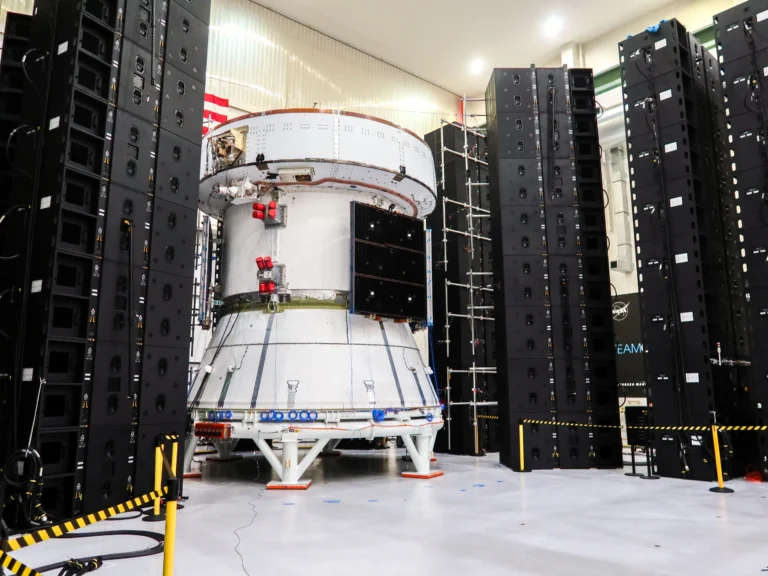
- Hardware integration is underway. SLS stacking and Orion assembly are stronger evidence than an announcement unsupported by flight hardware.
- Artemis II’s reported successful April 2026 flight reduces uncertainty about the core SLS/Orion system.
- The demonstration has meaningful flexibility. A single-provider mission could qualify, and the Starship test article does not require a crew cabin or orbital refueling.
- Starship’s recent orbital flight and recovery provide tangible evidence of progress, although they do not establish docking readiness.
Evidence against completion
- SLS/Orion still has a substantial integration campaign ahead. Reported hydrogen-leak and tanking-test delays could consume the available schedule margin.
- Blue Origin has two linked development risks: completing the Blue Moon test article and returning New Glenn to reliable flight after its pad accident. The specific report of hull welding continuing into January deserves more weight than the less precise description “nearly ready.”
- Starship’s remaining tasks are mission-specific: the appropriate launch infrastructure, docking hardware, proximity operations, and integrated safety approval. Recent launch success does not retire those risks.
- The planned three-launch sequence creates coordination risk. Even though one provider can satisfy the question, NASA might delay rather than immediately simplify its operational plan.
- Previous Artemis schedules warrant an optimism discount. I give the generic OIG warnings relatively little additional weight because they largely describe risks already captured above.
Probability model and critical assumptions
These are judgmental conditional estimates, not independent hardware reliability measurements.
| Critical assumption | Probability it fails |
|---|---|
| SLS/Orion and associated approvals are ready early enough for completion during 2027 | 25% |
| Conditional on that readiness, at least one lander and a workable integrated launch/docking sequence are available in time | 30% |
| Conditional on readiness and scheduling, the flight achieves NASA-recognized successful completion before the deadline | 8% |
The second assumption incorporates both the benefit of a single-provider fallback and the possibility that changing the planned two-provider sequence introduces additional delay.
This gives:
[
P(\text{Yes}) \approx 0.75 \times 0.70 \times 0.92 = 0.483
]
The largest uncertainty is timely integrated readiness, rather than whether docking is physically achievable once all systems have been cleared to fly.
Timing cross-check
My cumulative completion estimates are:
| Completion deadline | Probability |
|---|---|
| June 30, 2027 | 5% |
| September 30, 2027 | 25% |
| December 31, 2028 | 80% |
The distribution is therefore back-loaded: limited near-term prospects, a substantial late-2027 opportunity, and considerable probability spilling into 2028. That supports a forecast near—but slightly below—even odds for the specified deadline.
Data sufficiency: Sufficient
Probability: 48%
End
About The Author