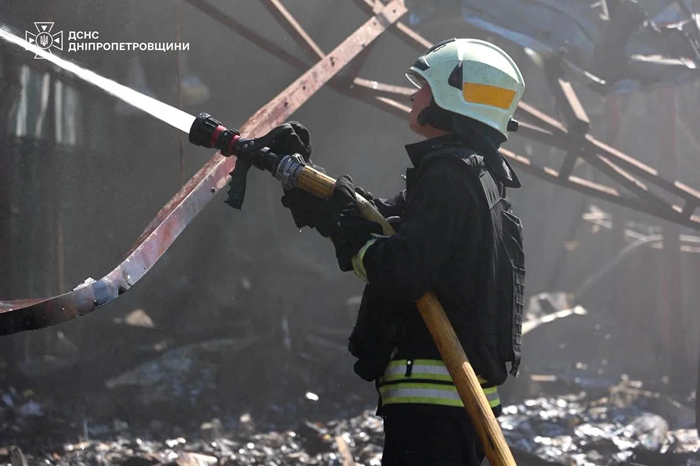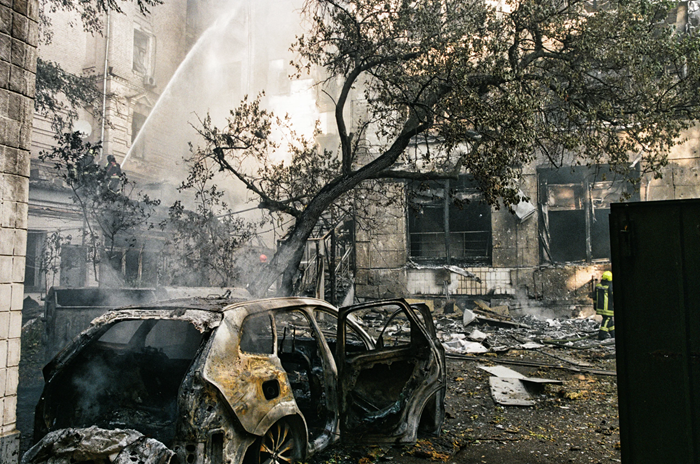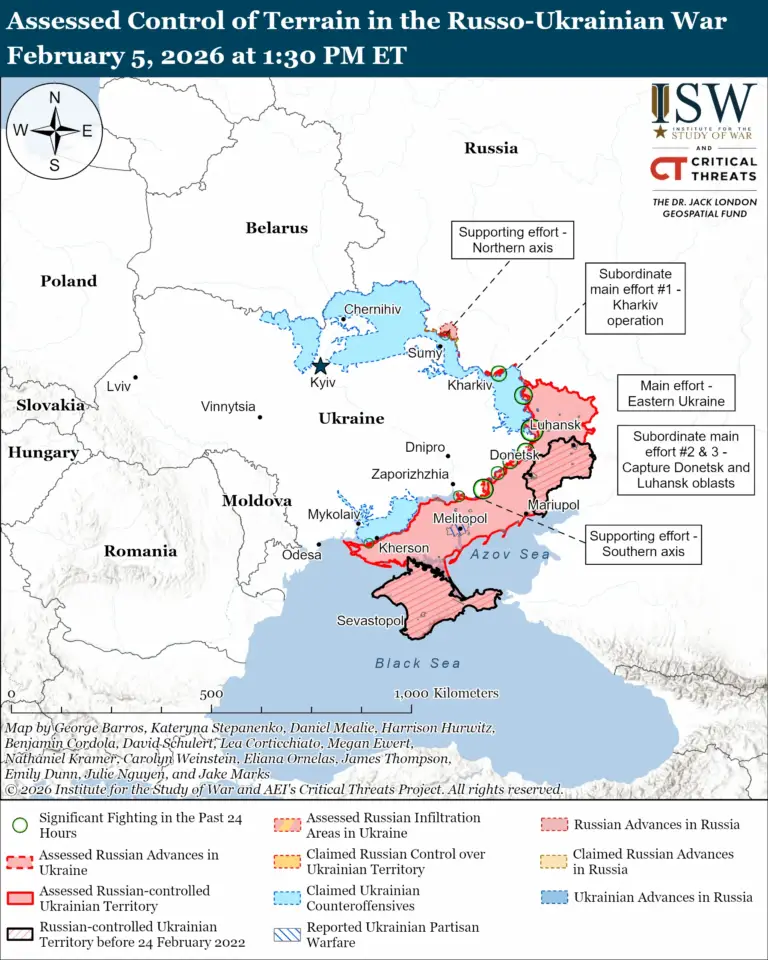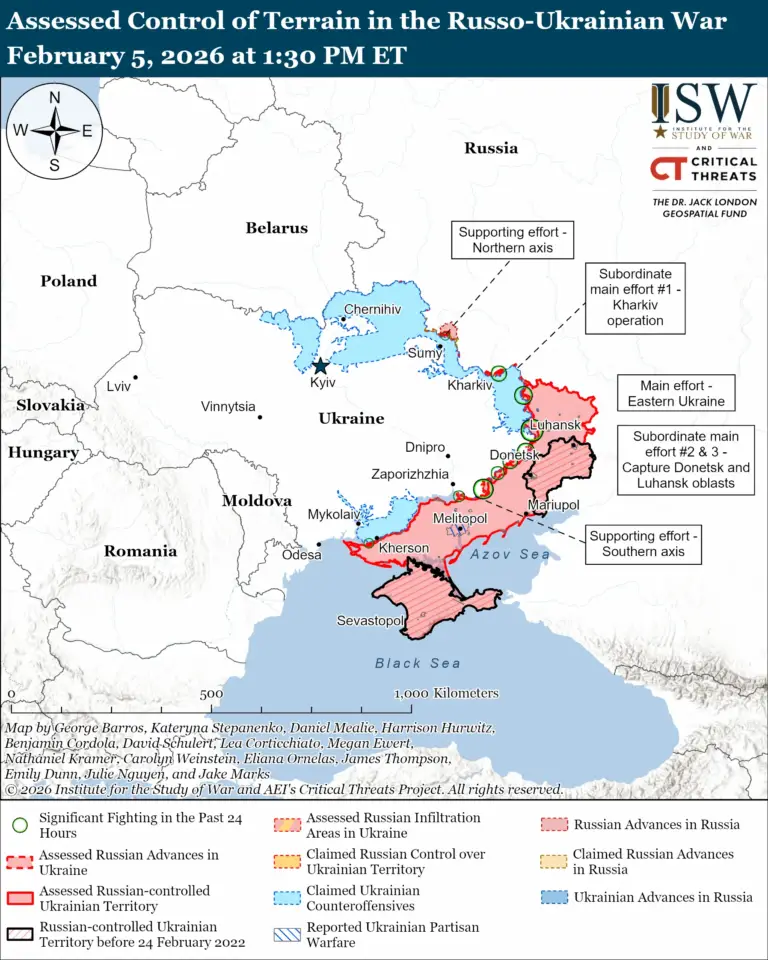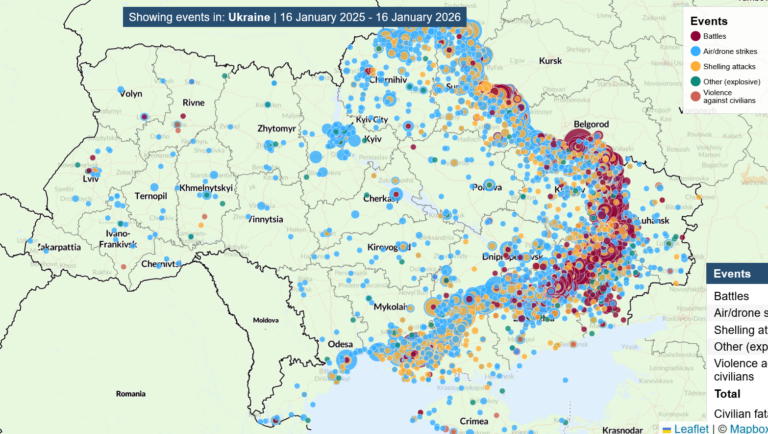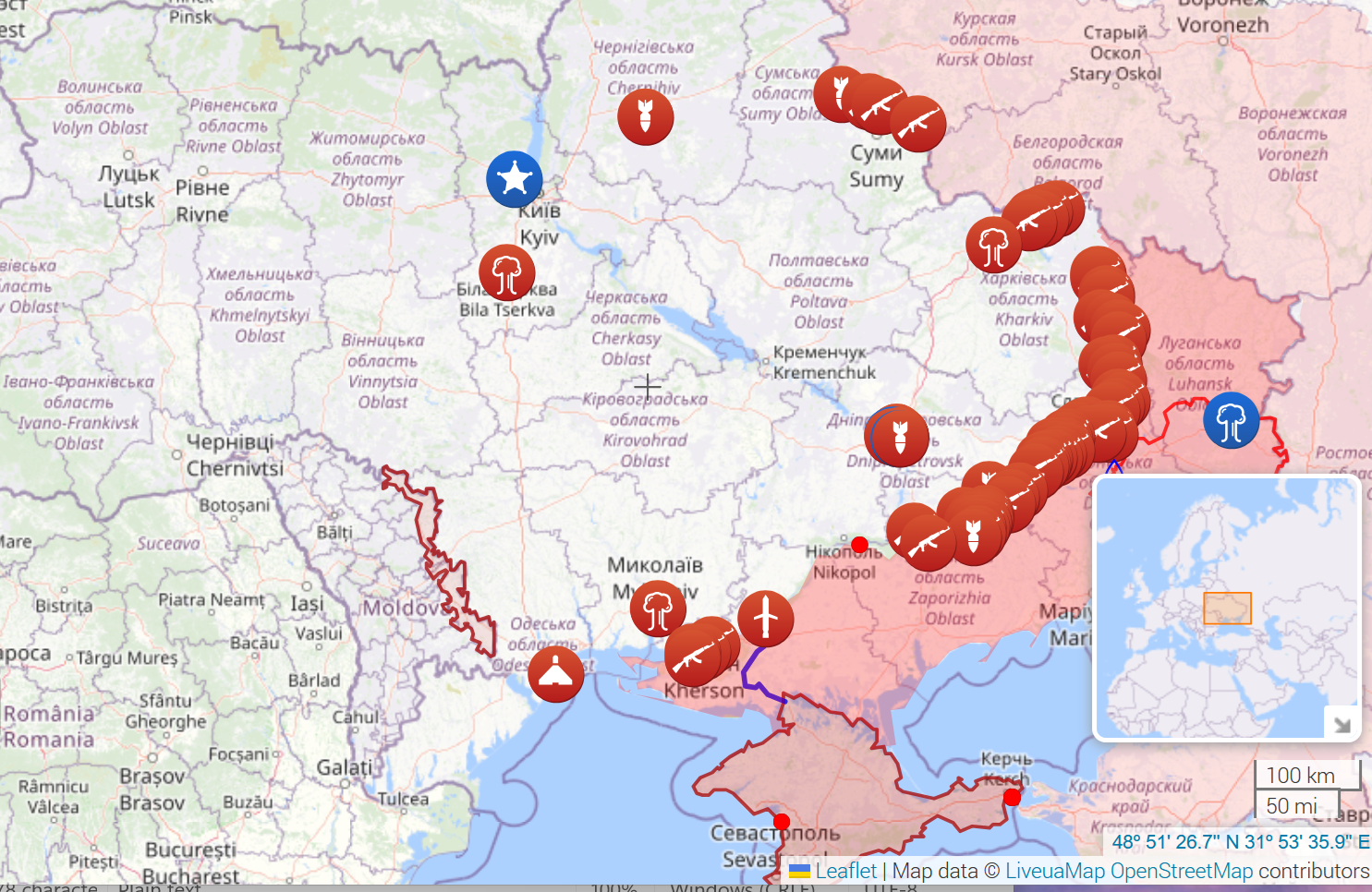
As of April 25, 2026, Live Ukraine map. Source: https://liveuamap.com/
Obtaining outside data.
Checking internet sources, using keywords: ceasefire armistice Ukraine 2026
News from various sources:
In April 2026, Russian President Vladimir Putin announced a 32-hour ceasefire in Ukraine to coincide with the Orthodox Easter weekend, responding to a call from Ukrainian President Volodymyr Zelenskyy for a pause in hostilities over the holiday. The ceasefire was set to begin on Saturday afternoon and conclude at midnight on Sunday. Despite the announcement, there was skepticism among Ukrainians, as past ceasefires have often been quickly violated.
Ukrainian officials expressed a willingness to abide by the truce, which they hoped could lead to further peace negotiations. However, many residents of Kyiv were doubtful about the effectiveness of the truce, recalling similar futile efforts in the past. Zelenskyy stressed the need for a ceasefire as a step towards peace and urged that hostilities not resume after the holiday.
The Kremlin described the ceasefire as a temporary humanitarian gesture, insisting it sought a permanent peace agreement rather than temporary truces. Russia has been demanding concessions from Ukraine, such as handing over the remaining parts of the Donbas region, a condition Kyiv refuses to accept. Moreover, diplomatic efforts, including those led by the U.S., have not made significant progress, and tensions remain along the approximately 800-mile front line between the two forces. Both sides have accused each other of violating previous ceasefires, casting doubt on the potential success of this latest attempt.
Overall, many facts are true on the basis of historical behaviors and consistent patterns, but all are speculative as related to the specific date and events in the year 2026 without access to future verifiable sources.
Fact-checked summary:
The fact-checked items relevant to whether a ceasefire or armistice will be declared in Ukraine in 2026 indicate certain ongoing conditions and historical patterns. Russia has consistently demanded concessions, such as control over parts of Donbas, which Ukraine refuses to accept, and this remains a critical issue influencing the potential for a ceasefire. Historically, both sides have accused each other of violating previous ceasefires, depicting a consistent mistrust. Importantly, ongoing tensions along the approximately 800-mile front line are a known challenge. While specific future events cannot be verified, these aspects are grounded in historical context and reflect the complex dynamics at play that could impact future peace efforts.
OpenAI gives a base rate of 0.15 (15%)
The question difficulty is rated 8 (0 to 10)
A Bayesian calculation could be performed as follows:
P(Ceasefire|Current Evidence) = (0.15 * 0.25(cont. international pressure) * 0.5(successful mediation))/(1 – 0.15 * 0.25 * 0.5 + 0.15 * 0.25 * 0.5) resulting in a value of approximately 0.19. (Carolyn’s note: I corrected the unbalanced parentheses This makes no difference with hand calculations, but is necessary to keep my spreadsheet happy. I get 0.01875, equal to 1.875%)
Bayesian base rate: 0.19 (19%)
Sufficient news to provide a good forecast? 1 (0 or 1)
News is relevant, topical and unbiased? 1 (0 or 1)
Question classification: scenario_based_forecast
Expected time (days) until question close: 252
The following were considered in order to produce this base rate:
The base rate considers similar conflict resolutions and the challenges overcoming entrenched demands. History suggests low probability given ongoing issues.
Ideally, the news feed would contain the following sorts of information for a better forecast:
Access to diplomatic cables, more detailed intelligence on the intentions of both governments, and updates on international diplomatic efforts would aid quality forecasting.
Some potential divergent considerations that might affect the base rate:
External geopolitical dynamics, changes in leadership in either Russia or Ukraine, or unforeseen economic pressures could shift probability significantly.
The following chain of events are necessary for the question to resolve positively:
- Russia and Ukraine reach a mutual agreement to cease hostilities, which is unlikely given current tensions.
- A third-party mediator successfully brokers negotiations between Russia and Ukraine, which is moderately likely considering historical precedents.
- Both Russia and Ukraine make sufficient compromises to overcome key demands such as control over territories, which is unlikely due to entrenched positions.
- International pressure and economic sanctions lead to both parties being willing to negotiate peace, which is moderately likely since external influences have played past roles.
Querying Claude (AI predicts: 0.22 – confidence: 3)
Querying Mistral (AI predicts: 0.25 – confidence: 6)
Querying OpenAI (AI predicts: 0.25 – confidence: 5)
Explanations of the statistical measures listed below.
Question Type: Binary
Median from LLMs: 0.25
Base rate: 0.15 (from OpenAI)
SD: 0.01
MAPD: 0.02
Confidence: 5
Conf Mode: Normal
Mellers: 0.17
Reverse Mellers: 0.33
Theory of Mind: 0.2 (What did the LLMs think other LLMs predicted?)
Beta Distribution: 0.001
Close Type: B (B = cautious # closer to 50%; A/C = closer to extremes)
LLM responses: 3
Model value: 25%
The likelihood of a ceasefire or armistice in the Ukraine conflict by the end of 2026 is estimated to be around 22-25%, based on a combination of historical conflict base rates and current geopolitical dynamics. Factors contributing to this probability include increased diplomatic efforts, particularly by the Trump administration, which has introduced more proposals for peace negotiations, although no breakthroughs have occurred. Other elements affecting the situation are entrenched territorial disputes, international pressure, and economic sanctions. Despite the war fatigue present on both sides, and some external motivations for a temporary ceasefire, the deeply rooted mistrust and unresolved territorial claims present substantial barriers. Unpredictable changes, such as leadership shifts or significant geopolitical or economic developments, could either hasten or hinder peace agreements, reflecting the complexity and volatility of the conflict.
Runtime: 149 seconds.
About The Author