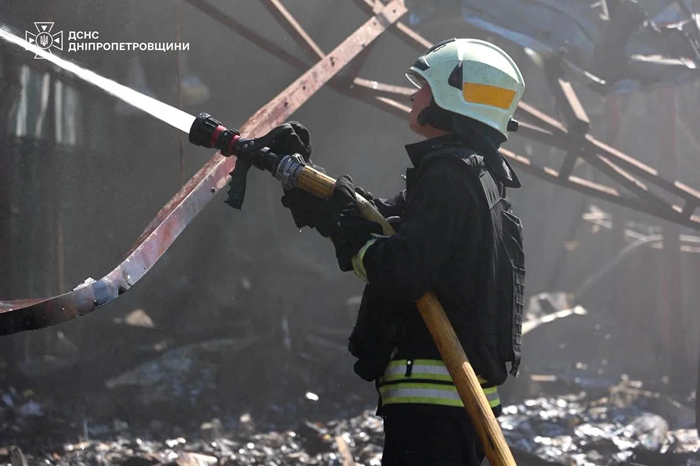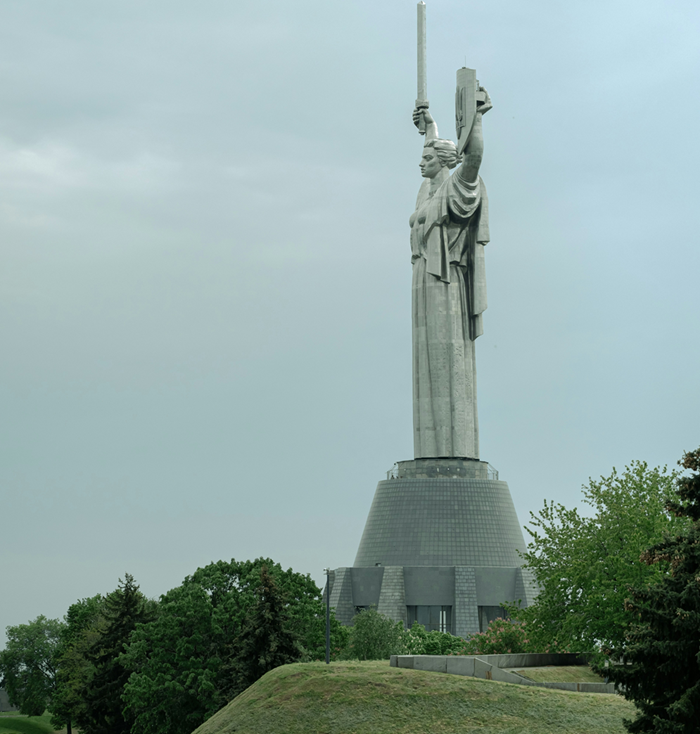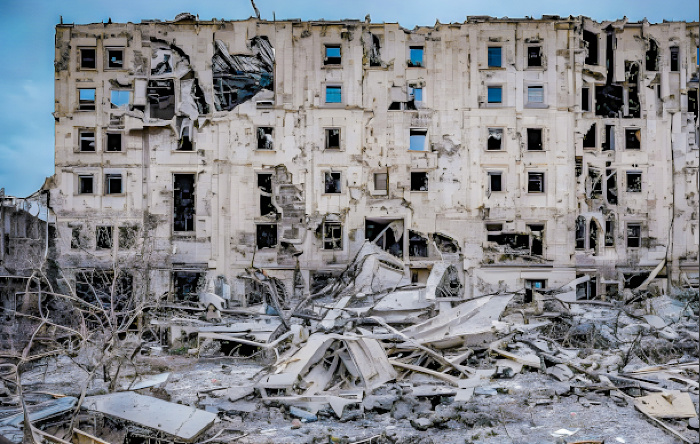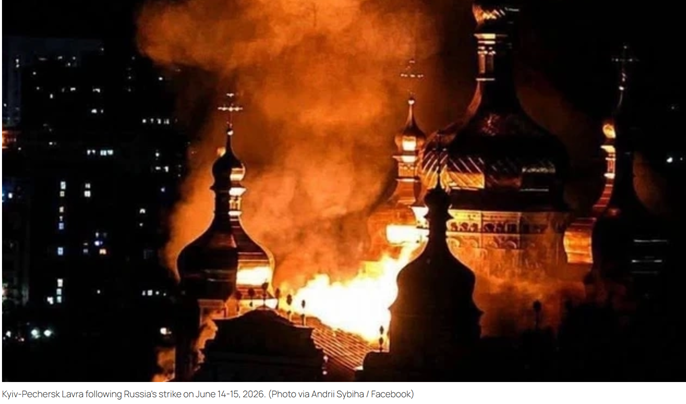
A Russian missile and drone strike on June 14- 15, 2026, severely damaged Kyiv's Pechersk Lavra monastery. (Photo via Andrii Sybiha https://www.facebook.com/andrij.sybiha/)
Grok response:
10 Key Citations
- Peace negotiations in the Russo-Ukrainian war (2022–present) – Wikipedia page tracking all diplomatic efforts since the 2022 invasion. Published/updated September 2, 2026. It details 2026 trilateral US-Russia-Ukraine talks in Abu Dhabi (January) and Geneva (February), short Easter and Victory Day ceasefires in April-May, a Kazakhstan proposal in July to “freeze” the war based on an “Istanbul Formula 2.0,” and ongoing US-mediated efforts with no comprehensive settlement as Putin maintains maximalist territorial and neutrality demands.[1]
- Putin Cites Chance of Peace Deal, Zelenskiy Says US Negotiators to Visit Both Countries – Reuters article via US News on latest diplomatic signals. Published September 3, 2026. Putin stated there is a chance of an agreement to end the war, with support from the US and China, while Zelenskyy announced preliminary dates for US negotiators (Witkoff and Kushner) to visit both Moscow and Kyiv; Chicago wheat futures dropped over 2% on the comments, indicating market reaction to potential de-escalation.[2]
- Russia x Ukraine ceasefire by end of 2026? – Polymarket prediction market page with live odds and volume. Various snapshots through 2026 (e.g., July-August updates). The market (volume $2-4 million) currently prices a ~47-52% chance of an official, mutually agreed halt in military engagement by December 31, 2026; rules exclude informal deals or humanitarian pauses and require consensus reporting from official announcements or major media.[3]
- Trump says Russia and Ukraine have agreed to a 3-day ceasefire – AP News report on a US-brokered pause. Published May 8, 2026. Trump announced both leaders agreed to a three-day ceasefire (May 9-11) coinciding with Russia’s Victory Day, including a 1,000-prisoner swap per side and a halt to all kinetic activity; Zelenskyy and a Putin adviser confirmed, with Trump calling it a potential “beginning of the end,” though prior short truces had collapsed amid mutual accusations.[4]
- Moscow and Kyiv accuse each other of violating US-brokered truce – AP News follow-up on the May pause. Published May 10, 2026. Both sides reported continued drone, artillery, and other strikes during the three-day truce, with Ukraine citing civilian casualties in Kharkiv and Kherson and Russia claiming over 1,000 Ukrainian violations; NASA data showed reduced but not halted activity, consistent with previous short ceasefires failing to fully stop fighting.[5]
- Russia’s War Boom Masks an Economic Implosion – Foreign Policy analysis of Russia’s wartime economy. Published April 28, 2026. Official unemployment is 2.1% but manufacturing faces a nearly 2 million worker shortage (projected 10 million by decade’s end); Russia has recruited over 27,000 foreign mercenaries (up from 18,000 in late 2025) and increased work permits for Indians, while civilian sectors contract as defense wages pull labor and agriculture loses 150,000 workers yearly.[6]
- The Time Is Ripe for Russia-Ukraine Peace Talks, But Putin Could Escalate Conflict – Council on Foreign Relations expert commentary. Published July 10, 2026. NATO resolve and Trump’s comments create momentum for a framework (ceasefire along the line of contact, Western security ties without NATO membership, no further eastward expansion), but Putin appears ready to increase aerial assaults despite setbacks; shuttle diplomacy could press for a ceasefire, though Russia prefers a comprehensive settlement including more territory.[7]
- Russian Offensive Campaign Assessment, June 28-29, 2026 – Institute for the Study of War (ISW) daily military updates. Published June 28-30, 2026. Russian advances slowed to an average 1.03 square kilometers per day in June (vs. 16.65 in August 2025), with Ukraine conducting successful counterattacks in Kupyansk, southern Ukraine, and Zaporizhzhia; Putin used a party congress speech to reject diplomacy and project strength, while Ukraine struck Russian oil infrastructure.[8]
- The Russian economy in 2025: Between stagnation and militarization – Atlantic Council report on wartime finances. Published December 12, 2025. Military spending reached ~5-7% of GDP with recruitment bonuses exceeding 1 million rubles in most regions; the National Welfare Fund is depleted 59%, regional budgets ran a historic 1.5 trillion ruble deficit in 2025 due to war costs, and non-defense sectors stagnated as labor tightness (unemployment ~2%) drove inflation.[9]
- Russia’s military recruitment numbers remain steady, but how long can the regions foot the bill? – Meduza interview with researcher Janis Kluge. Published February 23, 2026. Russia signed ~422,000 contracts in 2025 (slight drop from 450,000 in 2024); regional bonuses (often 1-3 million rubles) strain local budgets, with 73 of 89 regions in deficit, and the federal government may need to intervene as recruitment costs ~0.5% of GDP amid high overall war spending.[10]
News and Data
Diplomatic activity intensified in 2026 under Trump administration mediation: first trilateral talks in Abu Dhabi (January 23-24 and February 4-5) produced a 314-prisoner swap (first in five months), followed by Geneva talks (February 17-18) with limited progress as Russia insisted on full Donbas control. Zelenskyy has pushed for an unconditional/long-term ceasefire and security guarantees (15-20+ years), while Putin demands recognition of occupied/claimed territories, Ukrainian neutrality, military constraints, and sanctions relief.[2]
Russia’s advances have slowed dramatically (1 km²/day recently vs. much higher in 2025), with high casualties (estimates 416,000 in 2025) and Ukraine conducting long-range strikes on Russian oil/refineries plus some territorial recoveries. Russia continues using foreign mercenaries (over 27,000 as of March 2026) and high regional recruitment bonuses (often 1-3 million rubles, exceeding annual wages)[6]
=== Forecast Result ===
=== Reasoning ===
The relevant window is only from September 4 through December 31, roughly four months. A comprehensive armistice remains unlikely: Russia’s territorial demands and Ukraine’s security requirements are still far apart, talks were recently described as being in a “deep pause,” and both sides appear prepared for continued winter combat
However, the resolution criteria are substantially broader than a durable peace agreement. A limited, temporary, or region-specific ceasefire would qualify. The planned U.S. envoy visits, Putin’s newly more conciliatory rhetoric, and the history of holiday- or prisoner-exchange-linked pauses create a meaningful possibility of such an announcement. The prior 2026 pauses also show that both sides can agree to short arrangements even while accusing each other of violations.
My central estimate is therefore below the prediction-market range for a mutually agreed halt only because the remaining time is short and the diplomatic gap is large, but not dramatically below it because this question permits fragile or partial ceasefires.
Key assumptions:
- U.S.-backed diplomacy produces a concrete proposal rather than another round of procedural talks: failure probability about 35%.
- Russia does not obtain a battlefield or political advantage that makes a pause unattractive before year-end: failure probability about 25%.
- A short humanitarian, holiday, or localized truce is treated by major outlets as an official Russia–Ukraine ceasefire: failure probability about 20%; this is the most important definitional uncertainty.
Balancing these risks against the possibility of a limited pause, I assess the event as close to even odds but modestly below even.
Probability: 44%
About The Author