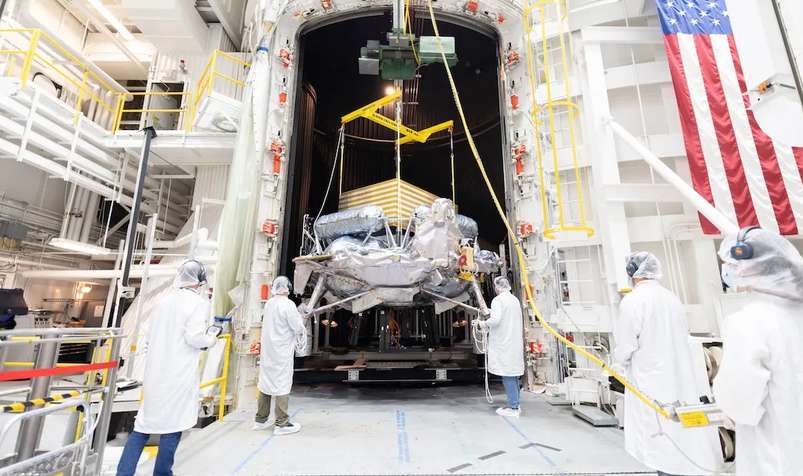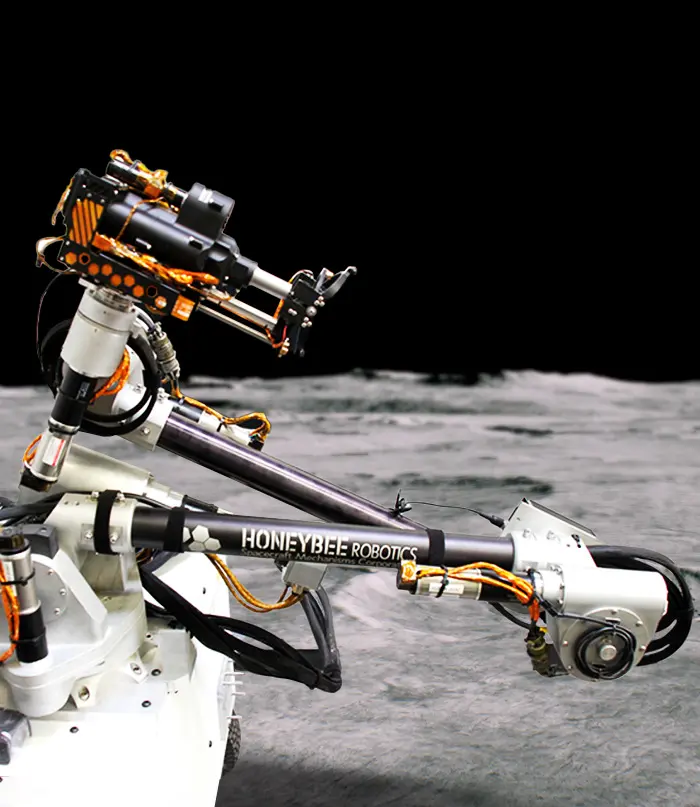
Blue Origin develops Honeybee Robotics end-to-end solutions, such as robotic arms, manipulators,
Grok response:
Here is a list of 10 recent, relevant citations (with titles, descriptions, publication dates where available, and summaries) drawn from official NASA sources and reputable space news outlets as of mid-July 2026:
- Moon to Mars | NASA’s Artemis Program (NASA.gov) – Official program overview page. Published/updated April 10, 2026. Summarizes Artemis III as the 2027 LEO demonstration mission testing one or both commercial landers; notes Artemis IV lunar landing target remains early 2028 (unchanged since mid-2025).[1][1]
- Artemis III (NASA.gov mission page) – Dedicated mission page. Updated June 12, 2026. Confirms 2027 launch target for crewed LEO demonstration of critical systems (rendezvous/docking with commercial landers) ahead of Artemis IV; includes crew details and hardware status.[2][2]
- NASA Marches Toward Artemis III Mission in 2027, Names Crew Members (NASA news release) – June 9, 2026. Announces prime crew (Randy Bresnik commander, Luca Parmitano pilot, Andre Douglas and Frank Rubio mission specialists) and backup; states crews begin immediate training and that the mission will demonstrate systems for future lunar landings.[3]
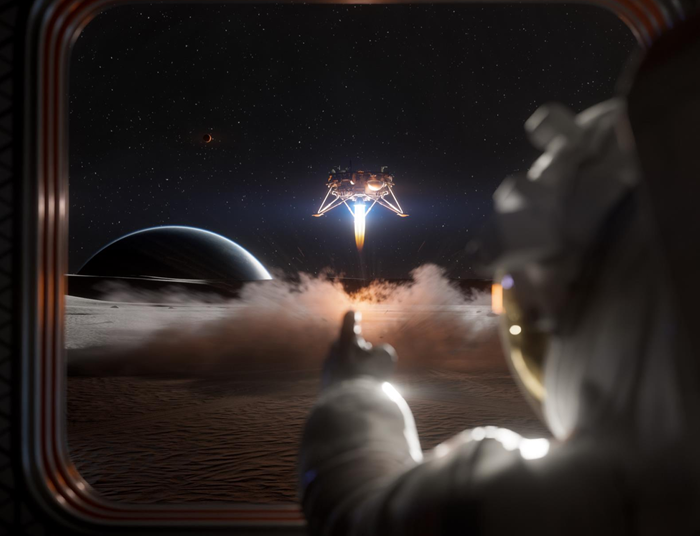
- How NASA’s Artemis III Lander Test Will Pave Way for Moon Landings (NASA.gov) – Published ~July 15, 2026 (5 days before current date). Details test versions of SpaceX and Blue Origin landers for the 2027 mission, notes prior ground testing of docking systems (SpaceX 2023, Blue Origin earlier 2026), and confirms NASA will ensure mission readiness.[4]
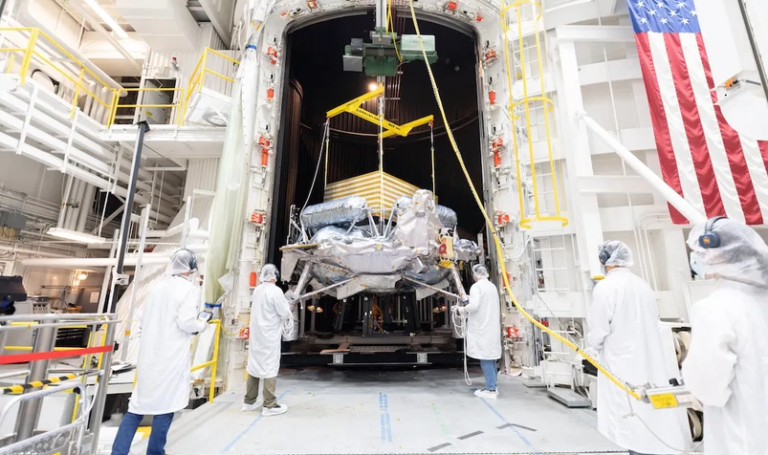
- Revised Artemis lunar lander plans take shape (SpaceNews) – June 13, 2026. Reports Blue Origin manufacturing underway 24/7 on Artemis III Mark 2 vehicle despite May 2026 New Glenn pad explosion; Blue Origin official states expectation to complete vehicle and be ready for 2027 launch.[5]
- Artemis III Astronauts Will Meet SpaceX, Blue Origin Landers in Earth Orbit (Payload Space) – ~July 2026. Covers plans for both providers to fly test articles in 2027; notes Blue Origin confidence in New Glenn readiness for Artemis III despite recent issues, with mission serving as dress rehearsal for 2028 landings.[6]
- NASA’s Artemis III Mission Update (NASA+ event page) – June 9, 2026. Live event announcing crew and providing mission confidence update; confirms LEO rendezvous/docking objectives with commercial landers.[7][7]
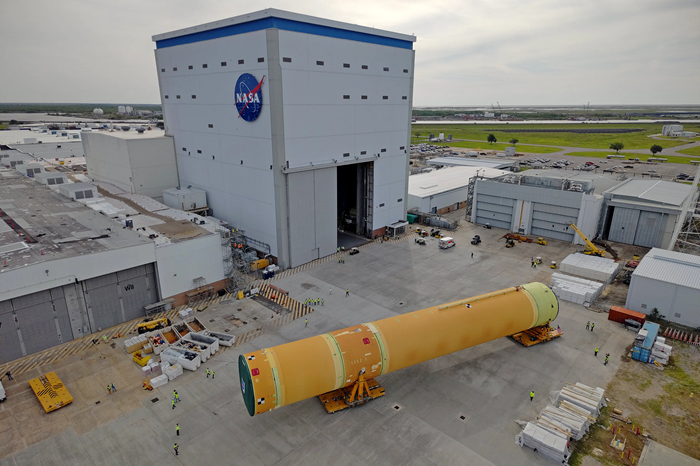
- NASA’s Artemis III Flight Hardware Stacks Up at Kennedy (NASA blog) – Post-Artemis II (April 2026 timeframe). Describes ongoing hardware processing and stacking preparations at Kennedy Space Center for the 2027 mission following successful Artemis II.[8]
- NASA Taps SpaceX’s Starlink to Deliver Artemis III Imagery from Orion (NASA news item) – Recent (post-April 2026). Details support contracts and imagery plans for the mission, indicating active preparation.[1]
- NASA’s Artemis II success and transition to III (various NASA blogs/updates) – April 2026 (launch/splashdown coverage). Artemis II flew successfully April 1–10, 2026; post-flight updates note immediate shift to Artemis III hardware and planning with no schedule slippage indicated for the 2027 target.[9][8]
Recent updates and context: As of July 2026, NASA’s official pages and June 2026 crew announcement maintain the mid-to-late 2027 target for the Artemis III LEO demonstration without announced delays. Artemis II’s successful April 2026 flight has enabled focused hardware work. Both commercial partners (SpaceX Starship test article and Blue Origin Blue Moon Mark 2) report manufacturing and ground testing progress, with explicit statements of 2027 readiness despite Blue Origin’s May 2026 New Glenn setback. No authoritative sources indicate movement away from the timeline or high risk of missing end-of-2027 completion. The resolution source (NASA Artemis program page) continues to list the mission for 2027.
Extracted resolution criteria links:
[‘https://www.nasa.gov/humans-in-space/artemis/‘]
=== Forecast Result ===
Systematic Analysis
Mission Profile and Context
Artemis III has been fundamentally re-scoped from a lunar landing to a LEO demonstration mission—significantly reducing complexity. As of July 20, 2026:
- Artemis II successfully flew April 1-10, 2026 (positive momentum)
- NASA has named the crew, hardware is arriving at KSC, and SLS assembly has begun
- NASA officials confirmed “on schedule” at Farnborough (July 20, 2026) despite Blue Origin’s May 2026 pad explosion
- Target is “mid-to-late 2027” per multiple sources
Critical Assumptions and Their Failure Probabilities
Assumption 1: At least one commercial lander will be flight-ready in 2027
- Blue Origin had a launchpad explosion in May 2026, requiring repairs
- SpaceX Starship is still maturing as a system
- For the mission to launch, at least one HLS test article must be ready and certified
- Probability this assumption fails: ~35-40% (commercial partners historically struggle with aggressive schedules)
Assumption 2: SLS/Orion will be ready on the NASA side
- Hardware arriving at KSC, crew named, post-Artemis II momentum is strong
- This is the more tractable problem—NASA controls this directly
- Probability this assumption fails: ~15%
Assumption 3: If launched, the mission succeeds
- LEO demo is less demanding than lunar; but first-of-its-kind multi-vehicle rendezvous
- If launched, probability of success: ~80-85%
NASA Historical Base Rate of Hitting Targets
- Artemis I: ~2 years late from first announced target
- Artemis II: ~2 years late from first announced target
- However, new Artemis III is a fundamentally simpler mission, and is only 17 months away with hardware already in assembly
- The 2027 target was set as a purposely achievable milestone after the original Artemis III lunar landing proved untenable
Quantitative Assessment
P(SLS/Orion ready) ≈ 0.85
P(at least one HLS ready and certified) ≈ 0.55
P(mission success given launch) ≈ 0.82
P(success | both sides ready) ≈ 0.82
P(overall) ≈ 0.85 × 0.55 × 0.82 ≈ 0.38
However, “mid-to-late 2027” target means any slip (even months) could push past Dec 31, 2027. NASA’s historical pattern of ~18-24 month delays on announced targets also gives pause. I apply a ~15% additional discount for schedule slippage risk.
Adjusted estimate: ~32%
The most important single factor is whether Blue Origin can repair its launchpad and produce a flight-ready lander test article in time. If that’s impossible, the mission either slips to 2028 or flies with only SpaceX, which may meet a reduced success threshold. Given historical NASA schedule performance and the multi-party dependency, there’s meaningful probability of a 2028 slip.
Probability: 32%
About The Author