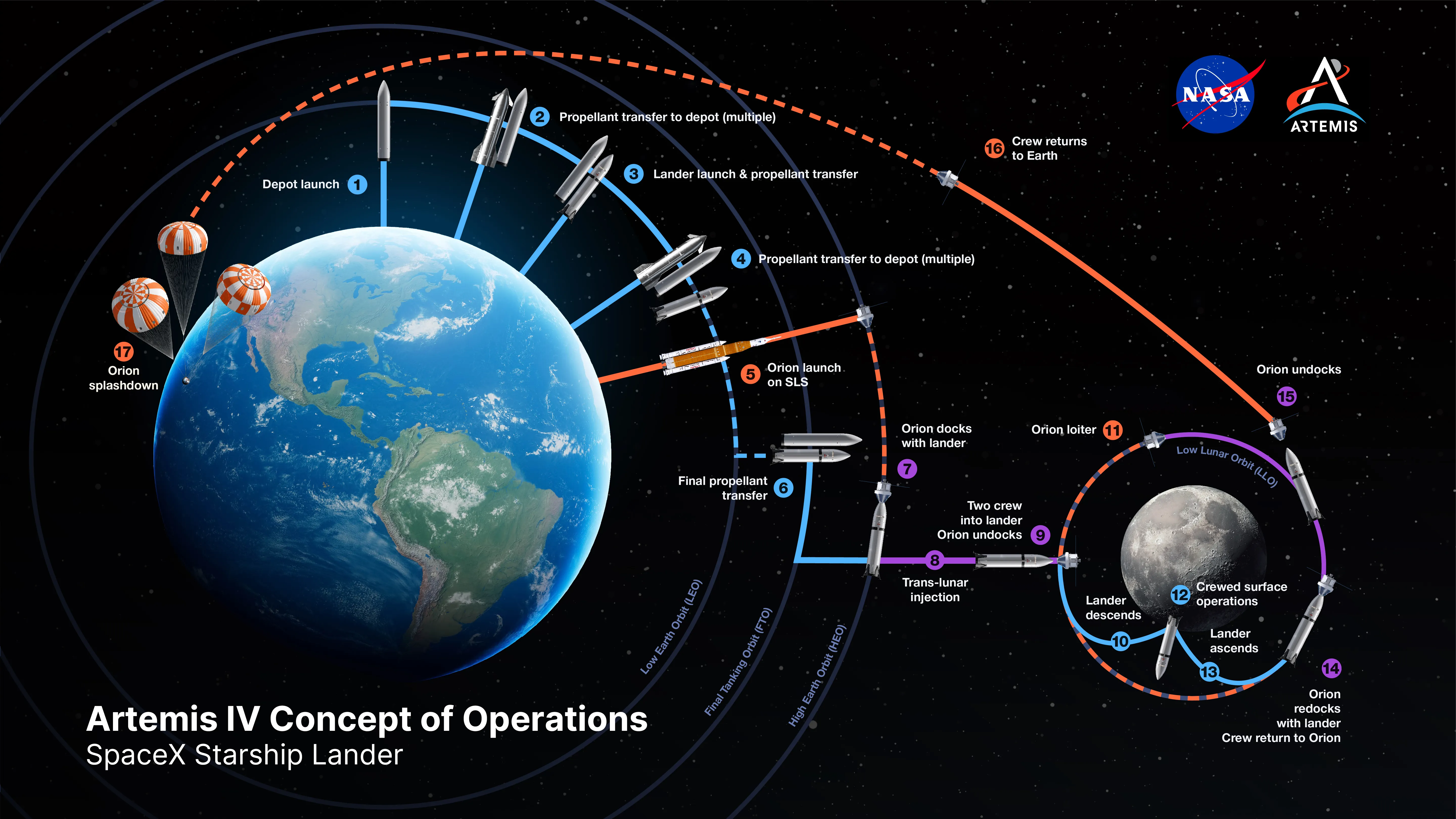
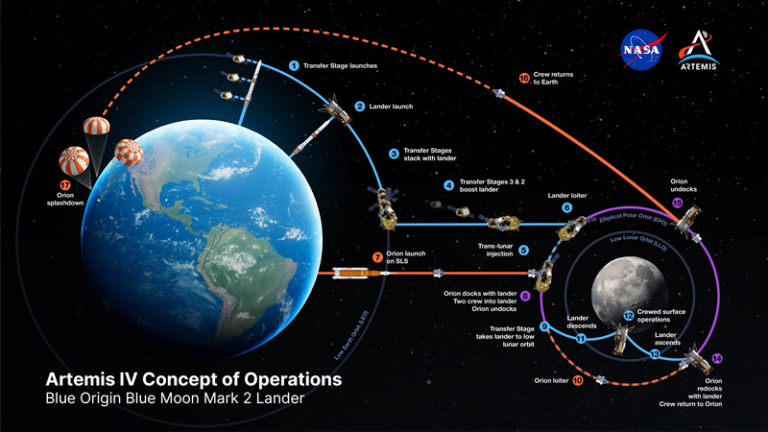
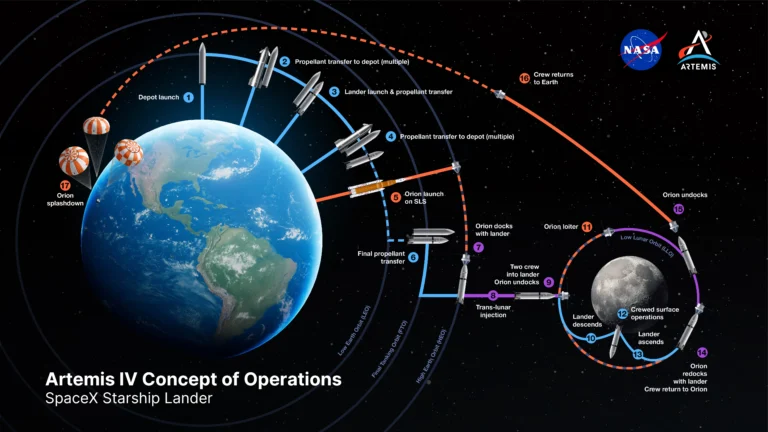
Lunar base as envisioned by SpaceX. Source: https://www.spacex.com/humanspaceflight/moon
Jeremy Lichtman‘s Multi-AI Oracle forecasts 65%
OpenAI gives a base rate of 0.6 (60%)
The question difficulty is rated 7 (0 to 10)
Historical weighted factors include:
Funding and political support for lunar missions, 0.3
Technological readiness and testing of spacecraft, 0.4
Historical success rates of major space projects, 0.3
A Bayesian calculation could be performed as follows:
Using a weighted approach based on historical factors and current events: P(A) = 0.6 (based on Artemis timeline), P(B|A) = 0.8 (high likelihood with existing Artemis timelines), and P(B) assumes a 0.7 general probability of technological and political alignment, gives us P(A|B) = (P(B|A) * P(A)) / P(B) = (0.8 * 0.6) / 0.7 = 0.6857
Bayesian base rate: 0.6857 (68.57%)
Sufficient news to provide a good forecast? 0 (0 or 1)
News is relevant, topical and unbiased? 0 (0 or 1)
Question classification: scenario_based_forecast
Expected time (days) until question close: 675
The following were considered in order to produce this base rate:
The base rate was determined by considering the likelihood of NASA adhering to the Artemis program timeline. (Carolyn‘s note: The original Artemis timeline has been reset several times due to technical problems.) Historical projects often face delays, but with significant political and funding support, a 60% base likelihood was chosen, reflecting a moderate level of confidence.
Ideally, the news feed would contain the following sorts of information for a better forecast:
Access to the latest NASA updates, technological readiness assessments, budgetary reviews, and any international collaborations or conflicts would improve forecast quality. Direct contact with program officials or insiders could provide insights into potential timeline shifts.
Some potential divergent considerations that might affect the base rate:
Potential challenges include unforeseen technological setbacks, changes in political administration affecting funding, or geopolitical tensions. Any significant disruption in timelines or budgets could affect the likelihood negatively.
The following chain of events are necessary for the question to resolve positively:
- Successful lunar landing of crewed mission Moderate to High
- Successful launch of a crewed Artemis mission High
- Safe return of astronauts from the Moon Moderate to High
Querying Claude (AI predicts: 0.18 – confidence: 4)
Querying Mistral (AI predicts: 0.65 – confidence: 7)
Querying OpenAI (AI predicts: 0.75 – confidence: 7)
Explanations of the below statistical measures here —>
Question Type: Binary
Median from LLMs: 0.65
Base rate: 0.6 (from OpenAI)
SD: 0.25
MAPD: 0.38
Confidence: 7
Conf Mode: Low
Mellers: 0.71
Reverse Mellers: 0.6
Theory of Mind: 0.45 (What did the LLMs think other LLMs predicted?)
Beta Distribution: 0.42
Close Type: C (B = cautious # closer to 50%; A/C = closer to extremes)
LLM responses: 3
Model value: 65%
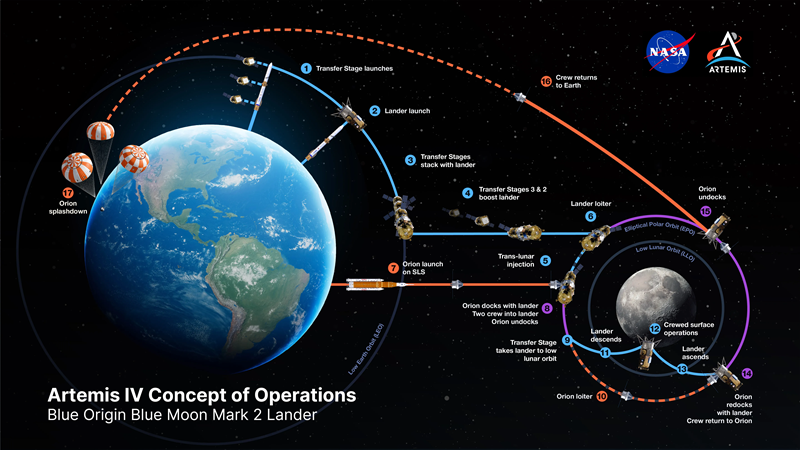
The reasoning on the Artemis program’s timeline and feasibility highlights a mixture of optimism and caution, with a common expectation of potential delays. While NASA’s Artemis program, aiming for a crewed lunar landing, is backed by stable political and financial support, historical trends in large-scale aerospace projects reveal a propensity for delays. Major concerns include technical and regulatory challenges faced by the Human Landing System (HLS), particularly the SpaceX Starship, funding risks, unforeseen geopolitical or technical setbacks, and NASA’s stringent safety protocols that could necessitate additional tests and redesigns. Although there are external factors like increased competition from China and other commercial partnerships that could accelerate progress, the probability calculations reflecting mission readiness by the end of 2027 convey a balanced skepticism. There’s recognition that a December 2027 deadline for a crewed landing is ambitious given the remaining 22 months filled with required milestones such as successful system tests and potential mission cycle delays.
Runtime: 68 seconds.
About The Author