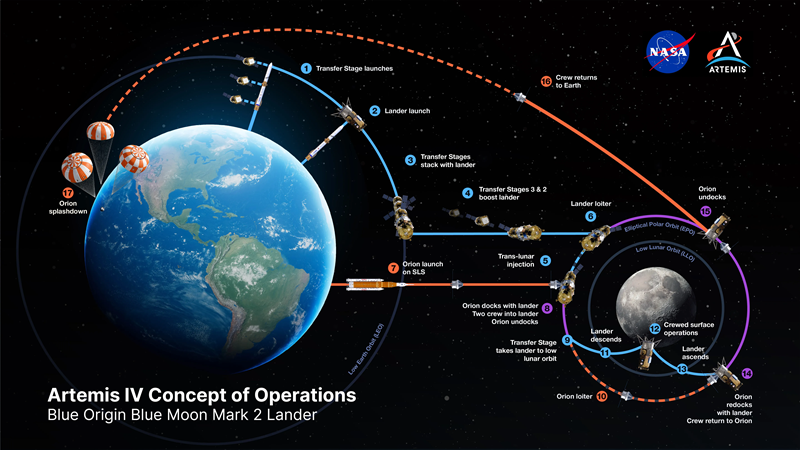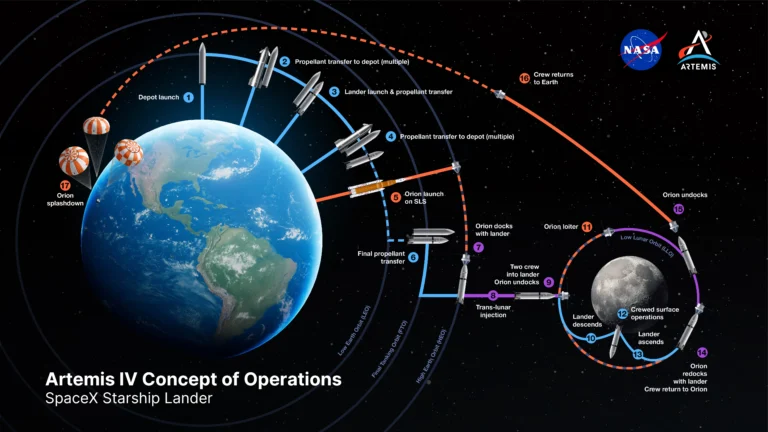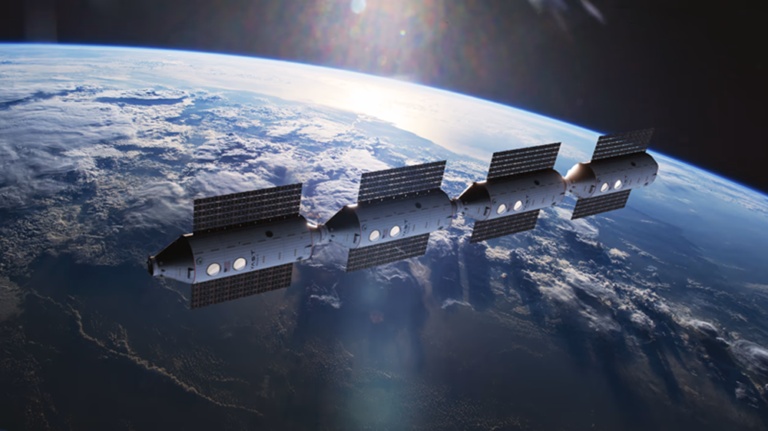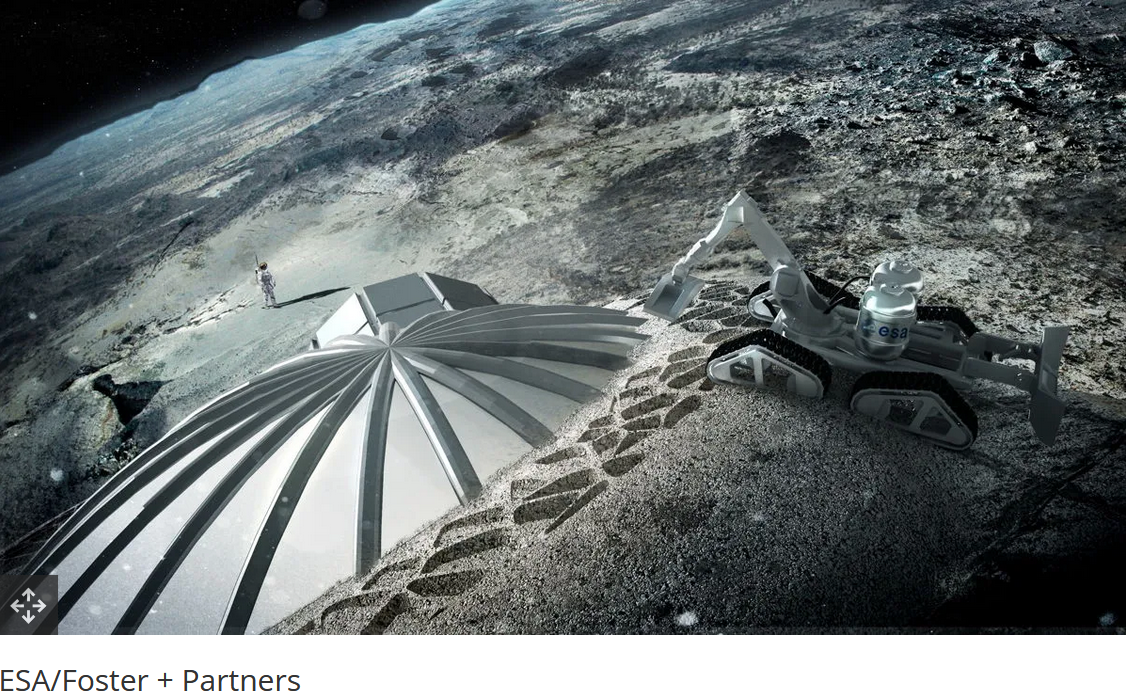
Lunar base as envisioned at Space.com. Source: https://www.space.com/21583-moon-base-lunar-colony-photos.html
Jeremy Lichtman‘s Multi-AI Oracle forecasts 35%
Obtaining outside data.
Checking internet sources, using keywords: humans return Moon 2027
News from various sources:
OpenAI gives a base rate of 0.2 (20%)
The question difficulty is rated 7 (0 to 10)
A Bayesian calculation could be performed as follows:
To calculate Bayesian probability, we combine historical success rates (0.3), current commitment levels (0.4), and technological advancements (0.3). Assuming independent factors, the Bayesian probability is calculated as: P(A) = 0.3 * 0.4 * 0.3 = 0.036, then scaled for interdependence. (Carolyn‘s note: I get 0.027. This is typical of today’s top Generative AIs. Grade school math often eludes them. Yet some “experts” say that superintelligent AI is almost here. I’m not hunting for a bunker yet.)
Bayesian base rate: 0.036 (3.6%)
Sufficient news to provide a good forecast? 0 (0 or 1)
News is relevant, topical and unbiased? 0 (0 or 1)
Question classification: scenario_based_forecast
Expected time (days) until question close: 685
The following were considered in order to produce this base rate:
The base rate of 0.2 is derived from historical lunar mission success rates, current space program commitments, and recent technological developments in space travel, assessed over the past decade. The low number indicates the many challenges and thus, only a modest probability.
Ideally, the news feed would contain the following sorts of information for a better forecast:
Additional information from updated space agency mission schedules, funding confirmations, and technological readiness assessments would enhance the accuracy of this forecast.
Some potential divergent considerations that might affect the base rate:
Unforeseen budget cuts, technological setbacks, or geopolitical tensions could reduce the likelihood of a successful mission by 2027, while breakthroughs in space technology, increased funding or international cooperation could increase the likelihood.
The following chain of events are necessary for the question to resolve positively:
Space agencies secure sufficient funding for lunar missions. About Even – Technology readiness for lunar landing and surface operations. Probable – Successful tests of lunar landers and associated technology. Few Shreds Of Evidence – Completion of all preparatory milestones by scheduled timelines. About Even
Querying Claude (AI predicts: 0.18 – confidence: 5)
Querying Mistral (AI predicts: 0.65 – confidence: 6)
Querying OpenAI (AI predicts: 0.35 – confidence: 5)
Question Type: Binary
Median from LLMs: 0.35
Base rate: 0.2 (from OpenAI)
SD: 0.19
MAPD: 0.31333333333333
Confidence: 5
Conf Mode: Low
Mellers: 0.29
Reverse Mellers: 0.4
Theory of Mind: 0.25 (What did the LLMs think other LLMs predicted?)
Beta Distribution: 0.17
Close Type: A (B = cautious # closer to 50%; A/C = closer to extremes)
LLM responses: 3
Explanations of the below statistical measures here —>
Model value: 35%
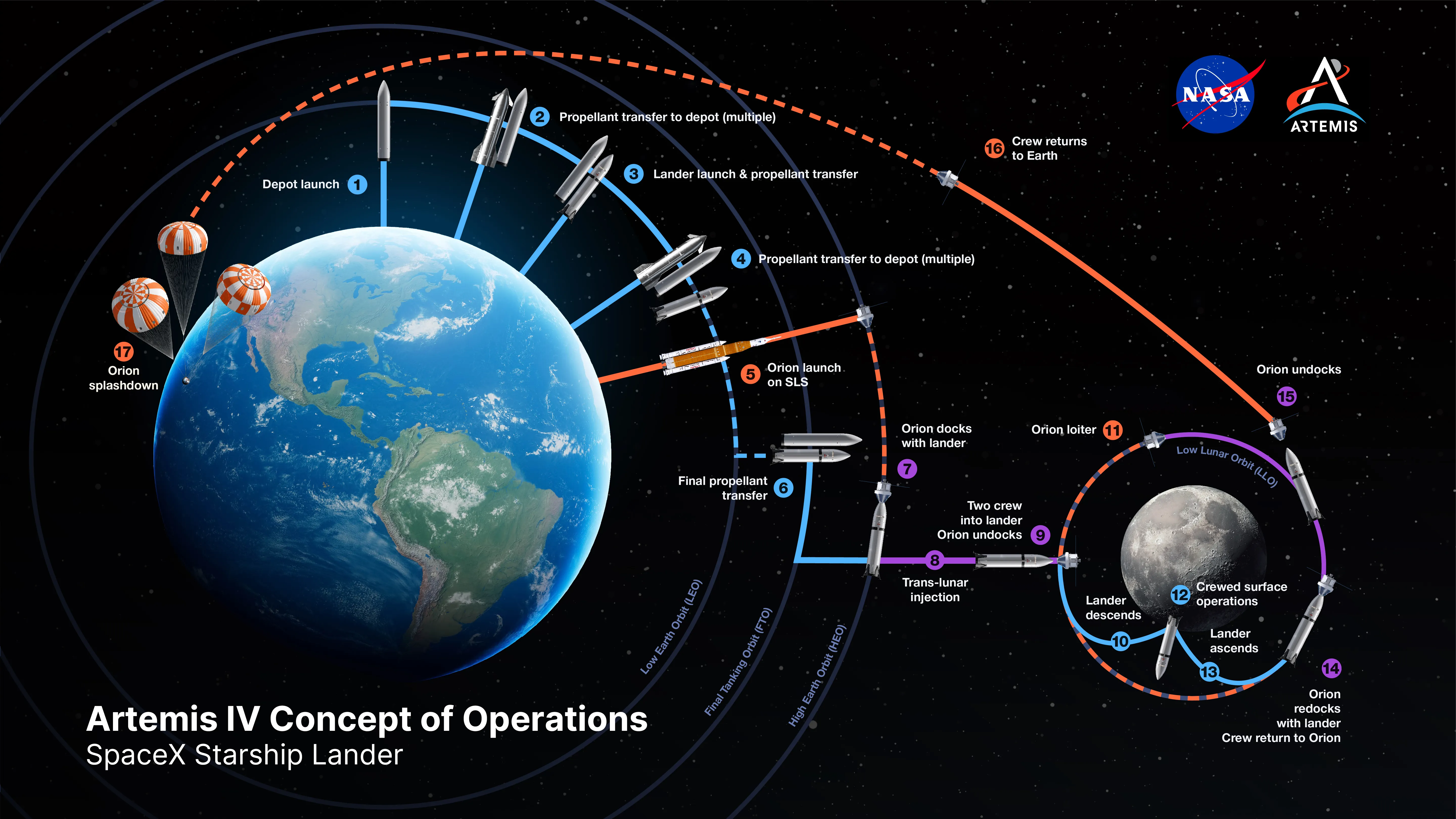
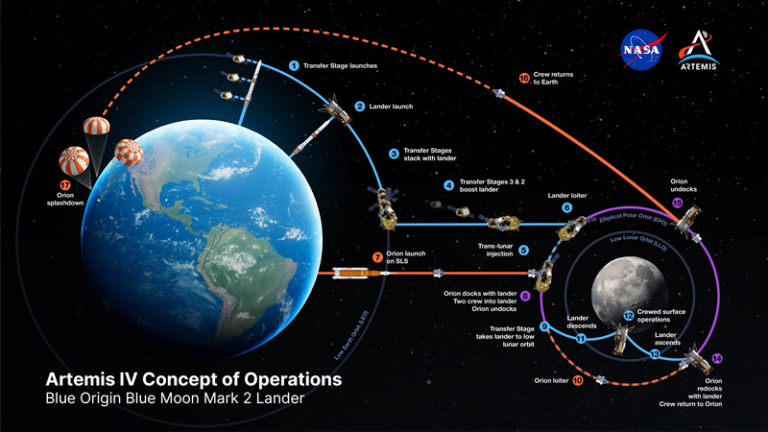
The reasoning across the AI-generated lists converges on a cautious prediction of human return to the Moon by the end of 2027, primarily through NASA’s Artemis program. Key factors influencing this include historical trends of delays in complex space missions, the current state of technical readiness, and the condensed timeline with significant milestones still pending, like Artemis II and III. Technical challenges with critical components like the SLS rocket, Orion spacecraft, and SpaceX’s Starship lander, alongside schedule risks, are emphasized. While there is recognition of stable funding and international cooperation boosting the feasibility, significant risks remain from potential budget constraints, geopolitical issues, and technical failures. However, there’s a possibility of program acceleration if unforeseen progress in technology or international political pressure spurs faster timelines. Despite the base pessimistic prediction, some lists note that historical pessimism could underestimate modern capabilities or private sector involvement.
Runtime: 85 seconds.
About The Author