Photo by Julia Taubitz on Unsplash. https://unsplash.com/
DeepSeek research response:
Iran’s Chief Negotiator: ‘Ball Is in U.S. Court… Must Accept Our Demands to Open Strait of Hormuz’
Source: SBS News — 12 November 2026
URL: https://news.sbs.co.kr/english/article.do?news_id=N1008842007
Summary: Speaker and chief negotiator Mohammad Bagher Ghalibaf said the US had not given an official response to Iran’s proposal and that acceptance of Tehran’s seven-point demands is required to reopen Hormuz and resume talks. He described a two-day plan in which the US would lift the port blockade, grant a crude-sales sanctions waiver, and cancel new sanctions on day one, with Iran reopening the strait on day two. He also said Iran and Oman had agreed on managing shipping routes and the Traffic Separation Scheme, while warning against a “neither war nor peace” situation.
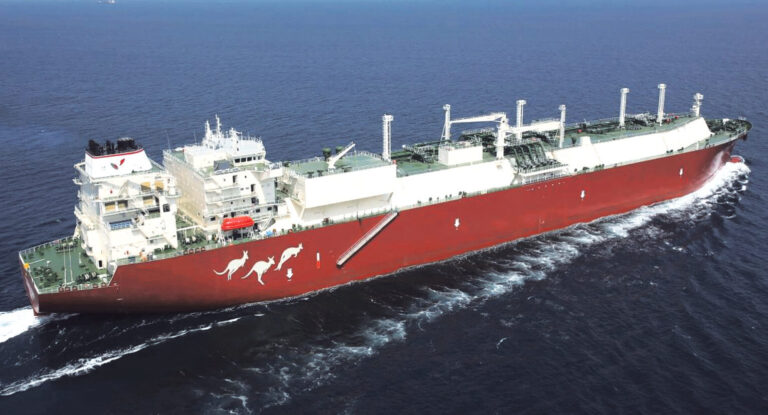
Qatar LNG Loadings Pick Up to Around Half of Pre-War Levels
Source: gCaptain / Bloomberg — 10 November 2026
URL: https://gcaptain.com/qatar-lng-loadings-pick-up-to-around-half-of-pre-war-levels/
Summary: Qatar’s Ras Laffan LNG departures rose to 13–15 on a 10-day moving average in early November, up from about 11 in October but still roughly half the pre-war pace. Eleven laden Qatari LNG tankers exited Hormuz in the 10 days through 8 November, with the crossing rate broadly steady over the prior month. The article notes that most ships loading at Ras Laffan or transiting Hormuz do not transmit their locations, and that vessels in the waterway “continue to be targeted in attacks.”
Qatar Loses First LNG Customer Since War Disrupted Flows
Source: gCaptain / Bloomberg — 11 November 2026
URL: https://gcaptain.com/qatar-loses-first-lng-customer-since-war-disrupted-flows/
Summary: Poland’s Orlen terminated one of its long-term QatarEnergy LNG contracts, the first customer annulment since the war, after Qatar declared force majeure. Missile strikes in March badly damaged two of Qatar’s 14 LNG production units, and Iranian attacks on vessels continue to slow Hormuz shipping; gCaptain says gas flows were cut to a third of pre-war levels last month. Qatar’s latest force majeure notice affects shipments through the end of 2026.
Pakistan LNG Cargo Attacked Near Hormuz Had Iranian Approval
Source: gCaptain / Bloomberg — 1 November 2026
URL: https://gcaptain.com/pakistan-lng-cargo-attacked-near-hormuz-had-iranian-approval/
Summary: The LNG carrier Al Mayeda was attacked near Hormuz on 30 October while carrying Qatari LNG, despite having received Iranian approval for passage, and it turned back into the Persian Gulf. The article says LNG flows through Hormuz held steady in October at about 30% of pre-war levels. Qatar has been sending cargoes consistently since September, including on older vessels that help reduce additional war-risk insurance costs.
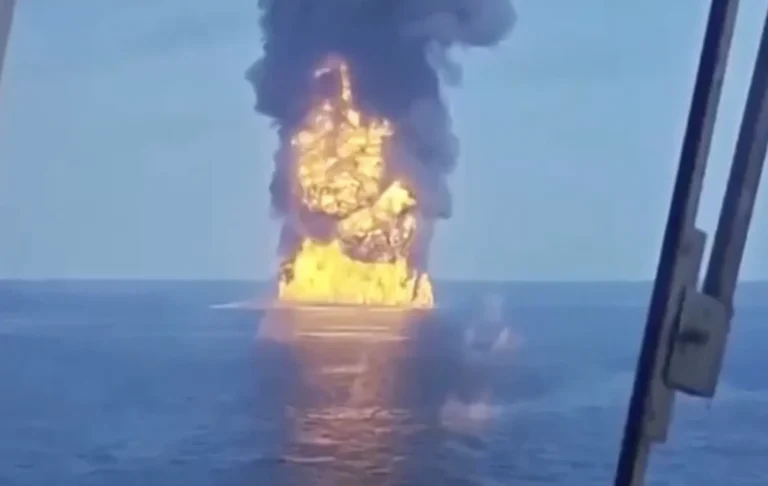
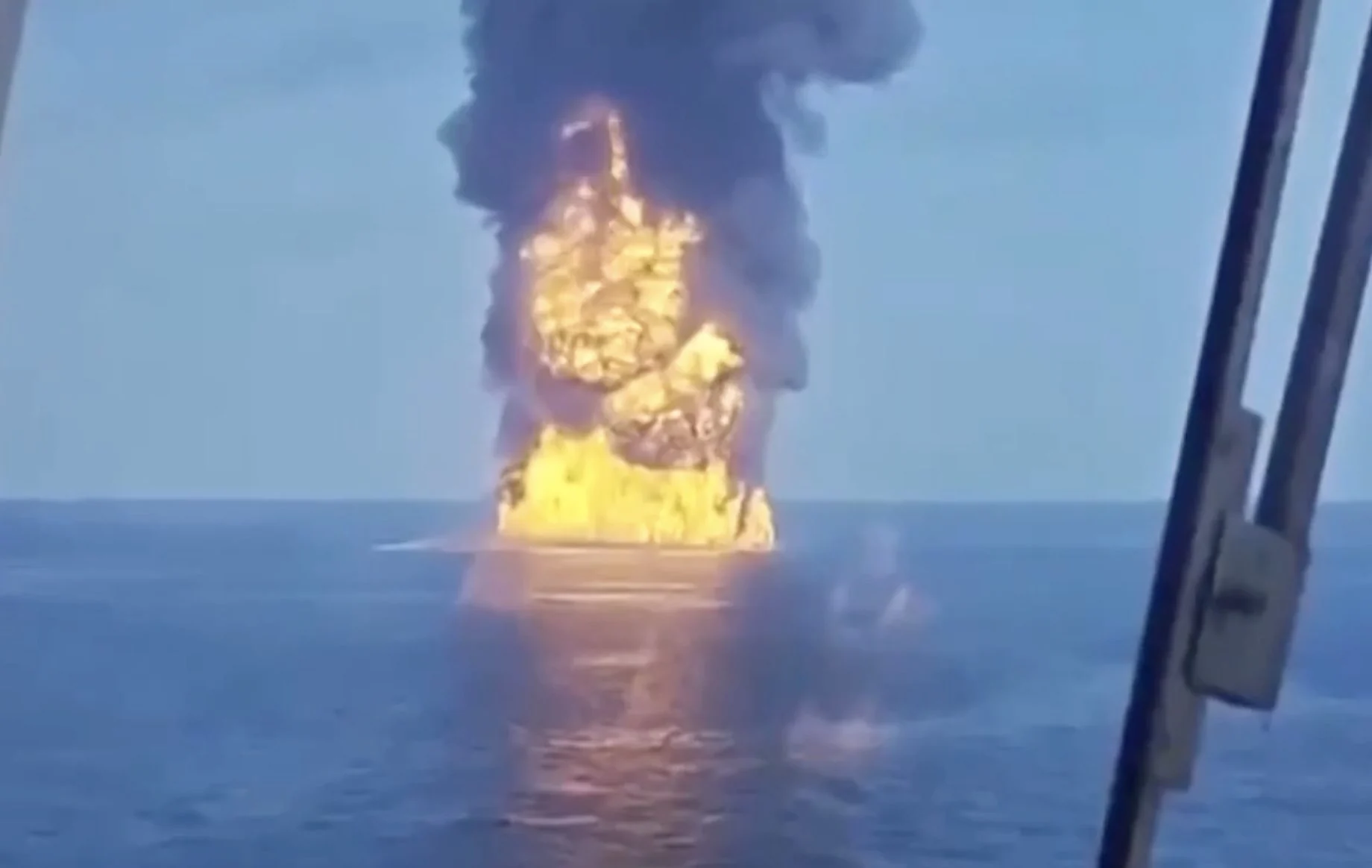
Tankers Continue to Burn in the Middle East Despite Hopes for De-escalation
Source: gCaptain — 11 November 2026
URL: https://gcaptain.com/category/shipping/
Summary: gCaptain’s 11 November shipping page featured this report on new evidence of strikes on tankers in the Strait of Hormuz and on energy infrastructure despite hopes for de-escalation. The same page carried a separate report that an ADNOC Logistics & Services vessel was damaged in a Gulf attack and that UKMTO reported a fresh tanker strike near Hormuz. It also listed the IMO chief’s call for stricter enforcement of SOLAS rules in Hormuz, underscoring continued safety concerns.
Hormuz LNG traffic hits highest in October since Iran war began
Source: ET EnergyWorld — 9 November 2026
URL: https://energy.economictimes.indiatimes.com/news/oil-and-gas/hormuz-lng-traffic-hits-highest-in-october-since-iran-war-began/135700259
Summary: S&P Global Energy data show 31 laden LNG tankers exited Hormuz in October, up from 23 in September and the highest monthly count since the war began. Of those, 23 loaded at Ras Laffan in Qatar and eight at Das Island in the UAE; S&P’s Eric Yep said UAE transits were back to pre-war levels while Qatar was at just over 30% of pre-war Hormuz transits. Kpler separately counted 42 LNG cargoes loaded in October, up from 27 in September, with Ras Laffan loadings at 35 cargoes and more than 2.7 million tonnes.
Iran says 2-day plan to reopen Hormuz Strait still on table
Source: Xinhua / GMW — 10 November 2026
URL: https://en.gmw.cn/2026-11/10/content_39094644.htm
Summary: Iran’s Foreign Ministry spokesman said the two-day plan to reopen Hormuz remains on the table and that security could be restored within two days if Washington meets Tehran’s demands. Iran had earlier proposed a seven-day timeline and shortened it; its conditions include ending hostilities on all fronts, unfreezing Iranian assets, lifting oil sanctions, and ending the US blockade of Iranian ports. No US acceptance was reported, and the article notes that negotiations under the June memorandum of understanding had failed to produce a final deal.
Strait of Hormuz news: November 8, 2026
Source: Straits.live — 8 November 2026
URL: https://straits.live/briefs/2026-11-08
Summary: IMF PortWatch recorded just one vessel transit on 1 November against a pre-crisis baseline of about 85 per day, and the brief says the strait remains effectively closed to commercial traffic. As of 14:30 UTC, 97 AIS-visible vessels were holding position away from berth in the Strait of Hormuz and Gulf watch box. Iranian state media claimed mines set tankers on fire, but no maritime authority confirmed the claims; Brent settled at $98.32.
A trader just placed a $14K bet on Strait of Hormuz traffic returning to normal by December 31
Source: Quiver Quantitative — 10 November 2026
URL: https://www.quiverquant.com/news/A+trader+just+placed+a+%2414K+bet+on+Strait+of+Hormuz+traffic+returning+to+normal+by+December+31
Summary: Polymarket odds for a separate “traffic returns to normal” contract were about 8%, down from 16% a month earlier; that contract requires IMF PortWatch’s 7-day average transit calls to reach 60 by 31 December. October PortWatch traffic averaged about 3.5 transits/day versus 85.5/day in 2025, and the busiest month since the war began was June at 12.9/day. Recent large trades leaned No by about $15,692.
Note: this is a different contract from the gCaptain resolution criterion and is useful mainly as market sentiment.
What the latest data show
| Indicator | Latest reading | Pre-war comparison | Date / source |
|---|---|---|---|
| Laden LNG tankers exiting Hormuz, October | 31 | Roughly 30–35% of pre-war monthly exits | 9 Nov — S&P Global via ET EnergyWorld |
| Qatar LNG loadings, early November | 13–15 per 10 days | ~50% of pre-war pace | 10 Nov — gCaptain |
| Laden Qatari LNG exits, 10 days to 8 Nov | 11 | ~1.1/day vs roughly 3 LNG tankers/day pre-war | 10 Nov — gCaptain |
| All-vessel PortWatch transits | 1 on 1 Nov; ~3.5/day in October | ~85/day baseline | 8–10 Nov — Straits.live / Quiver |
| Qatar gas flows | ~1/3 of pre-war last month | Force majeure through end-2026 | 11 Nov — gCaptain |
| UAE LNG transits | Back to pre-war levels at Das Island | 8 loadings in October, flat with September | 9 Nov — S&P Global via ET EnergyWorld |
Important caveat on the all-vessel counts: many ships are transiting with AIS off, so IMF PortWatch’s 1–4 transits/day almost certainly understates physical traffic. The better LNG-specific measures are the Kpler/Bloomberg/S&P tanker counts above.
it would not restore Qatari LNG volumes to pre-war levels. Resolution therefore likely hinges on whether gCaptain treats transit as physically and commercially unimpeded, not whether total volumes return to 100% of pre-war.
=== Forecast Result ===
=== Reasoning ===
Analysis of Current Conditions and Historical Context
The question asks whether Strait of Hormuz LNG traffic will become “de facto unimpeded” by the end of 2026, as reported by gCaptain. The resolution criteria clarify that “de facto unimpeded” means maritime LNG traffic is no longer halted or severely restricted.
With today’s date of November 12, 2026, there are approximately 49 days (7 weeks) remaining until the resolution deadline on December 31, 2026.
Current Operational and Maritime Environment
- Flows and Volumes: October saw 31 laden LNG tankers exit the Strait of Hormuz (up from 23 in September). While UAE exports have returned to near pre-war volumes, Qatar—which constitutes the vast majority of Persian Gulf LNG trade—remains severely impaired. Gas flows through Hormuz were estimated at only about one-third of pre-war levels in October, and Ras Laffan loadings in early November were tracking at roughly 50% of normal capacity.
- Attacks and Operational Risk: Rather than subsiding, maritime attacks peaked in October at 37 ships attacked—the highest monthly count of the war. Continued strikes occurred throughout early November, including attacks on tankers on November 8 and an ADNOC vessel damaged on November 10. Crucially, the LNG carrier Al Mayeda was struck on October 30 despite possessing prior Iranian clearance, demonstrating that LNG carriers do not currently enjoy reliable safe-passage immunity.
- Commercial and Operational Status: QatarEnergy’s force majeure remains formally in place through the end of 2026. Contract cancellations have begun (e.g., Orlen’s contract termination on November 11 due to non-delivery), and most transiting vessels are running with AIS transmitters deactivated in high-risk convoys or unauthorized routes. The Joint Maritime Information Center maintains a SEVERE threat rating.
- Diplomatic Status: Iran has publicly reiterated a “two-day plan” to restore security in the strait, but its preconditions demand comprehensive US concessions (lifting the blockade on Iranian ports, granting oil sanctions waivers, unfreezing assets, and ending hostilities). No US acceptance has occurred, and regional geopolitical analysts (e.g., FGE) characterize a comprehensive near-term deal as unlikely.
Key Assumptions and Failure Modes
Assumption 1: No rapid comprehensive US-Iran maritime security accord within the next 7 weeks.
- Failure Probability: ~11%.
- Impact if failed: Backchannel diplomacy (via Oman or Qatar) could suddenly yield a partial maritime de-escalation protocol. If implemented under Iran’s proposed rapid framework, transit conditions could normalize swiftly.
Assumption 2: Even with incremental flow increases, gCaptain will not report the waterway as “de facto unimpeded” while attacks and severe war-risk restrictions persist.
- Failure Probability: ~14%.
- Impact if failed: If attacks halt unilaterally or an informal escort/corridor program is established that permits unhindered passage for LNG tankers specifically, gCaptain could characterize LNG transit as no longer severely restricted even if overall vessel counts remain depressed.
Assumption 3: Physical constraints and force majeure prevent full operational resumption before year-end.
- Failure Probability: ~10%.
- Impact if failed: Damage to Qatari infrastructure (two damaged trains) represents about 17% of capacity, meaning ~83% could technically export if the strait were open; however, commercial caution and insurance considerations make a total return to normal prior to 2027 improbable without definitive peace.
Given the short remaining window, the ongoing attacks in early November, and the distance between current transit levels (~30–50% of normal) and “unimpeded” status, the probability of gCaptain declaring LNG traffic de facto unimpeded before year-end 2026 remains small.
Data sufficiency: Sufficient
Probability: 8%
End
About The Author