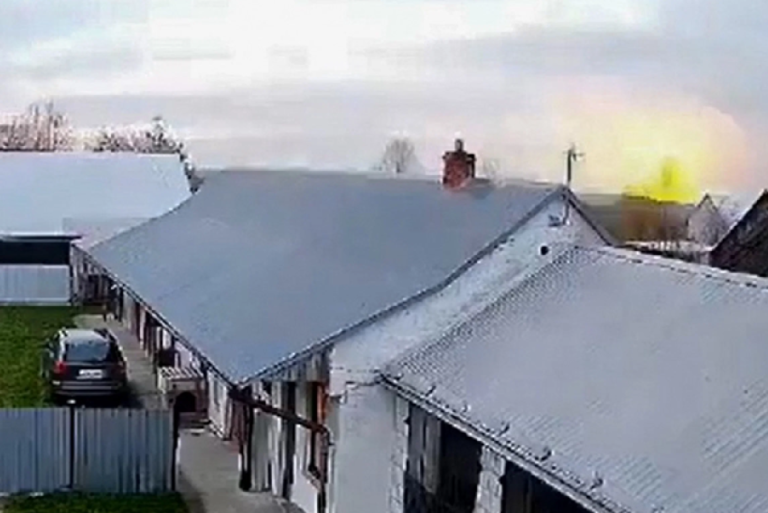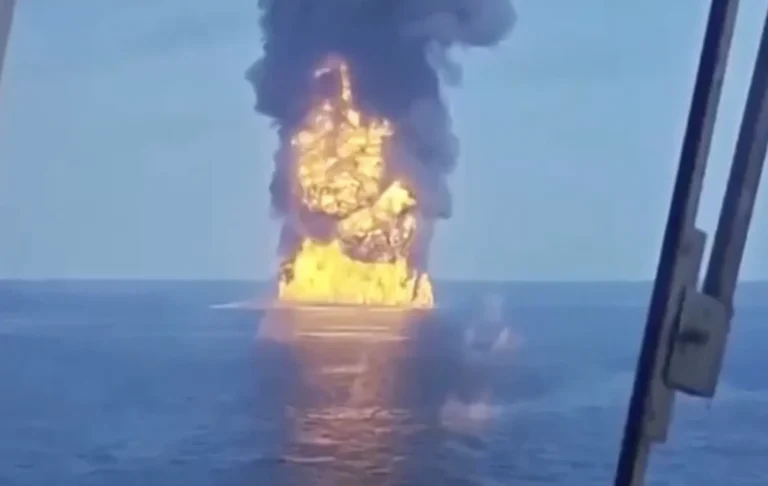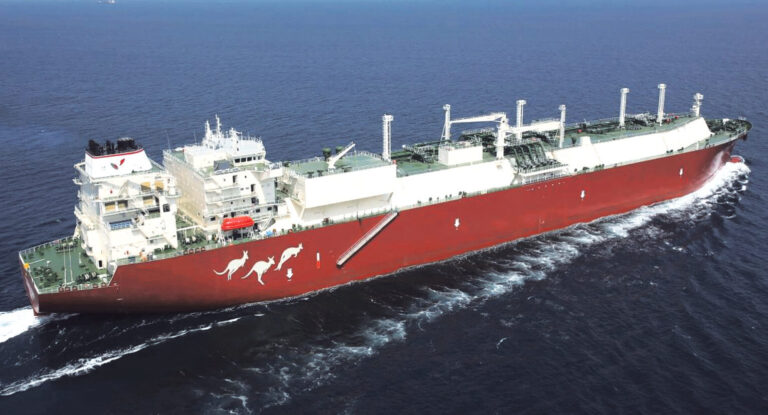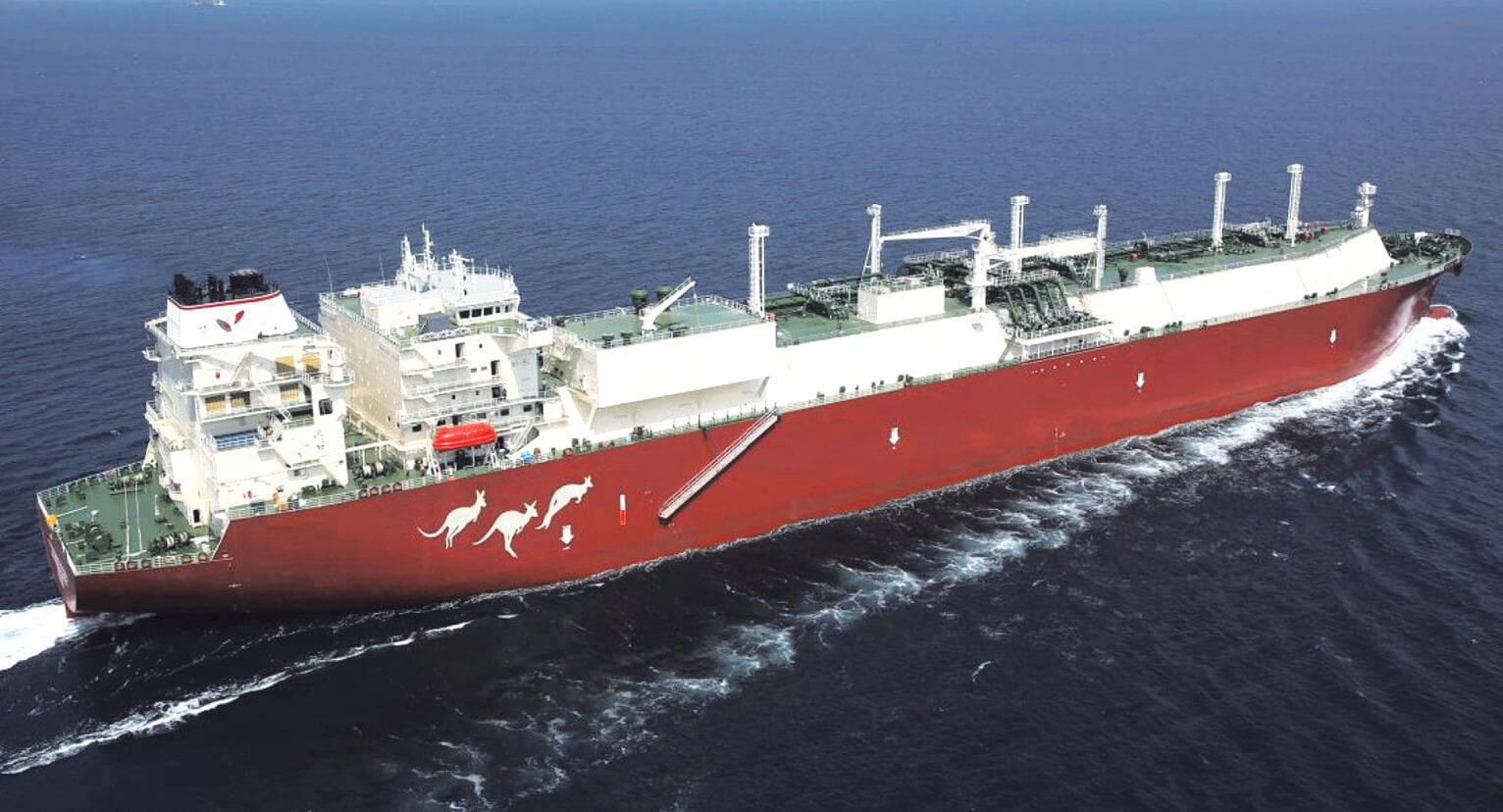
Photo: A highly-sophisticated gas carrier with very specialized LNG cargo containment system built for transportation of natural gases in bulk. As it is usual with LNG tankers, the cargo is transported at a temperature of -160°C. Source: https://www.wartsila.com/encyclopedia/term/lng-tanker
DeepSeek research response:
Research rundown — Strait of Hormuz LNG traffic
Status as of Nov. 19, 2026. The resolution source is gCaptain. I checked gCaptain’s live Hormuz index: it has not published a report declaring LNG traffic “de facto unimpeded.” Its latest LNG-specific coverage describes a fragile, partial recovery followed by renewed attacks and a sharp drop in outbound LNG carrier transits.
10 citations
- “Hormuz Archives – gCaptain” — gCaptain, updated Nov. 18, 2026.
Description: The latest gCaptain Hormuz news index. Its Nov. 18 leads are “Smaller Tankers Join Hormuz Shuttle Trade to Keep Oil Flowing” and an ADNOC L&S vessel attack that left one crew member missing and 11 injured. The index’s latest LNG-specific item, dated Nov. 13, is an LNG carrier mine explosion; there is no gCaptain report using the resolution language “de facto unimpeded.” - “LNG Exports Through Hormuz Appear to Slow After More Attacks” — Bloomberg, Nov. 18, 2026 (updated Nov. 19).
Description: Satellite and ship-tracking data indicate as few as two LNG carriers exited Hormuz in the week through Tuesday, Nov. 17, versus a weekly average of eight over the prior two months. That would be the thinnest traffic since early September, when Qatar began ramping exports. Kpler said Qatari loadings did not fall in the same week, so the exit decline may be temporary or an undercount caused by AIS shutdowns and radio interference. - “Iran Says Tanker Carrying LNG Hit Mine, Suffered Explosion in Hormuz” — gCaptain/Reuters, Nov. 13, 2026.
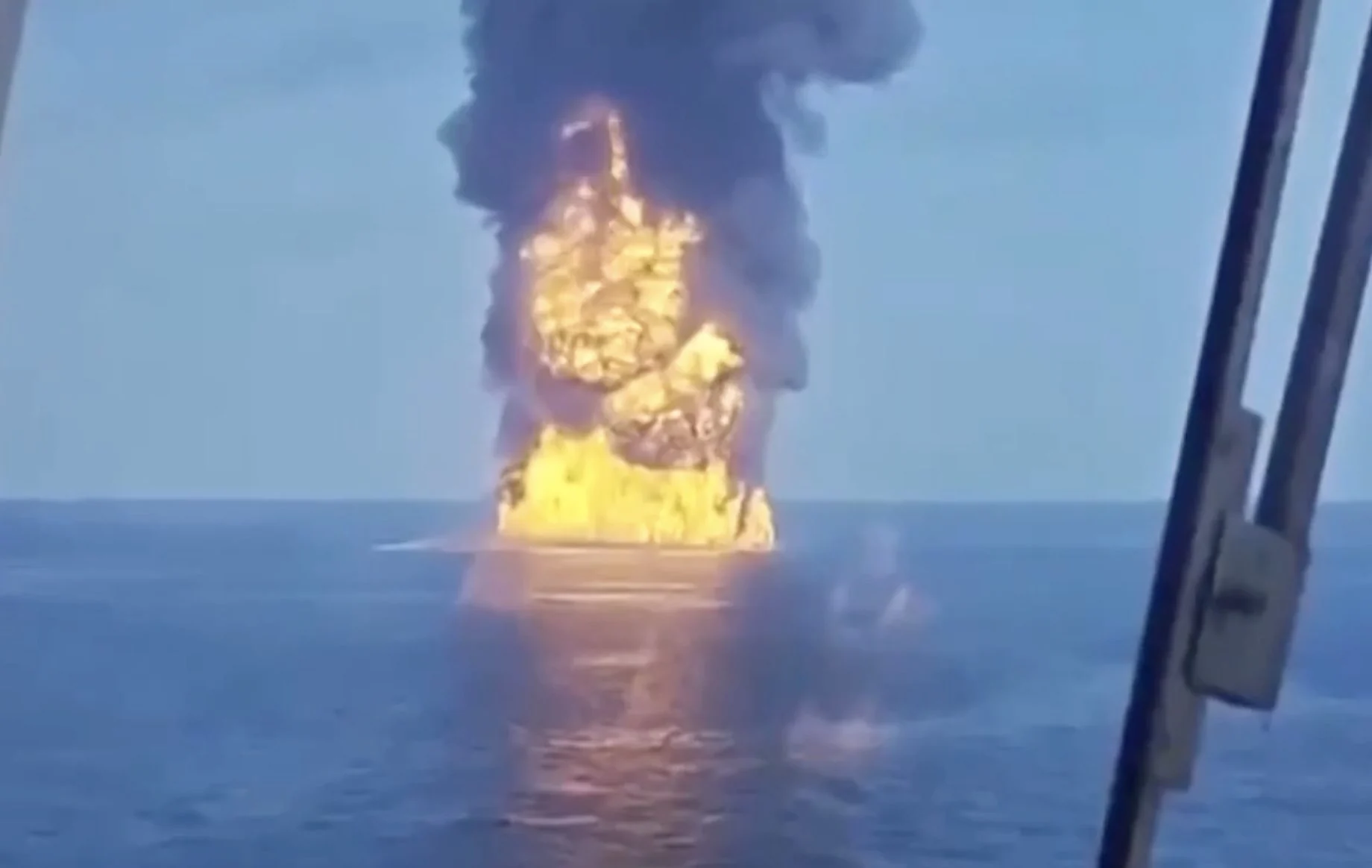
Description: Iran’s Revolutionary Guards claimed an LNG tanker struck a naval mine while using an “unauthorized and dangerous route”; the vessel was not identified. At least 10 ships were hit in the first 10 days of November, after 37 attacks in October, the highest monthly tally since the war began in February, according to Washington Institute data cited by gCaptain. The report explicitly says tankers remain under attack despite a rebound in traffic. - “Qatar LNG Loadings Pick Up to Around Half of Pre-War Levels” — gCaptain/Bloomberg, Nov. 10, 2026.
Description: Qatari LNG loadings ranged from 13–15 cargoes on a 10-day moving average in early November, up from about 11 in October but still roughly half the pre-war pace. Only 11 laden Qatari LNG tankers exited Hormuz in the 10 days through Nov. 8, and the rate of crossings had been broadly steady rather than normalizing. The article notes that most ships are not transmitting AIS, making loadings and exit counts hard to verify. - “Qatar Loses First LNG Customer Since War Disrupted Flows” — gCaptain/Bloomberg, Nov. 11, 2026.
Description: Poland’s Orlen terminated one long-term QatarEnergy LNG contract because Qatar could not deliver, the first such customer cancellation of the war. QatarEnergy’s force majeure notice was extended through the end of December 2026, and Iranian attacks on vessels had cut gas flows to about one-third of pre-war levels in October. Missile strikes in March damaged two of Qatar’s 14 liquefaction trains, removing about 17% of export capacity. - “LNG tanker traffic exiting Strait of Hormuz surges in October” — Baird Maritime, citing S&P Global Energy, Nov. 9, 2026.
Description: 31 laden LNG tankers exited Hormuz in October, up from 23 in September and the highest monthly count since the war began. Of those, 23 loaded at Qatar’s Ras Laffan and eight at Das Island in the UAE; S&P analyst Eric Yep said the UAE had returned to pre-war transit levels while Qatar was at just over 30% of pre-war transits. Kpler separately recorded 42 LNG cargoes loaded in October, including 35 at Ras Laffan totaling over 2.7 million tonnes, still far below Qatar’s pre-war February volume of nearly 6.2 million tonnes. - “IMO says Hormuz shipping lanes remain unsafe as mines may exist” — Xinhua, Nov. 3, 2026 (reporting IMO comments from Nov. 2).
Description: IMO Secretary-General Arsenio Dominguez said he could not confirm that mines had been cleared from the designated traffic-separation scheme and reiterated that the IMO does not recommend transit through Hormuz. The IMO traffic-separation scheme is not currently operating; vessels are using unapproved routes through Iranian waters or near Oman with US escorts. The IMO recorded about 30 attacks in October and said roughly 6,000 seafarers remained on 350–400 ships in the Gulf. - “LNG exports from the Gulf resume, with Qatar recovering a third of its flows” — Agenzia Nova, Nov. 17, 2026.
Description: October’s 31 laden transits were up about 35% from September, but Qatar had recovered only just over 30% of its usual Hormuz volumes while UAE flows were back to pre-war levels. In the first 10 days of November, 11 laden Qatari LNG tankers passed Hormuz, with Ras Laffan departures running at 13–15 cargoes on a 10-day average versus about 11 in October. The recovery remains partial and reversible: QatarEnergy’s force majeure to Edison extended to end-December, and the IMO still says the strait is not safe because of possible mines. - “The deal that could reopen Strait of Hormuz: What Trump and Iran are negotiating” — Times of India, Nov. 15, 2026.
Description: US and Iranian officials had tentatively agreed on a memorandum that would reopen Hormuz immediately without tolls, return shipping volumes to pre-war levels within 30 days, and pause fighting for 60 days. The deal still required approval from Iran’s Supreme Leader; Iran’s foreign ministry said no final decision had been reached, and Fars denied that a preliminary text was approved. The article notes the White House had declared a deal imminent 38 times in the previous two months only to see negotiations collapse. - “The ‘Hormuz Is Recovering’ Headlines Won’t Settle This Market” — AInvest, Nov. 9, 2026.
Description: Polymarket priced an 8.5% chance that IMF PortWatch’s 7-day average of Hormuz transit calls would reach 60 or more by Dec. 31, 2026. PortWatch showed only about 3.52 ships/day in October, versus 85–91/day in a normal pre-war year, though dark transits mean the official count may understate actual traffic. This is a different contract from the gCaptain “de facto unimpeded” LNG question, but it illustrates prediction-market skepticism about rapid normalization.
Current status and resolution read
The evidence as of Nov. 19 points to “not yet unimpeded.” LNG traffic is not zero — October was the best month since the war began, and Qatari loadings have recovered to roughly half of pre-war levels — but the route remains severely restricted by attacks, mines, insurance risk, AIS blackouts and force majeure. gCaptain’s latest LNG-specific story is an LNG tanker mine explosion, while its latest overall Hormuz stories feature another vessel attack. That is inconsistent with a finding that LNG traffic is “no longer halted or severely restricted.”
Key current metrics:
| Indicator | Latest value | Comparison | Source/date |
|---|---|---|---|
| LNG carrier exits from Hormuz | ~2 in week to Nov. 17 | 8/week average prior two months | Bloomberg, Nov. 18 |
| Laden LNG tankers exiting | 31 in October | 23 in September; highest since war began | S&P Global via Baird, Nov. 9 |
| Qatar Hormuz transits | >30% of pre-war | UAE back to pre-war | S&P Global via Baird, Nov. 9 |
| Qatari LNG loadings | 13–15/day, 10-day avg. | ~11 in October; ~half pre-war | gCaptain/Bloomberg, Nov. 10 |
| Qatari laden exits | 11 in 10 days to Nov. 8 | Broadly steady, not normal | gCaptain/Bloomberg, Nov. 10 |
| Attacks on ships | 37 in October; 10 in first 10 days of November | October highest monthly tally | gCaptain/Reuters, Nov. 13 |
| IMO safety status | Traffic-separation scheme not operating; transit not recommended | ~30 attacks in October | Xinhua/IMO, Nov. 3 |
| Qatar contract status | Force majeure through end-2026 | First customer cancellation (Orlen) | gCaptain/Bloomberg, Nov. 11 |
What to watch for resolution
- A gCaptain article explicitly using “de facto unimpeded” or equivalent language. That is the literal resolution trigger.
- Sustained laden LNG exits, not just loadings: weekly outbound LNG carrier counts returning toward pre-war levels for multiple consecutive weeks.
- IMO restoring or endorsing the traffic-separation scheme and confirming mine clearance.
- QatarEnergy lifting force majeure rather than extending it month by month.
- A signed US-Iran agreement that actually takes effect, rather than another “imminent” deal announcement.
The main data caution is that AIS shutdowns and satellite gaps make both the “two exits” and “11 exits” figures noisy. But every available series agrees on the same qualitative point: flows have improved from the worst of the war, yet they remain far below normal and vulnerable to renewed attack.
=== Forecast Result ===
=== Reasoning ===
The evidence as of Nov. 19, 2026 strongly points to continued severe disruption: renewed tanker attacks, reported mine strikes, IMO warnings that the designated lanes are unsafe, QatarEnergy force majeure through end-2026, and a sharp drop in recent LNG carrier exits. The latest gCaptain coverage does not describe LNG traffic as de facto unimpeded; it emphasizes attacks, mines, and restricted transit.
For a “Yes” resolution in the roughly six weeks remaining, there would need to be a rapid diplomatic and security breakthrough, followed by sufficiently restored commercial LNG traffic and a gCaptain report explicitly or effectively declaring the strait unimpeded. A tentative U.S.-Iran reopening memorandum provides a plausible path, but it is unsigned and disputed, and prior “imminent deal” reports have repeatedly failed. Even if a deal were signed soon, mine clearance, insurance normalization, force majeure withdrawal, and commercial confidence would likely take longer than the remaining window.
Key assumptions that could alter the forecast:
- A breakthrough deal is signed and implemented in the next few weeks: if this happens, the probability rises materially, but it remains only a modest-probability path.
- Commercial LNG flows normalize quickly after any deal: this is uncertain because security verification and commercial restart usually lag.
- gCaptain uses a looser interpretation of “de facto unimpeded”: some risk exists, but current reporting criteria appear to require more than isolated or escorted transits.
Weighing the short horizon, the currently negative state, the default of no change, and the recent deterioration against the possibility of a sudden deal, a low probability is appropriate.
Data sufficiency: Sufficient
Probability: 8%
End
About The Author