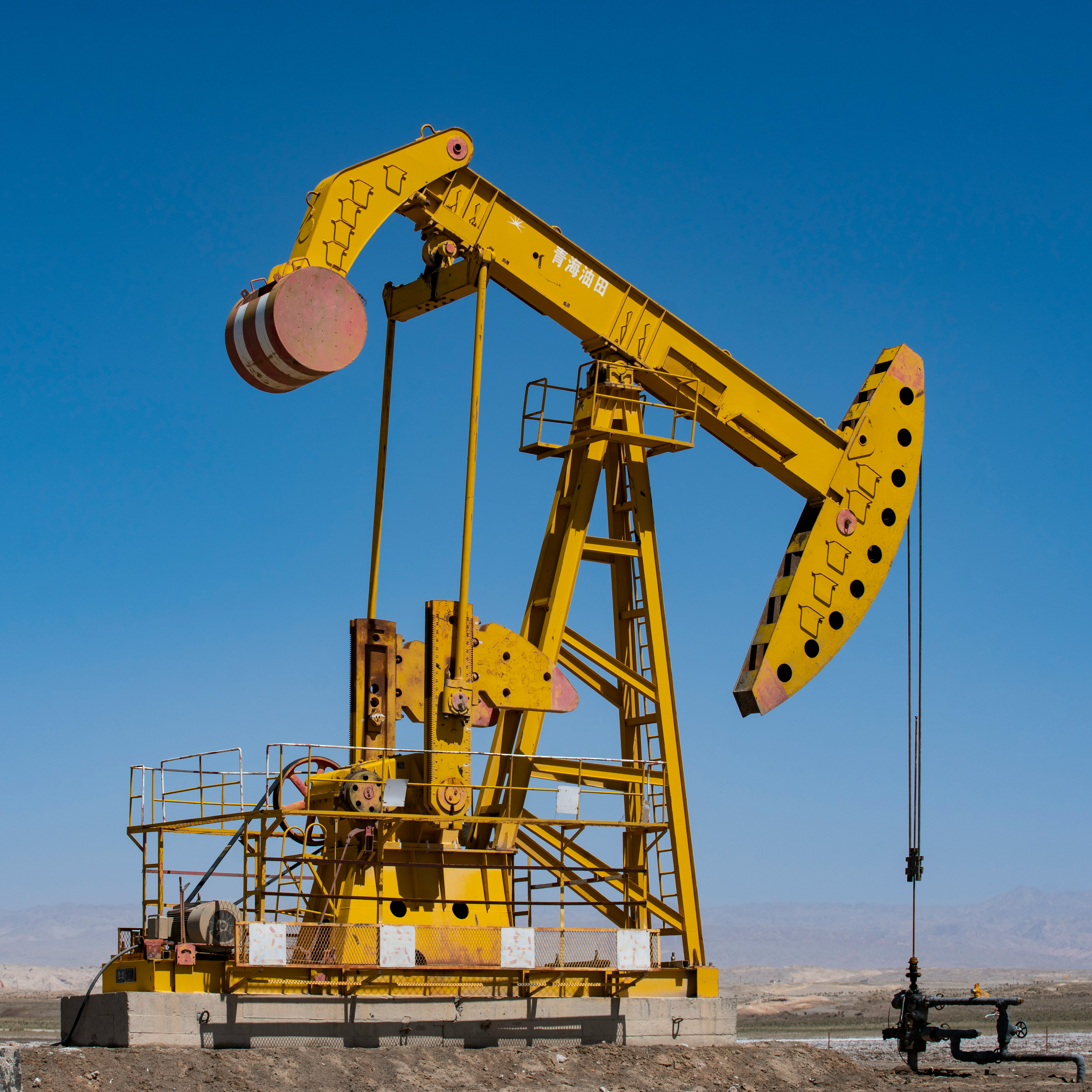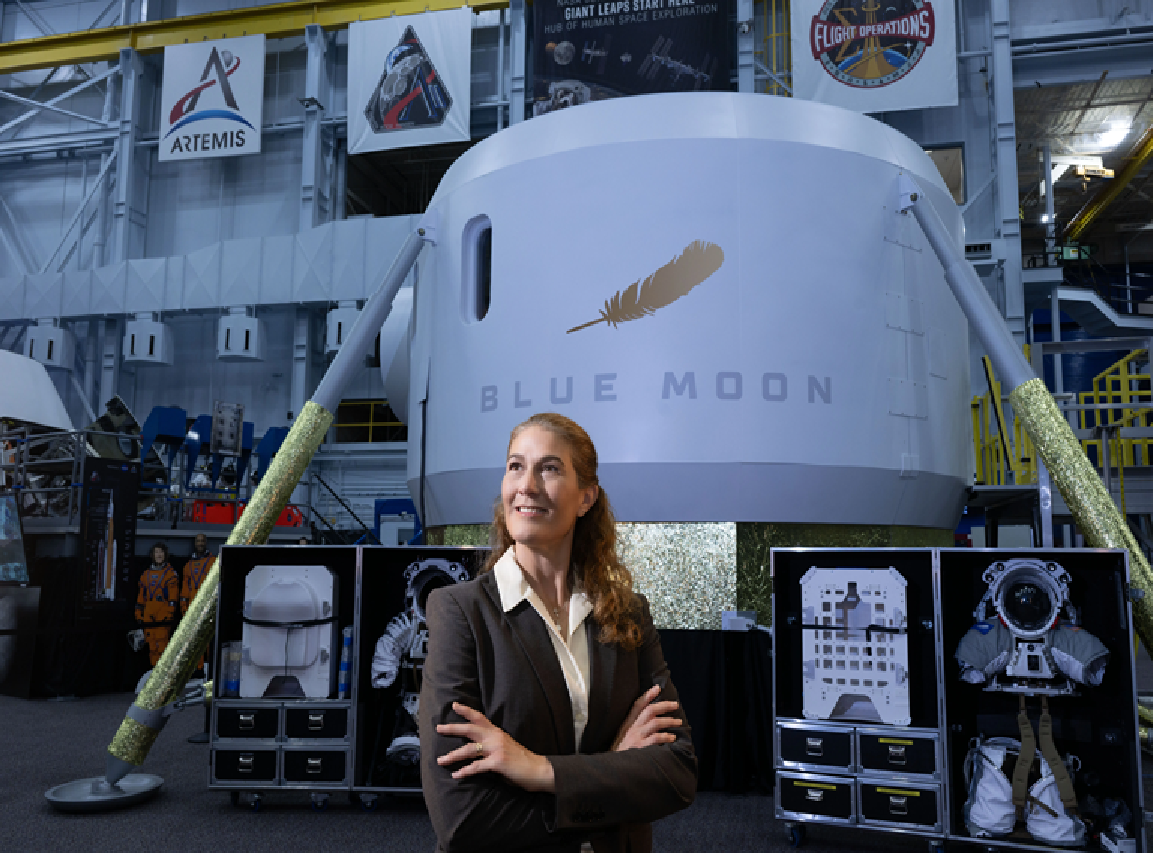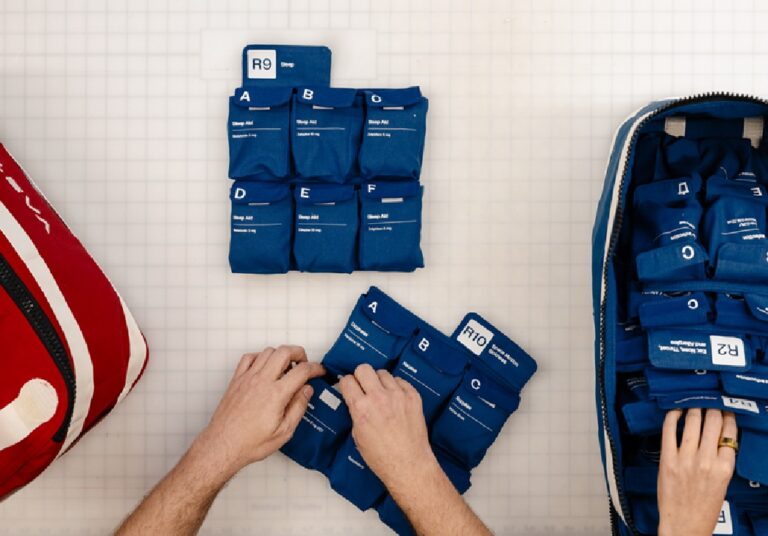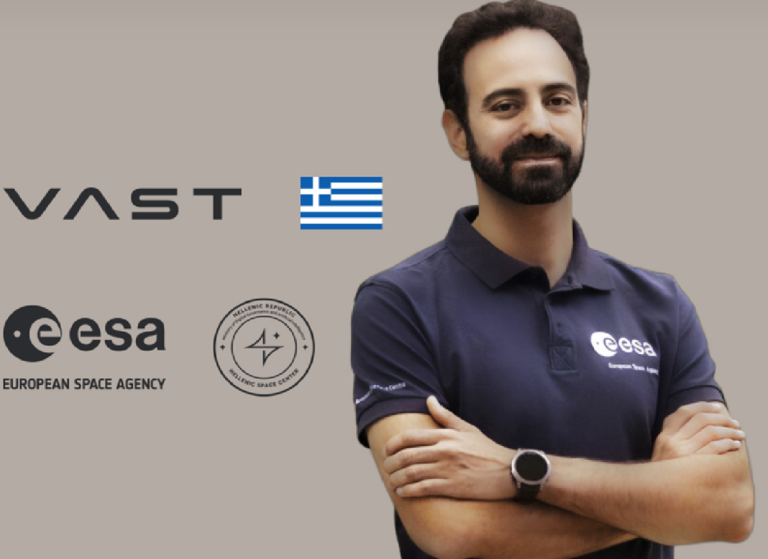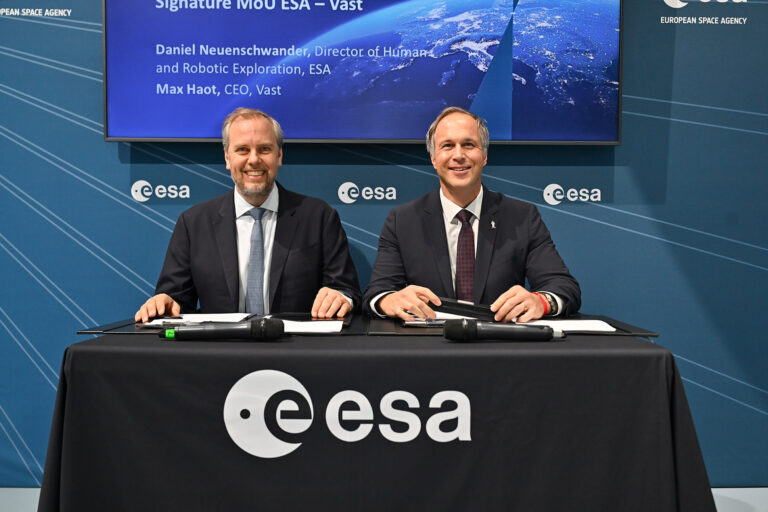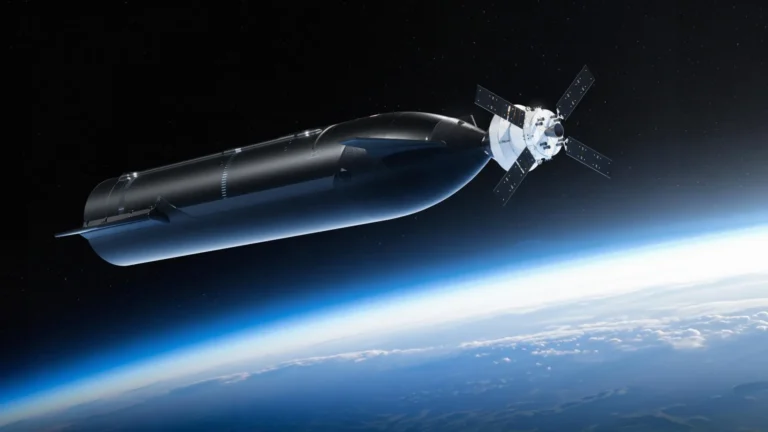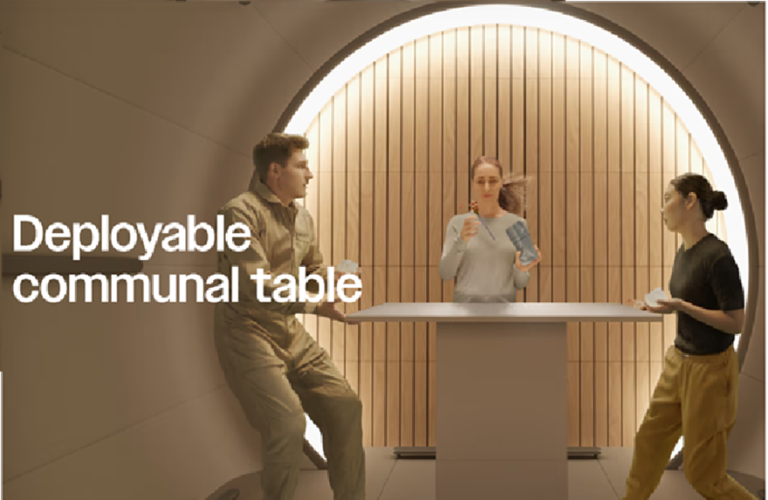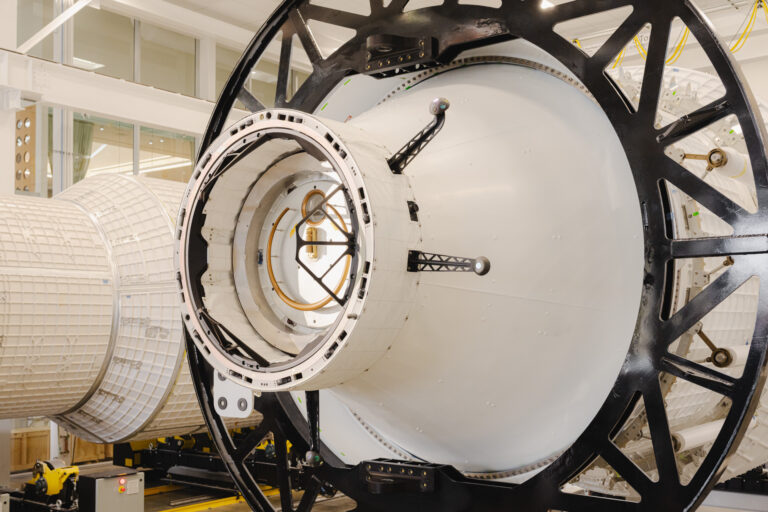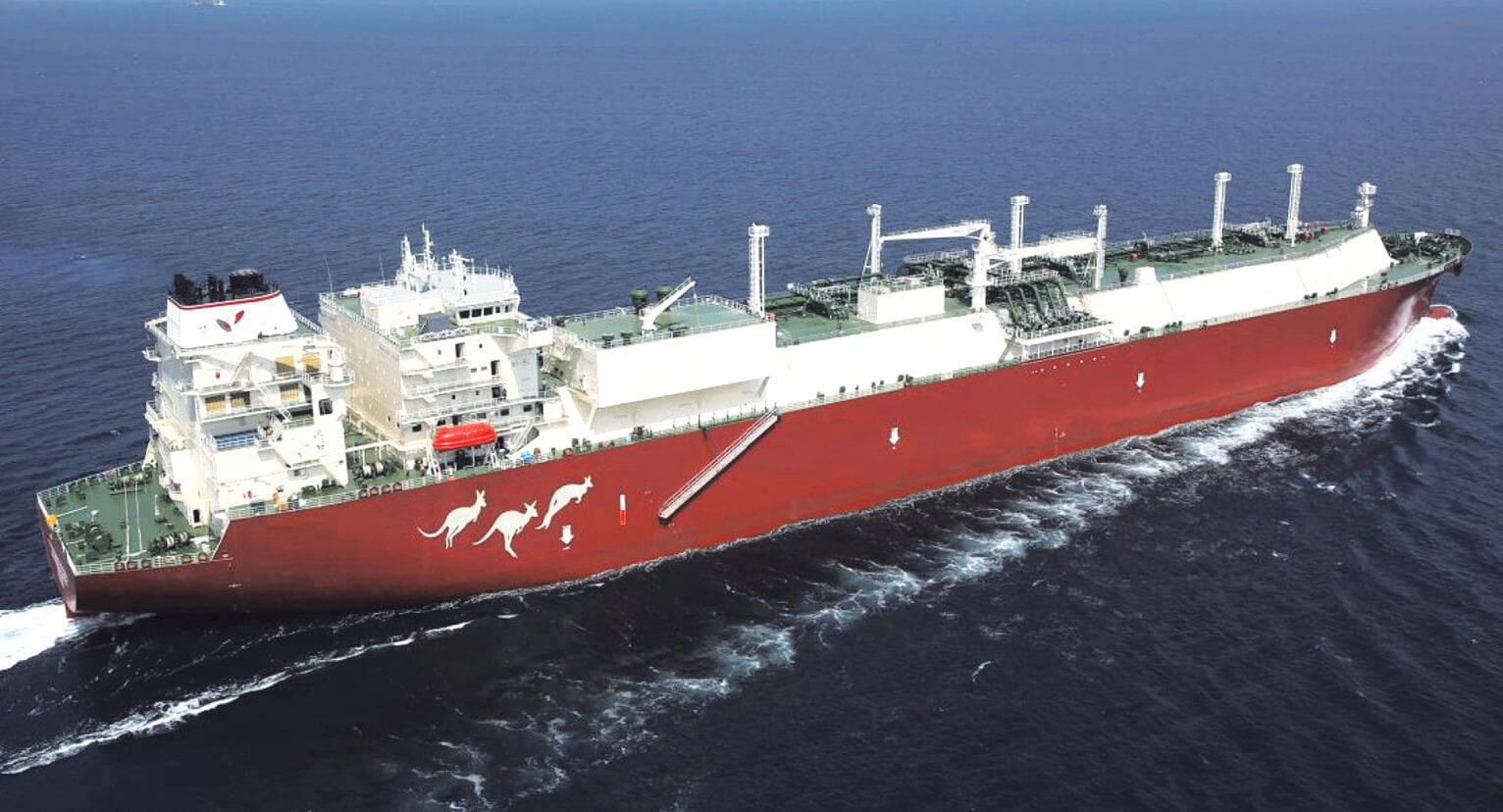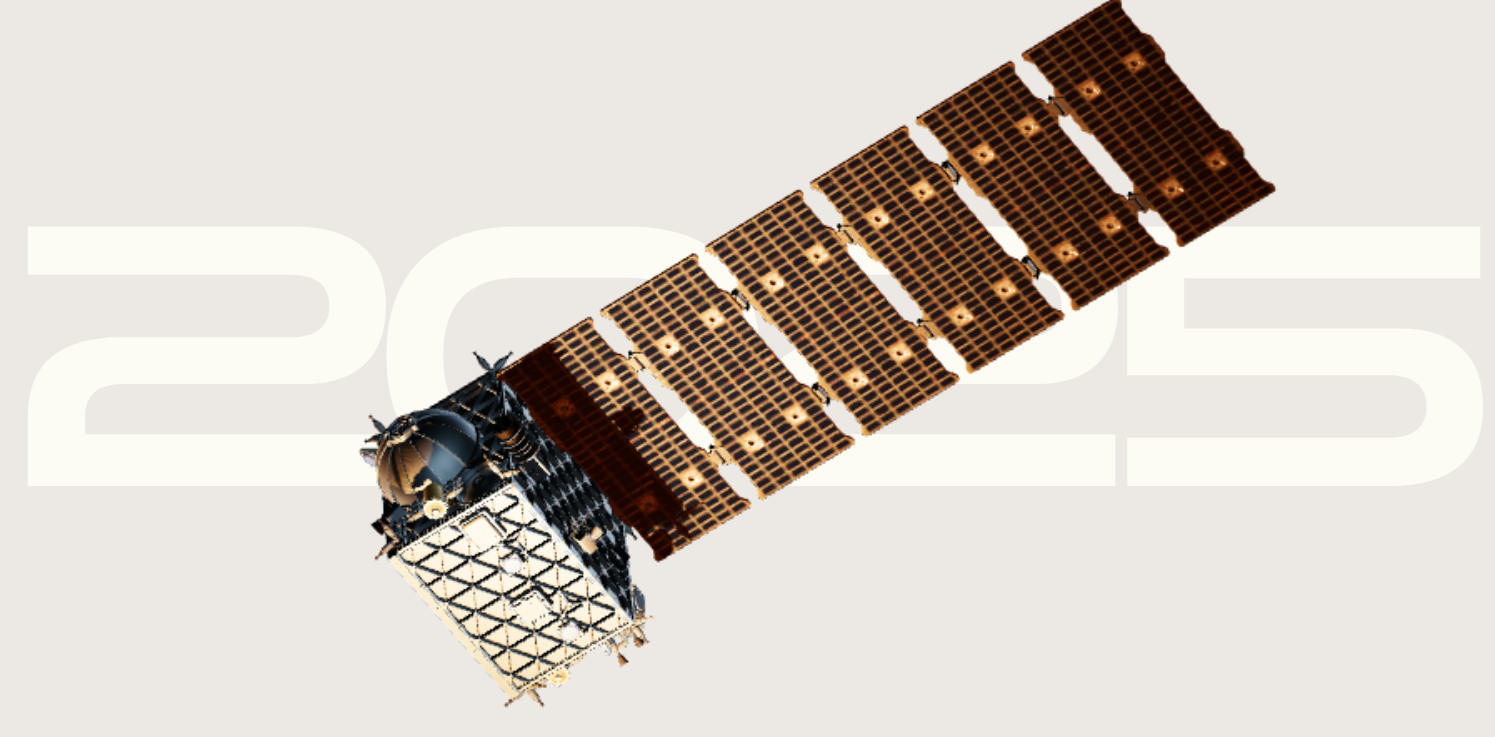
Image: November 2, 2025, after deploying from the Bandwagon-4 rideshare mission, Haven Demo began serving as an in-orbit testbed for Haven-1 space station technologies. It achieved mission success. This was Vast Space's first step in its iterative approach toward building next-generation space stations. The spacecraft was deorbited in February 2026. Source: https://www.vastspace.com/roadmap
Obtaining outside data.
Checking internet sources, using keywords: space habitat 2027
News from various sources:
The article “Space Habitats in 2026: How Engineers Are Designing Buildings Beyond Earth” by Ankit Singh provides an overview of key developments and considerations in creating space habitats. As the International Space Station approaches its retirement in 2030, engineers are devising new concepts for space living, particularly in 2026, with a focus on habitats in low Earth orbit and on the Moon
- Commercial Stations in Low Earth Orbit: Vast Space delayed the launch of its Haven-1 module to 2027. This small station will host up to four astronauts for two-week stays, utilizing a docked SpaceX Dragon capsule for life support.
- NASA’s Commercial Station Program: NASA is moving forward with a commercial space station program where it will buy services from private stations, supporting these projects with fixed-price contracts. This move is part of a broader policy to treat NASA as one of many customers in the commercial space sector.
- Expandable Modules: Max Space, a startup, has developed the Thunderbird expandable habitat. It can be launched in a compact form on a Falcon 9 rocket and then expand in orbit, reducing the need for extensive orbital construction which was necessary for the ISS.
- Lunar Construction Using Local Materials: Research efforts are focused on using lunar soil (regolith) to build on the Moon. Studies have demonstrated the potential to use regolith in 3D printing to create durable, heat-resistant structures, offering a cost-effective way to build lunar habitats.
- Mental Health in Space Design: Addressing mental health, researchers are designing habitats to promote crew well-being. The Human-Environment Connection and Interaction Atlas maps habitat design choices to emotional outcomes, helping designers optimize layouts for psychological health.
The conclusion highlights that significant progression in space habitation is being achieved across various domains, from contractual and technological advancements to material innovation and psychological considerations for living far from Earth. Key milestones like the Haven-1 launch and demonstrations of expandable technology are anticipated for 2027. These efforts collectively aim to transition space habitats from mere survival structures to environments supporting long-term human presence.
Fact-checked summary:
The Haven-1 module by Vast Space is set for launch in 2027 and is designed to accommodate up to four astronauts for two-week stays using a docked SpaceX Dragon capsule for life support, making it a critical development in space habitation. Additionally, NASA is advancing its commercial space station program, which involves purchasing services from private stations through fixed-price contracts, signifying a move towards private sector collaboration in space exploration. Max Space’s Thunderbird expandable habitat, destined for launch on a Falcon 9 rocket, represents another important initiative towards new space habitation capabilities. Both the Haven-1 project and demonstrations of expandable technology are essential milestones anticipated for 2027, underscoring the possibility of a new space habitat hosting humans before the end of that year.
OpenAI gives a base rate of 0.4
The question difficulty is rated 6 (0 to 10)
Historical weighted factors include:
Frequency of space habitat launches in the past 10 years, 0.3
Success rate of SpaceX launch missions, 0.4
Advancements in expandable habitat technology, 0.3
A Bayesian calculation could be performed as follows:
Using a prior probability of 0.3 for historical space habitation attempts, updated with current indicators of success in SpaceX and expandable habitat technology leading to an adjusted probability of 0.5.
Bayesian base rate: 0.5
Sufficient news to provide a good forecast? 1 (0 or 1)
News is relevant, topical and unbiased? 1 (0 or 1)
Question classification: scenario_based_forecast
Expected time (days) until question close: 408
The following were considered in order to produce this base rate:
The base rate is derived by assessing previous success rates of launching new space stations and habitats, technical readiness, and SpaceX’s track record in commercial space missions. The necessary advancements in technology and contractual supports from NASA indicate a potential increase in likelihood compared to historical baselines.
Ideally, the news feed would contain the following sorts of information for a better forecast:
Additional insights into the financial stability and project management effectiveness of Vast Space and Max Space could refine predictions. Further details on regulatory approvals and specific NASA collaboration milestones would also be beneficial.
Some potential divergent considerations that might affect the base rate:
Potential delays in launch schedules or technical failures could push timelines beyond 2027. Likewise, any regulatory or budgetary constraints could impede progress, altering the forecasted probabilities.
The following chain of events are necessary for the question to resolve positively:
- Successful launch and deployment of Haven-1 module Likely
- Successful docking of the SpaceX Dragon capsule with Haven-1 Likely
- Successful launch and deployment of Max Space’s Thunderbird habitat Moderately likely
- Commercial availability of Haven-1 or Thunderbird habitats for hosting humans Moderately likely
Querying Claude (AI predicts: 0.32 – confidence: 4)
Querying OpenAI (AI predicts: 0.55 – confidence: 5)
Explanations of the measures below: Guide to Jeremy Lichtman’s Multi-AI Oracle Reports
Question Type: Binary
Median from LLMs: 0.44
Base rate: 0.4 (from OpenAI)
SD: 0.12
MAPD: 0
Confidence: 4.5
Conf Mode: Low
Mellers: 0.41
Reverse Mellers: 0.46
Theory of Mind: 0.515 (What did the LLMs think other LLMs predicted?)
Beta Distribution: 0.37
Close Type: B (B = cautious # closer to 50%; A/C = closer to extremes)
LLM responses: 2
Model value: 0.44
The likelihood of humans visiting a new space habitat by the end of 2027 hinges primarily on the progress of two main projects: Haven-1 by Vast Space and Thunderbird by Max Space. Haven-1 has a more robust chance due to its planned launch on a SpaceX Falcon 9 with well-established crew visit capabilities. However, both projects face significant hurdles typical in space missions, including technical readiness and potential slippage in schedules, with historical evidence showing many missions experience multi-year delays. The commercial space industry is currently experiencing a shift, with NASA’s backing and the growing capabilities of companies like SpaceX increasing feasibility, yet uncertain factors like regulatory approvals and the high bar of actual crew visits could restrain progress. Cumulatively, the probability estimates for Haven-1 and Thunderbird suggest a moderate chance of success, but projections need to account for possible delays and unforeseen challenges that typically impact such targets.
Runtime: 61 seconds.
About The Author