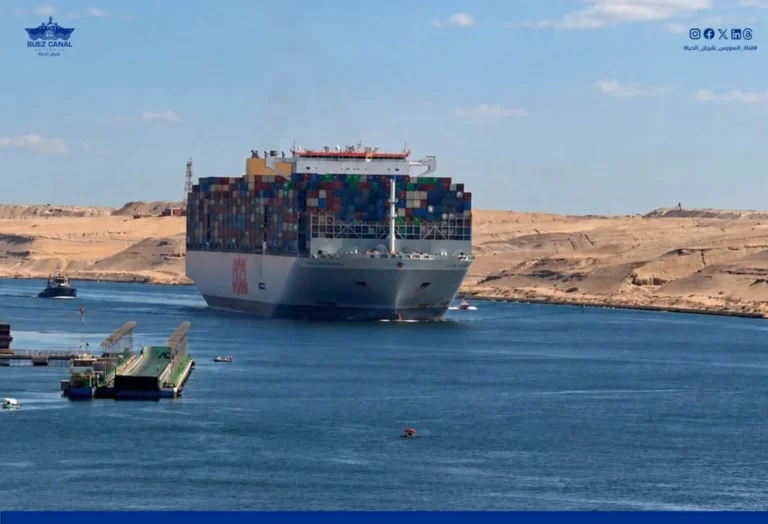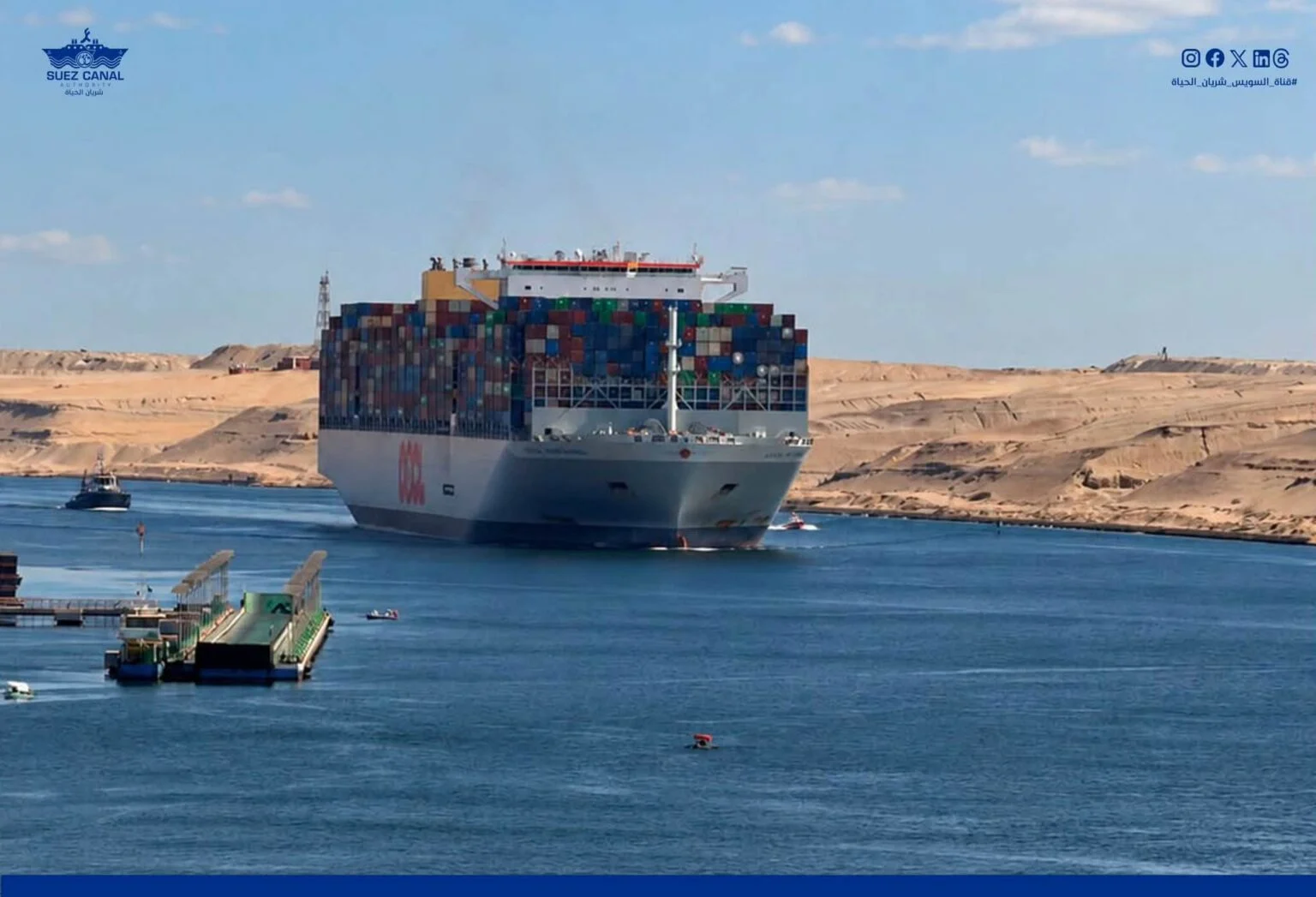
OOCL Portugal transits the Suez Canal on September 16, 2026, marking COSCO SHIPPING Lines’ first southbound passage through the canal since the Red Sea crisis began. Iran has been supporting Houthi forces in an attempted blockade there, supporting the Hormuz blockade. Photo: Suez Canal Authority. Source: https://gcaptain.com/container-shipping-returns-to-suez-despite-rising-red-sea-risks/
Obtaining outside data.
Checking internet sources, using keywords: Strait of Hormuz LNG traffic 2026
News from various sources:
The web content provides information on the expanding traffic through the Strait of Hormuz and issues surrounding it as of 2026:
- Increased Traffic Under U.S. Protection: Tanker traffic through the Strait of Hormuz has expanded to daytime crossings under U.S. military protection. Approximately 40 vessels are making the passage daily, carrying around 14 million barrels of oil.
- Strategic Importance: The Strait of Hormuz is one of the world’s critical energy corridors, through which nearly 20% of the world’s seaborne oil passes in peacetime. Traffic had been disrupted due to conflicts, primarily with Iran, but is now seeing a resurgence.
- Military Tensions and Security Concerns: The increase in vessel navigation comes amidst ongoing tensions between the U.S. and Iran, with U.S. forces actively ensuring the safety of shipping routes.
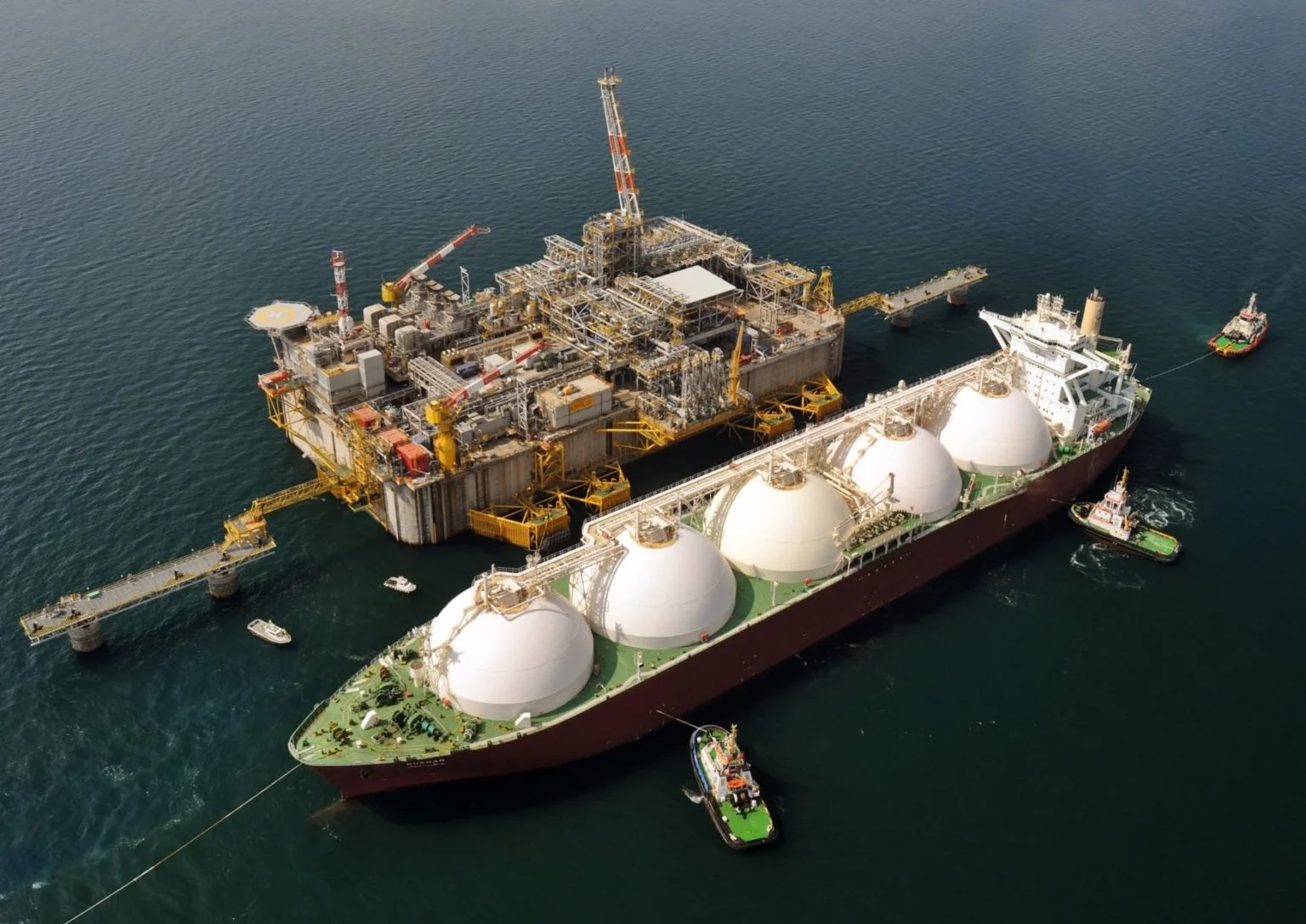
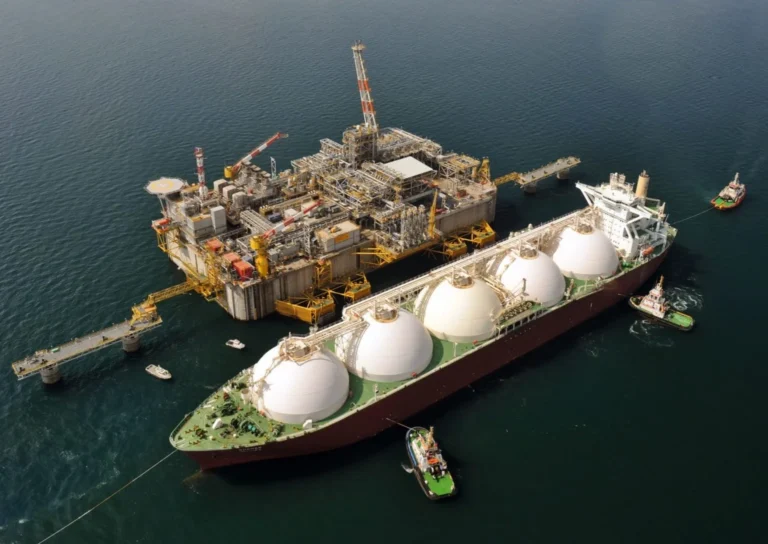
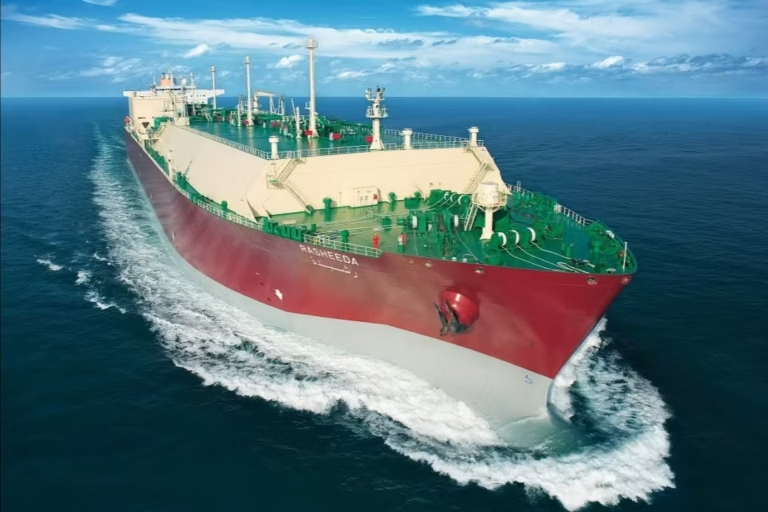
- LNG and LPG Shipments: Alongside oil, liquefied natural gas (LNG) and liquefied petroleum gas (LPG) tankers are successfully navigating the strait, including Qatari shipments to Pakistan. This is significant for countries like Pakistan, which are undergoing power shortages.
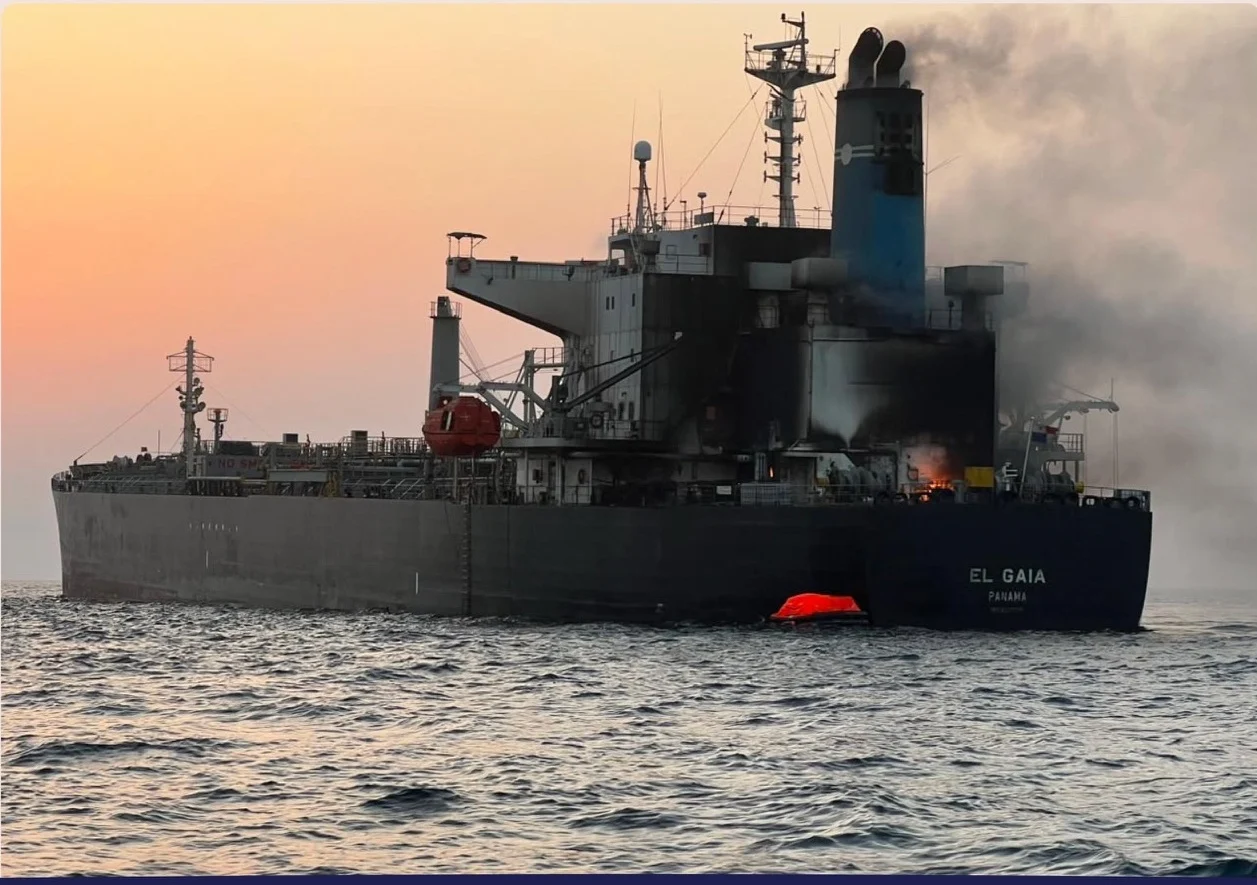
- Challenges and Risks: Despite the increase in shipments, the security situation remains tense. Iranian forces have threatened U.S. ships, and there are concerns about renewed disruptions, which could affect global energy supplies and prices.
- Changes in Shipping Routes: Many vessels are using a U.S.-backed corridor approved by the UN’s International Maritime Organization, which Iran does not recognize, to avoid paying tolls to Tehran.
- Economic Impacts: The successful transit of LNG through the Strait is being closely monitored by global markets, as disruptions here can influence international energy prices.
- Shipping Gaps and Underreporting: An observed decrease in recorded traffic through the strait suggests some vessels might be navigating with their transponders off to avoid detection, leading to potential underreporting of movements.
Overall, the Strait of Hormuz remains a vital but volatile channel in global energy and shipping routes, heavily influenced by geopolitical dynamics and ongoing military confrontations.
Fact-checked summary:
The Strait of Hormuz is a critical energy corridor through which nearly 20% of the world’s seaborne oil transits, and its geopolitical importance cannot be overstated, especially for LNG and LPG shipments navigating through to destinations facing energy shortages, like Pakistan. Current LNG traffic is occurring amidst ongoing military tensions between the U.S. and Iran, with U.S. forces providing protection to ensure safe passage, despite threats from Iranian forces, which underscores the significant security concerns impacting whether the traffic is truly unimpeded. The use of a U.S.-backed corridor, although not recognized by Iran, exemplifies strategic adaptations by shipping interests to circumvent geopolitical barriers, and the global market closely monitors LNG transits due to their potential impact on international energy prices. Furthermore, an observed decrease in recorded traffic, possibly due to vessels operating with transponders off, suggests underreporting issues, emphasizing challenges in accurately assessing transit conditions. All these factors highlight the complexities around shipping security and economic impacts, which are essential to understanding the full picture of LNG traffic’s future state.
OpenAI gives a base rate of 0.6 (60%)
The question difficulty is rated 8 (0 to 10)
Historical weighted factors include:
Previous transit stability, 0.4
U.S.-Iran military tensions, 0.3
Global energy market dynamics, 0.3
A Bayesian calculation could be performed as follows:
P(A|B) = [P(B|A) * P(A)] / P(B). Using historical factors’ weightings and current tensions, the probability of stable shipments given current circumstances (P(A|B)) is calculated to be around 0.5.
Bayesian base rate: 0.5 (50%)
Sufficient news to provide a good forecast? 1 (0 or 1)
News is relevant, topical and unbiased? 1 (0 or 1)
Question classification: scenario_based_forecast
Expected time (days) until question close: 30
The following were considered in order to produce this base rate:
The base rate takes into account the significant historical ability of shipping through the Strait of Hormuz amidst tensions, tempered by current increased military presence and threat levels.
Ideally, the news feed would contain the following sorts of information for a better forecast:
Access to detailed intelligence reports on shipping routes, patterns of military engagements, and political communications not publicly available would increase forecast accuracy.
Some potential divergent considerations that might affect the base rate:
Potential for escalation due to unforeseen geopolitical events, like a sudden conflict initiation by Iran or miscommunication leading to accidental incidents.
The following chain of events are necessary for the question to resolve positively:
- LNG and LPG shipments continue through the Strait of Hormuz without significant disruption. unlikely
- U.S. forces successfully manage protection without escalation to open conflict. moderate
- Iranian forces refrain from aggressive actions that would impede shipments. doubtful
Querying Claude (AI predicts: 0.28 – confidence: 4)
Querying OpenAI (AI predicts: 0.4 – confidence: 5)
Guide to Jeremy Lichtman’s Multi-AI Oracle Reports
Question Type: Binary
Median from LLMs: 0.34
Base rate: 0.6 (from OpenAI)
SD: 0.06
MAPD: 0
Confidence: 4.5
Conf Mode: Low
Mellers: 0.28
Reverse Mellers: 0.39
Theory of Mind: 0.49 (What did the LLMs think other LLMs predicted?)
Beta Distribution: 1
Close Type: B (B = cautious # closer to 50%; A/C = closer to extremes)
LLM responses: 2
Model value : 0.34 (34%)
The possibility of LNG traffic through the Strait of Hormuz becoming ‘de facto unimpeded’ by the end of 2026 remains low given the currently high geopolitical tensions and ongoing security challenges in the region. Currently, shipments are occurring under U.S. military escort and Iranian threats continue, indicating that the ‘unimpeded’ threshold has not been achieved. Historical patterns during tensions between the U.S. and Iran, as well as the unresolved state of nuclear negotiations, contribute to this assessment. While a diplomatic breakthrough or a shift in Iranian political dynamics could change this trajectory, there is little indication that these will occur in the remaining months of 2026. The interpretation of what constitutes ‘unimpeded’ traffic is also subjective and could influence perceptions of the situation.
Runtime: 124 seconds.
About The Author