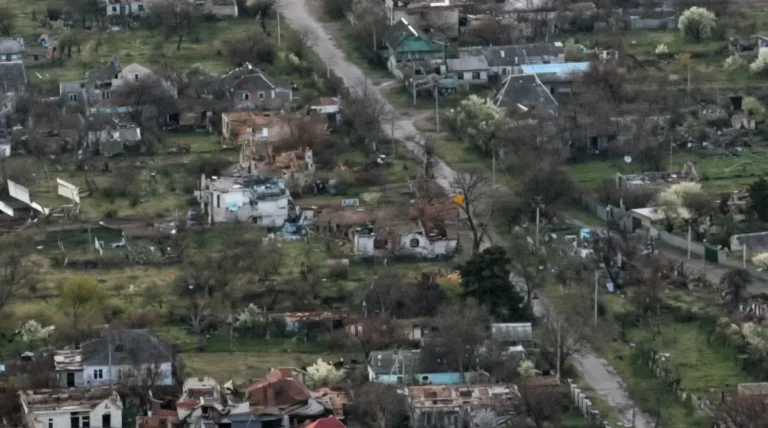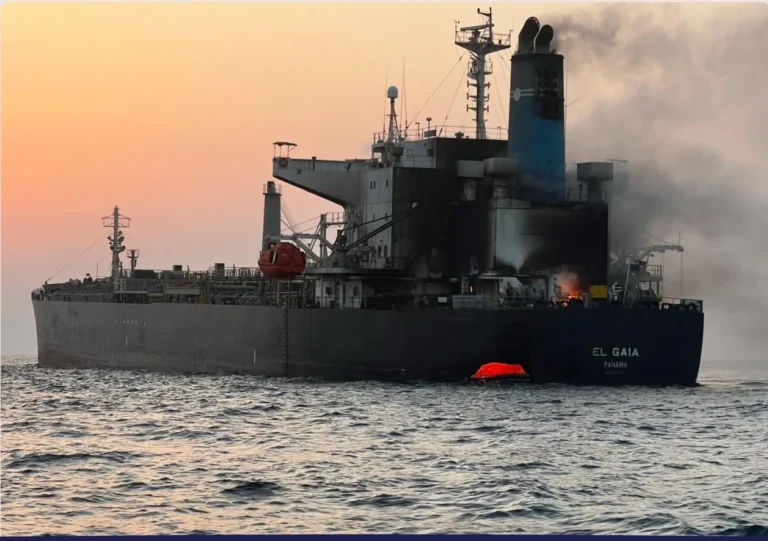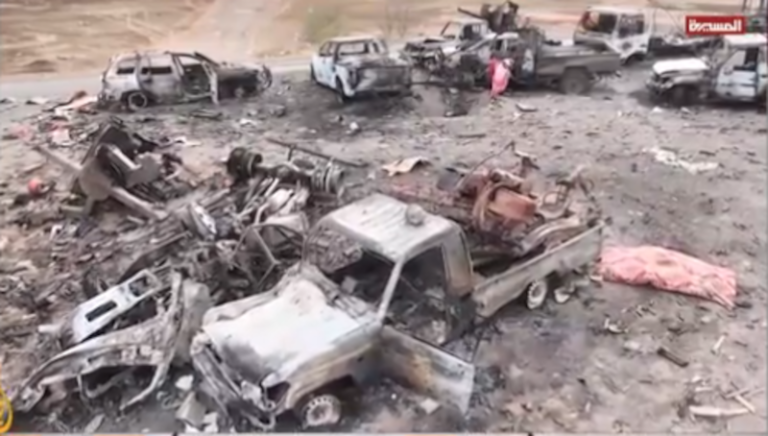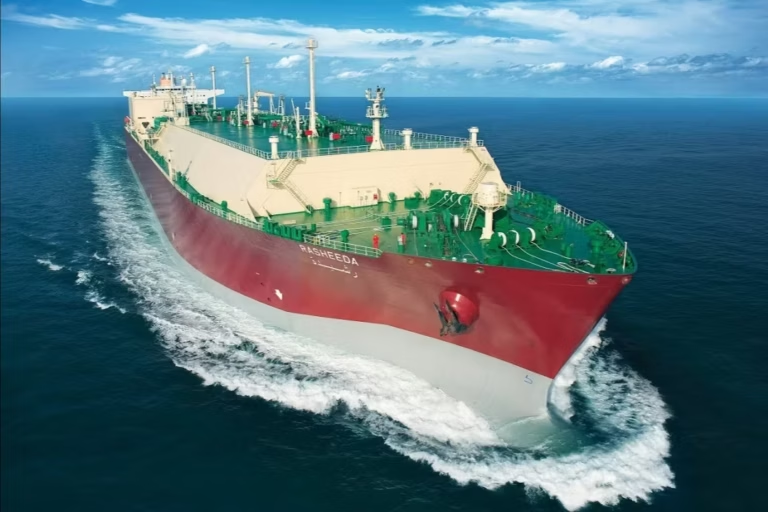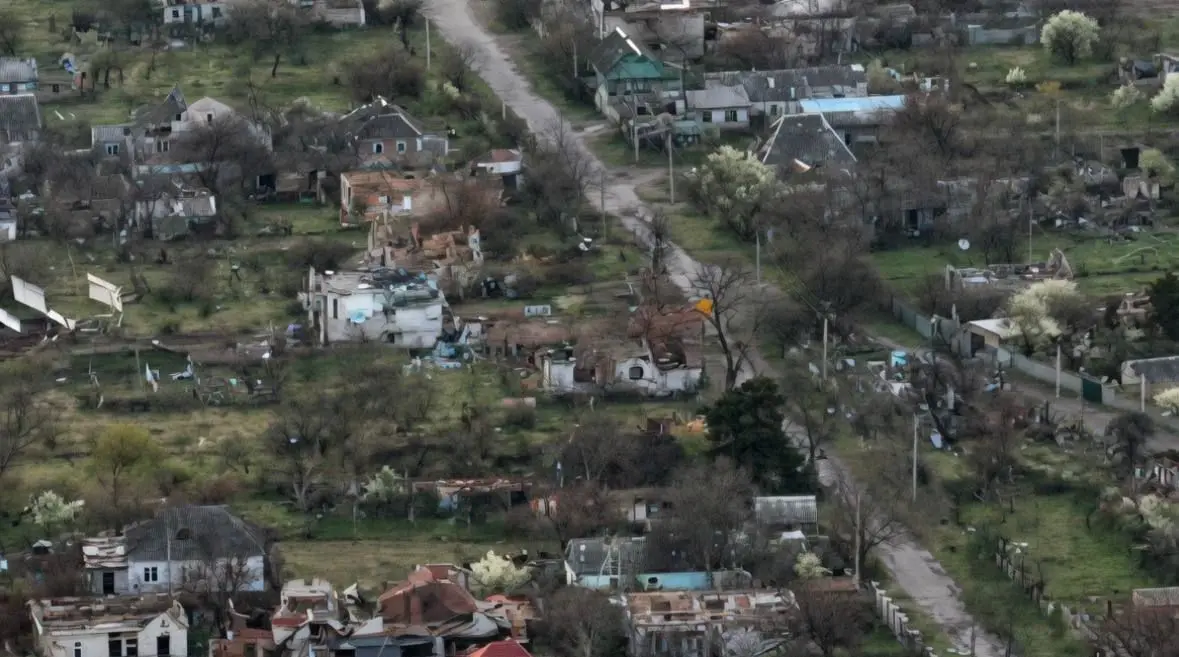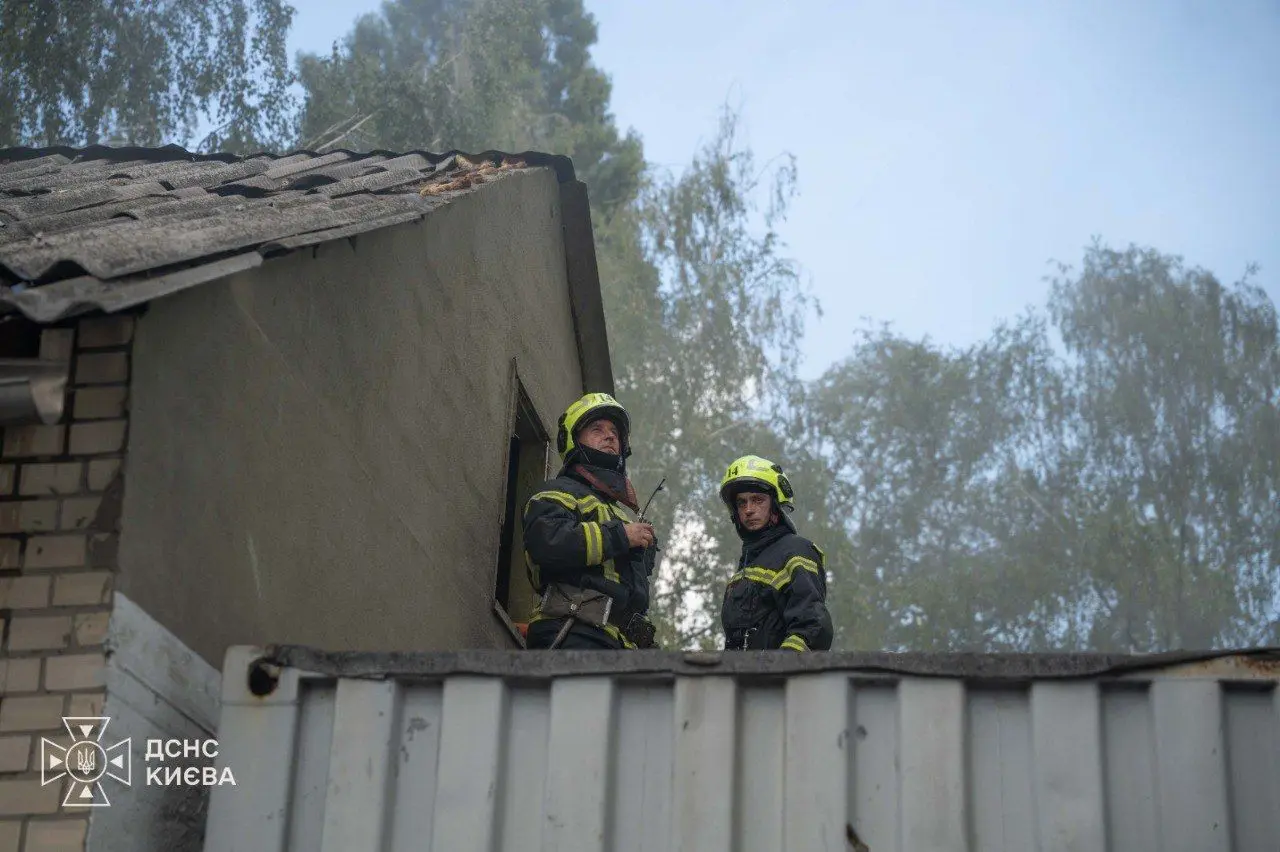
Workers of Ukraine's Emergency Service after Russian drone strike on Kyiv's gas stations for the second day, on Sept. 11, 2026. (Ukraine's Emergency Service / Telegram) Source: https://kyivindependent.com/ukraine-war-latest-russia-targets-kyiv-gas-stations-for-second-day/
Obtaining outside data.
Checking internet sources, using keywords: Ukraine ceasefire 2026
News from various sources: the content contains various pieces of information concerning the Ukraine ceasefire topic as of September 2026. Below is a summary of the relevant points extracted from the provided content:
Current Ceasefire Talks and Diplomatic Efforts:
- Russian President Vladimir Putin met with U.S. envoys, Steve Witkoff and Jared Kushner, at the Kremlin before their talks in Kyiv with Ukrainian President Volodymyr Zelensky. Both sides agreed to pause all strikes on each other’s capital during the U.S. envoys’ visit.
- A potential ceasefire agreement remains a topic of discussion, though no breakthrough has been achieved. The possibility of a trilateral meeting including Trump, Putin, and Zelensky, has been suggested amidst ongoing negotiations.
Military and Conflict Dynamics:
- Ukraine has increased its military operations inside Russian territory, targeting strategic locations to pressure Russia into considering peace negotiations. This marks a shift from smaller border skirmishes to deeper incursions.
- Casualties remain high, with recent Russian attacks killing at least seven people and injuring others across Ukraine.
Ceasefire Probability and Challenges:
- Prediction markets like Polymarket have slashed the odds of a lasting ceasefire by the end of 2026 to just 13%, reflecting skepticism over reaching a durable peace agreement.
- Market dynamics suggest that without a consistent ceasefire lasting at least ten days, temporary lulls in conflict won’t shift current outlooks significantly.
International Reactions and Policies:
- The United States has committed significant defense support to Ukraine since February 2022 amid the ongoing war, though this is unlikely to continue at the same levels due to other international conflicts, like with Iran.
- European countries’ energy policies are impacted by the conflict, with sanctions and disruptions being factors.
Historical Context and Ceasefire Conditions:
- Since 2022, Moscow’s demands for a ceasefire include the withdrawal of Ukrainian troops from recognized Russian-claimed territories, including Donbas, Zaporizhzhia, Kherson, and Crimea.
- Ukraine’s counteroffers involve proposals such as a free economic zone in Ukraine’s eastern Donbas region.
Overall, while discussions for a Ukraine ceasefire are ongoing, significant geopolitical tensions, active military engagements, and intricate international dynamics make a lasting ceasefire elusive as of this date. Overall, while fact-checking reveals some inaccuracies and uncertainty in stated facts, the geopolitical and military complexities, as well as evolving international dynamics, make a 2026 ceasefire currently elusive.
Fact-checked summary:
To evaluate the likelihood of a ceasefire or armistice in Ukraine in 2026, several key verified facts are relevant. Ukraine has expanded its military operations inside Russian territory, marking a strategic shift from smaller border skirmishes to deeper incursions, which is important as it affects the dynamics and pressures in ceasefire discussions. Additionally, casualties remain high, with recent Russian attacks resulting in fatalities in Ukraine; this is significant as it impacts humanitarian considerations and could influence the urgency of ceasefire negotiations. Prediction markets, influential for reflecting public sentiment and expert analysis, have lowered the odds of a lasting ceasefire by the end of 2026 to 13%, underscoring the perceived challenges and feasibility of reaching an agreement. Moreover, the United States is likely to reduce its defense support levels due to other international conflicts, a factor that can affect Ukraine’s negotiation power. Lastly, Moscow’s demands for a ceasefire include the withdrawal of Ukrainian troops from Russian-claimed territories, a critical negotiation hurdle directly influencing the outcome. These factors collectively illustrate the challenging environment for achieving a ceasefire in 2026.
OpenAI gives a base rate of 0.13 (13%)
The question difficulty is rated 7 (0 to 10)
Historical weighted factors include:
Historical ceasefires during prolonged conflicts, 0.2
Impact of international mediation in conflicts, 0.3
Previous ceasefires in the Russia-Ukraine conflict, 0.5
A Bayesian calculation could be performed as follows:
Using the base rate of 13% from prediction markets as prior. Adjusted by historical factors: historical ceasefire in prolonged conflicts (20% of cases), the success of international mediation (30%), and specific previous success rates in the Russia-Ukraine conflict (50%). Overall, increases or decreases this base rate by marginal factors depending on the consensus in historical cases.
Bayesian base rate: 0.1 (10%)
Sufficient news to provide a good forecast? 1 (0 or 1)
News is relevant, topical and unbiased? 1 (0 or 1)
Question classification: reference_class
Expected time (days) until question close: 110
The following were considered in order to produce this base rate:
The base rate derives from current prediction markets, which incorporate public sentiment and expert analysis adjusted for ongoing military developments and geopolitical considerations. The current ongoing conflict expansion within Russia and reduced international defense support also affect the likelihood of a ceasefire.
Ideally, the news feed would contain the following sorts of information for a better forecast:
More data on specific diplomatic engagements or shifts in military tactics, insights into domestic political pressures on both sides, and updates on international mediation efforts would improve the forecast accuracy.
Some potential divergent considerations that might affect the base rate:
The primary issues include the sharp rise in military aggression, lack of progress in negotiations, and high casualties, which all lower the probability, whereas potential shifts in international diplomatic efforts might increase the likelihood marginally.
The following chain of events are necessary for the question to resolve positively:
- Ukraine and Russia agree to initiate ceasefire negotiations – unlikely
- Third-party mediators facilitate and sustain negotiations – somewhat likely
- Reduction in military operations and hostilities in key regions – somewhat likely
- Mutual agreement on contentious territorial issues – unlikely
- Approval from international bodies such as the UN – somewhat likely
Querying Claude (AI predicts: 0.18 – confidence: 4)
Querying OpenAI (AI predicts: 0.13 – confidence: 5)
Guide to Jeremy Lichtman’s Multi-AI Oracle Reports
Question Type: Binary
Median from LLMs: 0.16
Base rate: 0.13 (from OpenAI)
SD: 0.03
MAPD: 0
Confidence: 4.5
Conf Mode: Low
Mellers: 0.08
Reverse Mellers: 0.25
Theory of Mind: 0.175 (What did the LLMs think other LLMs predicted?)
Beta Distribution: 0.16
Close Type: A (B = cautious # closer to 50%; A/C = closer to extremes)
LLM responses: 2
Model value: 0.16 (16%)
The likelihood of a ceasefire or armistice being declared in Ukraine by the end of 2026 is considered low, with prediction markets estimating a 13% chance given the current geopolitical dynamics. Key obstacles include Ukraine’s expanded military operations into Russian territory, which diminishes Russia’s incentive to negotiate, and the deeply entrenched positions over territorial disputes. Despite these challenges, there is a slight possibility of diplomatic resolutions, driven by international mediators and potential shifts in domestic politics within Russia or Ukraine. Additionally, high casualty rates are creating humanitarian pressure that could theoretically nudge parties toward negotiations. However, significant breakthroughs or shifts are necessary for any formal declarations to occur, and as such, the final estimated probability of a ceasefire remains modest at around 18%.
Runtime: 134 seconds.
About The Author