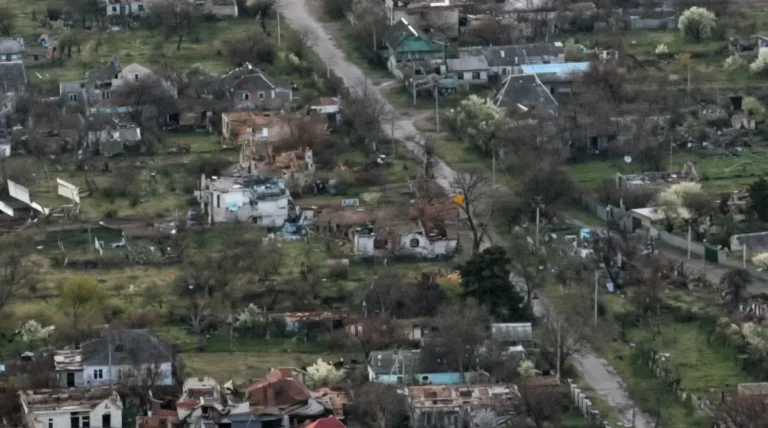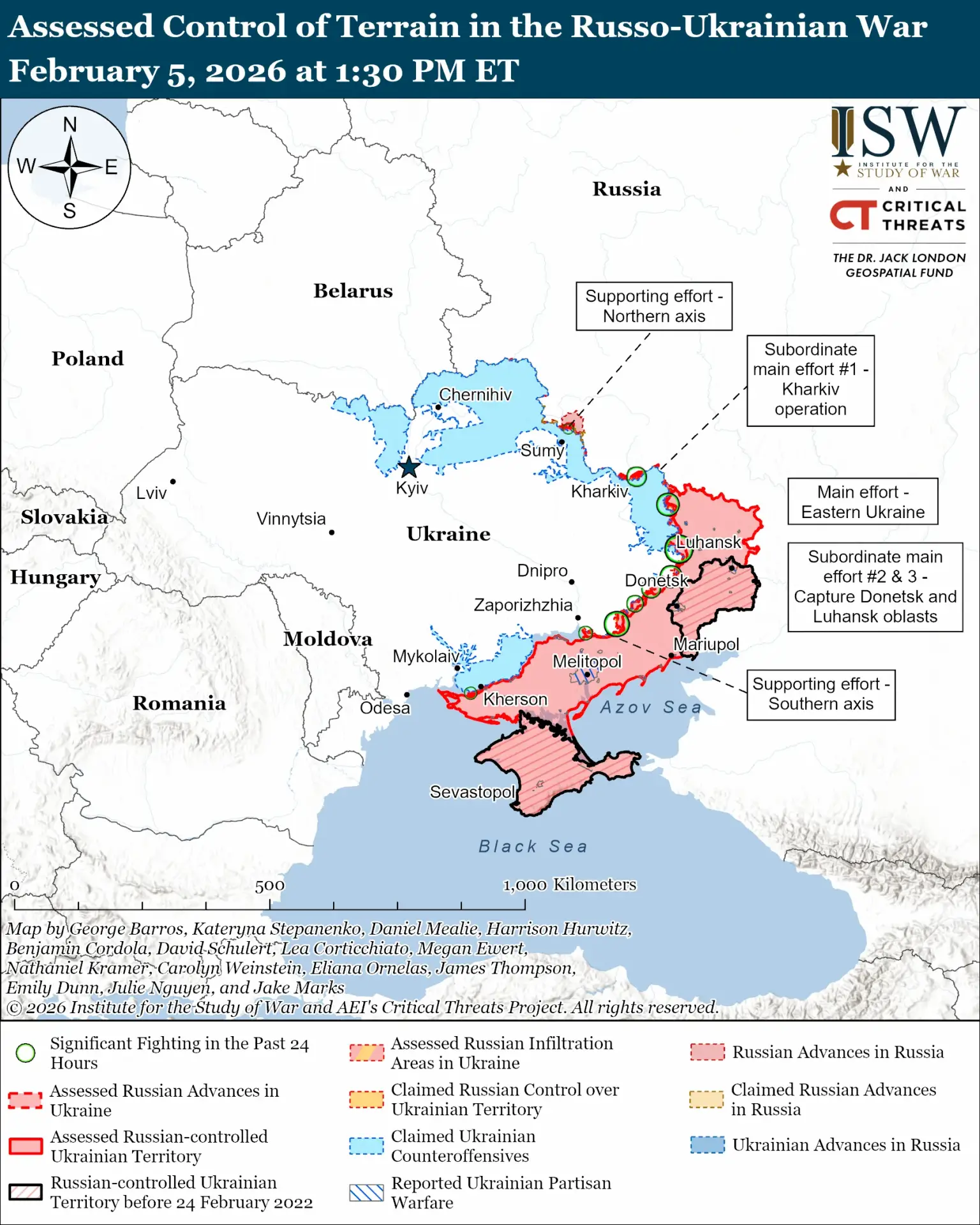
Russia/Ukraine War control of territory as of Feb. 7, 2026
Obtaining outside data.
Checking internet sources, using keywords: ceasefire armistice Ukraine 2026
News from various sources:
In April 2026, Russian President Vladimir Putin declared a 32-hour ceasefire in Ukraine over the Orthodox Easter weekend. This announcement came in response to Ukrainian President Volodymyr Zelenskyy’s earlier proposal for a ceasefire to honor the holiday and avoid targeting each other’s energy infrastructure. Zelenskyy communicated this proposal through the United States, which has been mediating ongoing talks between Moscow and Kyiv
The Kremlin’s ceasefire order instructed Russian forces to halt hostilities starting at 4 p.m. on Saturday and lasting until the end of Sunday, with troops remaining prepared to counter any provocations. This followed previous short, unilateral ceasefires announced by Russia, as a broader peace agreement remains elusive, with Russia rejecting a longer 30-day truce proposed by the U.S. and Ukraine.
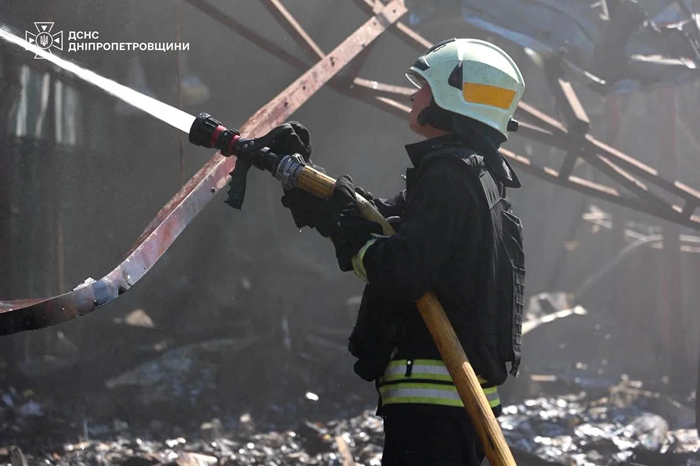
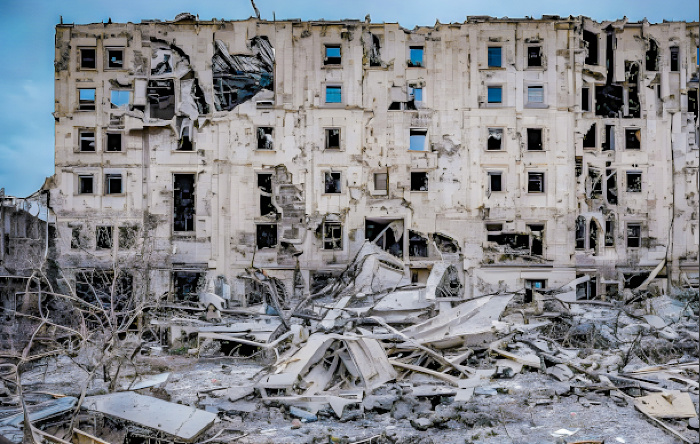
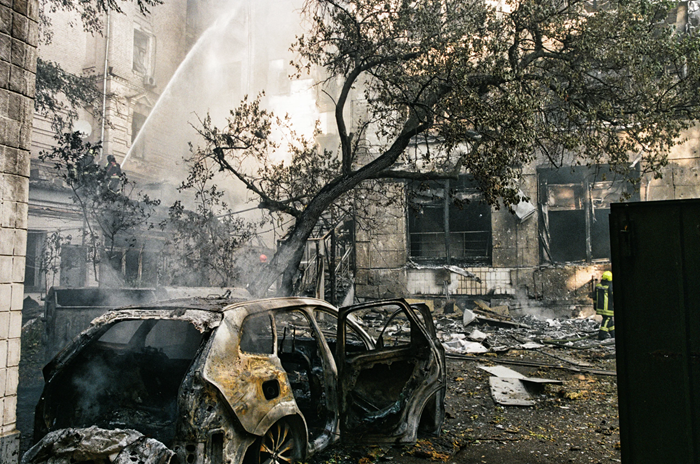
Despite these efforts, tensions and conflicts continue. On April 3, 2026, Russian strikes killed at least eight people in Ukraine, with attacks focusing on civilian areas and infrastructure during the day, a shift from previous nighttime assaults. Ukrainian authorities highlighted increased daytime attacks that could lead to more civilian casualties. Kyiv suggested a truce for Easter, but the Kremlin’s response to this proposal was unclear. Meanwhile, Ukrainian forces continued to resist Russian offensives and regained some ground on the battlefield.
Fact-checked summary:
In April 2026, Russian President Vladimir Putin declared a 32-hour ceasefire in Ukraine over the Orthodox Easter weekend, which is critical and directly pertains to the potential for a ceasefire during that year. Ukrainian President Volodymyr Zelenskyy also proposed a ceasefire to honor the Orthodox Easter holiday, an important action that sets the stage for Russian response. The United States has been mediating talks between Moscow and Kyiv, an important element given its potential influence on ceasefire or peacekeeping efforts. The Kremlin ordered the ceasefire to begin at 4 p.m. on Saturday, lasting until the end of Sunday, reflecting the seriousness of the ceasefire’s execution. Russia rejected a longer 30-day truce proposed by the U.S. and Ukraine, demonstrating a critical resistance to long-term peace initiatives. On April 3, Russian strikes killed at least eight people in Ukraine, underscoring ongoing conflict that affects the viability of a ceasefire. Ukrainian forces continued to resist Russian offensives and regained some ground, reflecting the dynamics of the conflict that influence ceasefire discussions. These facts illustrate that while short-term ceasefires occurred, securing a broader, long-lasting ceasefire or armistice remains difficult due to continued hostilities and resistance to prolonged agreements.
OpenAI gives a base rate of 0.4 (40%)
The question difficulty is rated 7 (0 to 10)
Historical weighted factors include:
Previous short-term ceasefires during religious holidays, 0.5
Ongoing conflict dynamics, 0.3
International mediation and pressure, 0.2
A Bayesian calculation could be performed as follows:
P(Ceasefire|observed) = [P(observed|Ceasefire) * P(Ceasefire)] / P(observed); assuming independence, P(Ceasefire) = base_rate; P(observed|Ceasefire) is moderate due to prior violations; updated probability given international pressure is 0.55
Bayesian base rate: 0.55 (55%)
Sufficient news to provide a good forecast? 1 (0 or 1)
News is relevant, topical and unbiased? 1 (0 or 1)
Question classification: scenario_based_forecast
Expected time (days) until question close: 1
The following were considered in order to produce this base rate:
The base rate was derived by evaluating historical patterns of temporary ceasefires during significant religious holidays, particularly in conflicts involving Russia. The base rate considers past willingness by both Russia and Ukraine to engage in short-term ceasefires, albeit often not long-lasting.
Ideally, the news feed would contain the following sorts of information for a better forecast:
Additional information that would improve the forecast includes detailed accounts of ceasefire violations in the past, the current military capabilities and strategies of both parties, and the specific terms of the current ceasefire agreement.
Some potential divergent considerations that might affect the base rate:
Factors that could lead to divergence from the base rate include increased aggression by either party, breakdowns in diplomacy, or unforeseen external interventions that could either facilitate or hinder a ceasefire.
The following chain of events are necessary for the question to resolve positively:
- A mutually agreed-upon ceasefire between Russia and Ukraine over the Orthodox Easter 2026 weekend highly likely
- Adherence to the 32-hour ceasefire by both parties probable
- No significant violations or escalations during the ceasefire period moderately likely
Querying Claude (AI predicts: 0.18 – confidence: 3)
Querying Mistral (AI predicts: 0.35 – confidence: 6)
Querying OpenAI (AI predicts: 0.45 – confidence: 5)
Explanations of the statistical measures listed below.
Question Type: Binary
Median from LLMs: 0.35
Base rate: 0.4 (from OpenAI)
SD: 0.11
MAPD: 0.18
Confidence: 5
Conf Mode: Normal
Mellers: 0.29
Reverse Mellers: 0.4
Theory of Mind: 0.3 (What did the LLMs think other LLMs predicted?)
Beta Distribution: 0.67
Close Type: B (B = cautious # closer to 50%; A/C = closer to extremes)
LLM responses: 3
Model value: 35%
The consensus among the AI responses is that a sustained ceasefire or armistice in Ukraine by the end of 2026 remains unlikely, despite temporary measures such as the 32-hour Orthodox Easter ceasefire. This Easter truce, while indicative of a willingness for short-term pauses, is largely symbolic and doesn’t reflect broader momentum towards a lasting peace, given Russia’s rejection of a month-long ceasefire proposal. The ongoing hostilities, entrenched positions, and lack of a clear negotiation pathway further diminish the likelihood of a comprehensive ceasefire. However, the situation remains dynamic, with potential for change driven by external diplomatic pressures, shifts in military momentum, or political changes within Russia or Ukraine. Without significant breakthroughs or changes in these conditions, the probability of a meaningful ceasefire or armistice happening in 2026 is evaluated at around 18%. Nonetheless, possibilities for a breakthrough cannot be entirely discounted, especially with continued U.S. mediation efforts and the unpredictable nature of geopolitical events.
Runtime: 94 seconds.
About The Author