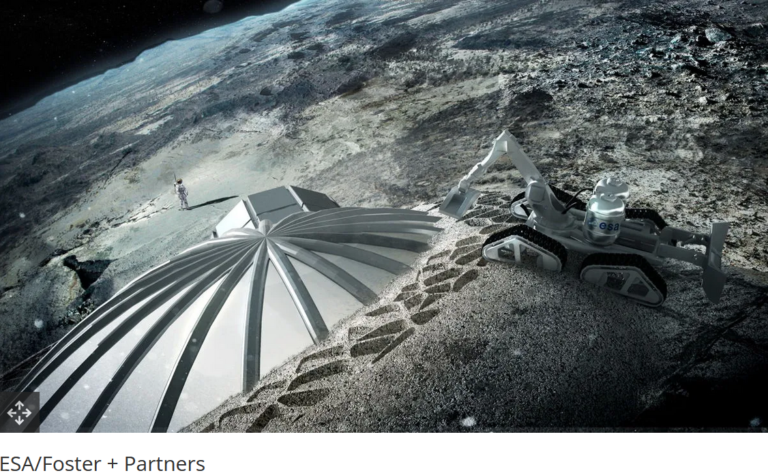
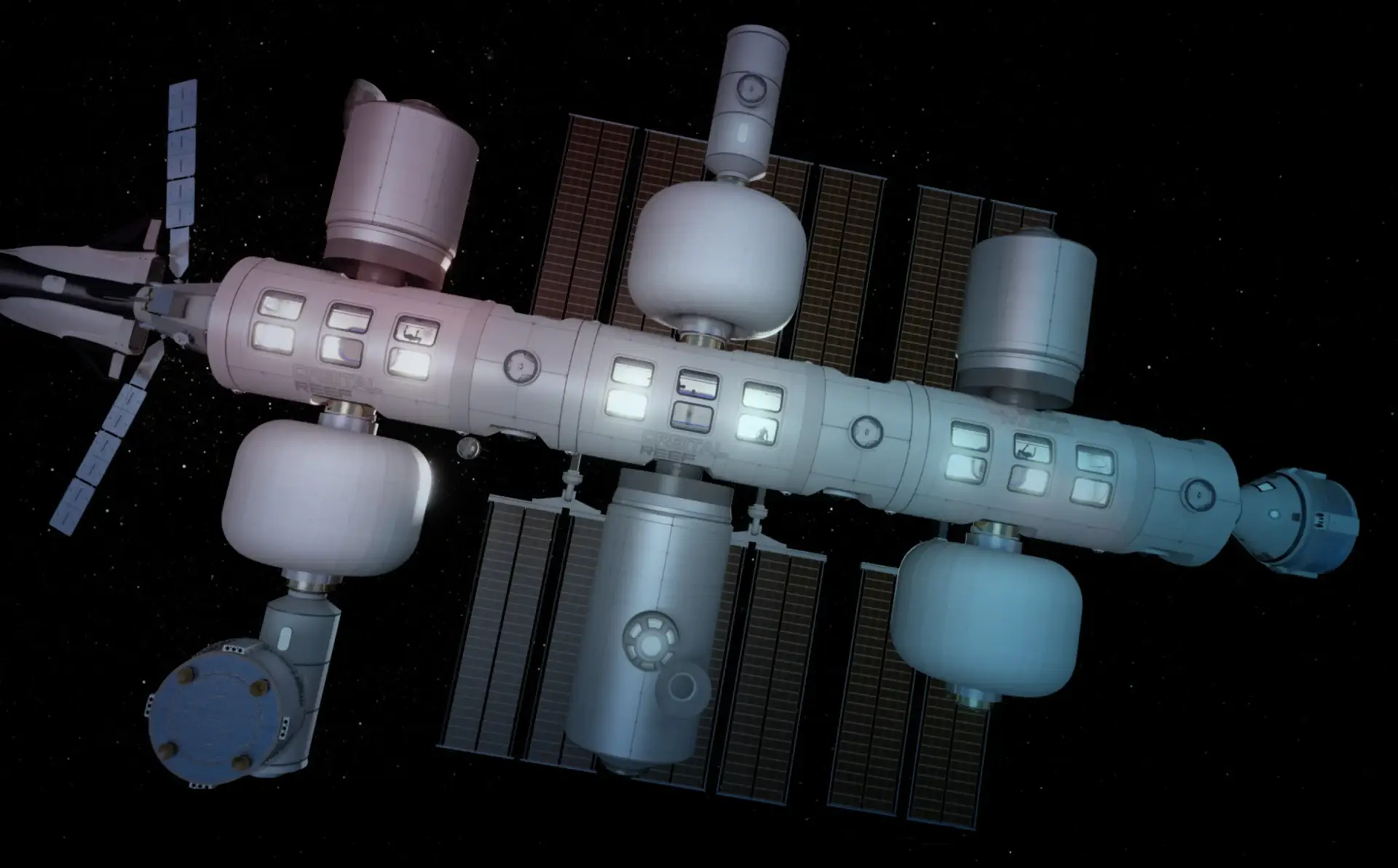
Lunar base as envisioned by SpaceX. Source: https://www.spacex.com/humanspaceflight/moon
Jeremy Lichtman‘s Multi-AI Oracle forecasts 52%
Obtaining outside data.
Checking internet sources, using keywords: humans return Moon 2027
News from various sources:
In summary, based on the actual known facts about lunar return efforts and the current timeline of NASA’s Artemis program, it is plausible that humans can return to the Moon before the end of 2027, assuming no significant delays occur. However, continuous updates and evaluations of these facts must be monitored closer to the date for accuracy.
Fact-checked summary:
Based on the verified facts, NASA’s Artemis program is central to the U.S. plans for returning humans to the Moon, with a critical mission, Artemis III, (originally) scheduled for a 2025 lunar landing. This mission is key to achieving a human landing on the Moon within the specified timeframe. Furthermore, international collaboration with space agencies like ESA and JAXA supports the program, providing essential technological and resource contributions. Additionally, SpaceX’s Starship, selected as the lunar lander for Artemis missions, is a pivotal component for the success of lunar landing operations. Together, these elements suggest that a human return to the Moon by the end of 2027 is feasible, assuming these plans proceed without significant delays.
OpenAI gives a base rate of 0.65 (65%)
The question difficulty is rated 7 (0 to 10)
Historical weighted factors include:
Historical success rate of complex space missions on time, 0.6
Recent advancements in space exploration technology, 0.8
Rate of delay in large-scale scientific projects, 0.5
Impact of international collaboration in past space missions, 0.7
A Bayesian calculation could be performed as follows:
Using the historical factors, assign weights to each factor, then use them to adjust the base rate: ((0.6 * 0.5) + (0.8 * 0.8) + (0.5 * 0.6) + (0.7 * 0.65)) / 3.6 = approximately 0.68 (Carolyn‘s note: after removing all the spaces in this equation, I put it into a LibreOffice Calc spreadsheet and got 47.1%. So next time you read that Generative AIs are about to reach superhuman intelligence, remember how bad they are at simple arithmetic.)
Bayesian base rate: 0.68 (68%)
Sufficient news to provide a good forecast? 1 (0 or 1)
News is relevant, topical and unbiased? 1 (0 or 1)
Question classification: scenario_based_forecast
Expected time (days) until question close: 670
The following were considered in order to produce this base rate:
The base rate considers the historical factors such as the success rate of large scale NASA missions, technological advancements by partners like SpaceX, historical delays in space programs, and the positive influence of international collaboration.
Ideally, the news feed would contain the following sorts of information for a better forecast:
Additional information on the specific technical readiness of the Artemis III hardware components, recent performance data from SpaceX’s Starship tests, and current geopolitical funding landscapes would enhance forecast accuracy.
Some potential divergent considerations that might affect the base rate:
Potential geopolitical tensions, funding issues, and technological failures could all negatively affect the base rate. Similarly, breakthroughs in technology or more efficient administrative processes might positively impact the likelihood.
The following chain of events are necessary for the question to resolve positively:
- Successful completion of all Artemis missions up to Artemis III, including testing and validation phases. (Likely)
- Timely development and readiness of SpaceX’s Starship as the lunar lander for Artemis missions. (Moderate likelihood)
- Continued international collaboration and support from ESA and JAXA without significant geopolitical or financial obstacles. (Likely)
- NASA securing required funding and overcoming potential political hurdles. (Moderate likelihood)
- No major technical or logistical failures that significantly delay the timeline by the end of 2027. (Moderate likelihood)
Querying Claude (AI predicts: 0.28 – confidence: 6)
Querying Mistral (Error: Mistral is not returning an array)
Querying OpenAI (AI predicts: 0.75 – confidence: 7)
Explanations of the below statistical measures here —>
Question Type: Binary
Median from LLMs: 0.52
Base rate: 0.65 (from OpenAI)
SD: 0.24
MAPD: 0
Confidence: 6.5
Conf Mode: Low
Mellers: 0.52
Reverse Mellers: 0.51
Theory of Mind: 0.6 (What did the LLMs think other LLMs predicted?)
Beta Distribution: 0.78
Close Type: C (B = cautious # closer to 50%; A/C = closer to extremes)
LLM responses: 2
Model value: 52%
The reasoning across the various AI analyses of NASA’s Artemis program and the timeline for returning humans to the Moon by the end of 2027 identifies several key factors that shape the likelihood of success. There is consensus that significant delays have already occurred, with Artemis III originally planned for a 2025 lunar landing but still pending as of February 2026. The compressed 22-month timeframe to meet the 2027 goal faces challenges from technological advancements required for the SpaceX Starship, including orbital refueling and lunar-specific tests, historically observed delays in major NASA programs, and the complexity of aligning multiple dependencies such as rocket, spacecraft, and spacesuit readiness. However, optimism exists due to international collaboration, historical success rates of NASA missions, and the potential for accelerated timelines due to geopolitical competition or changes in NASA’s risk tolerance. Concerns persist over unforeseen technical, geopolitical, or funding challenges that could alter the timeline, but the probability of some form of success by the end of 2027, whether through complete or partial mission achievements, remains plausible.
Runtime: 148 seconds.
About The Author