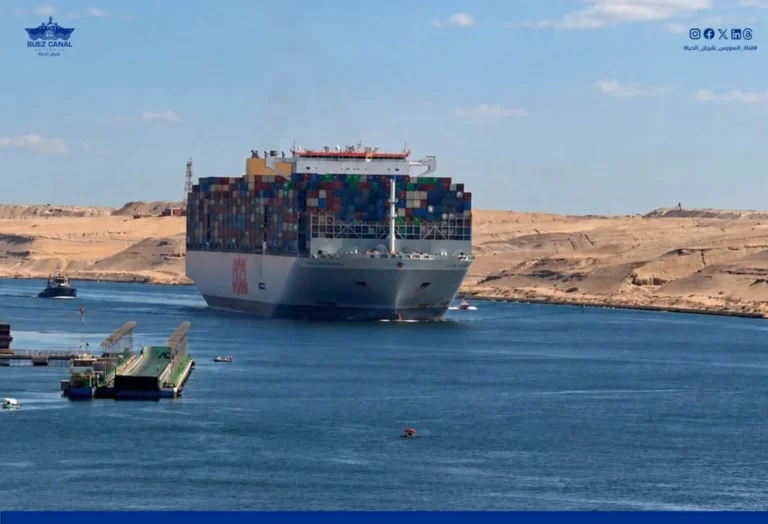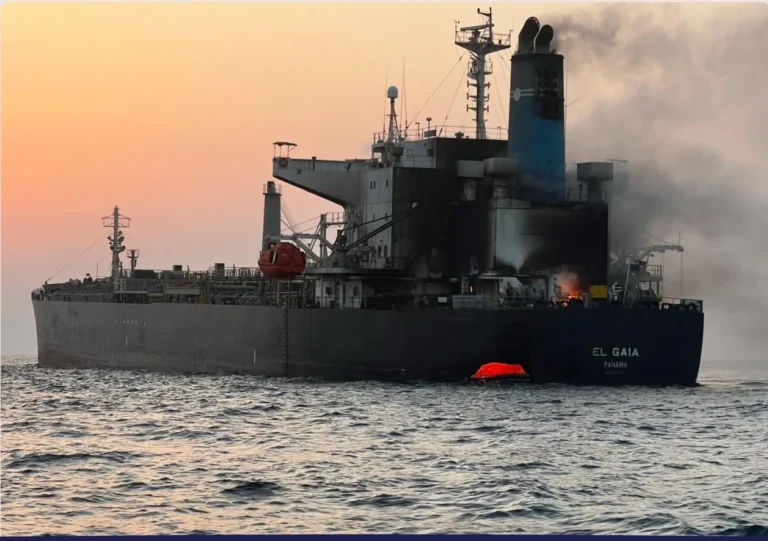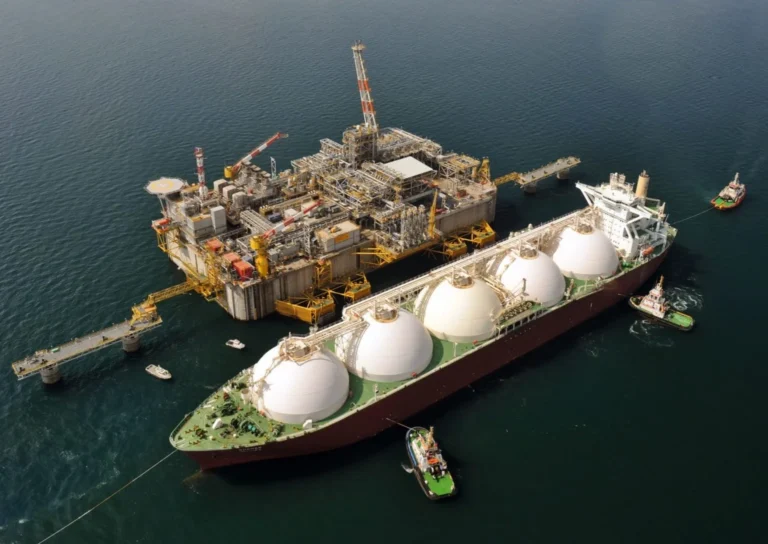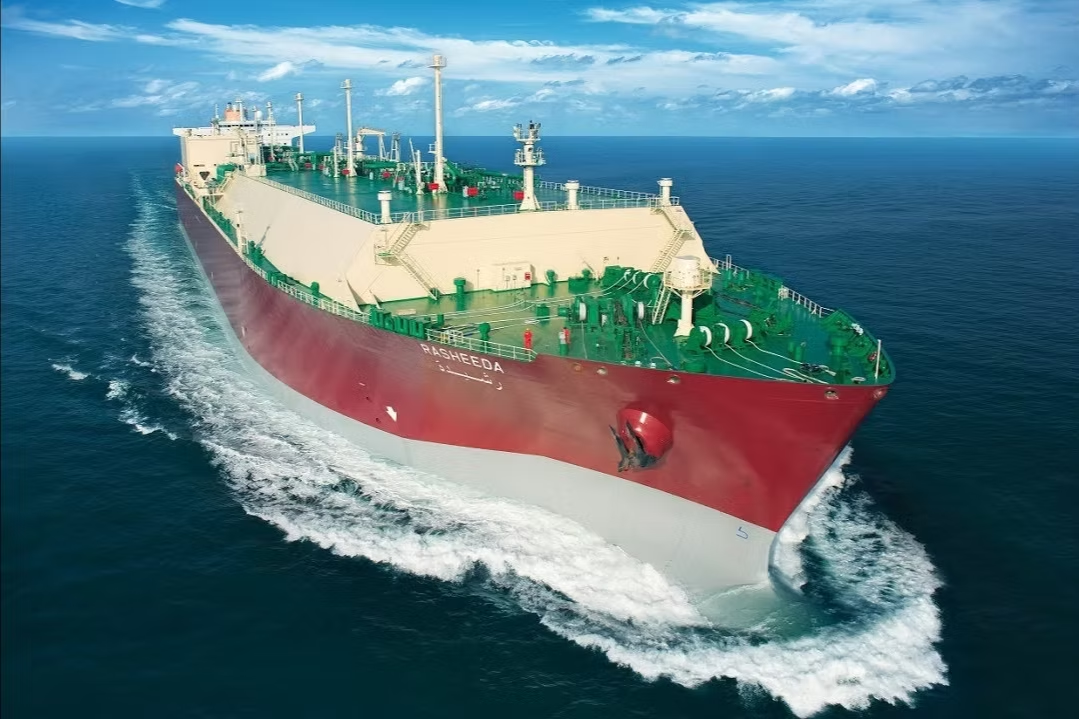
Nakilat owns one of the world’s largest LNG shipping fleets, comprising 69 LNG carriers. Image courtesy Nakilat. https://www.nakilat.com/our-fleet/
Grok response:
10 Key Citations
- Title: Qatari, UAE LNG Cargoes Transferred Via Ship-to-Ship Outside Strait of Hormuz
Source/Description: gCaptain (Reuters) article on emergency LNG workarounds.
Date: September 2, 2026
Summary: Three LNG cargoes from Qatar and UAE were transferred ship-to-ship outside Hormuz in late August for delivery to India and Japan, involving vessels like GasLog Shanghai (previously attacked) and Al Rekayyat. STS transfers are unusual for LNG and add significant cost and time. This highlights ongoing severe restrictions, with regional LNG exports far below pre-war levels and Asian spot prices more than double pre-conflict.[1] - Title: Japan’s Mitsui OSK Sees Risk to Hormuz Shipping Through Year-End
Source/Description: gCaptain (Bloomberg) interview with Mitsui OSK Lines CEO.
Date: September 3, 2026
Summary: CEO Jotaro Tamura stated it is difficult to see Hormuz operations resuming in any form by year-end due to elevated risks from recent attacks. The company had previously assumed phased resumption from October and normal from January, but now sees delays. Japanese tankers have stayed away while some others transit dark.[2] - Title: QatarEnergy tests Hormuz with first open LNG transit in six weeks
Source/Description: Splash247 report on a visible Qatari LNG transit.
Date: September 8, 2026
Summary: The Al Marrouna transited Hormuz with AIS on, bound for Pakistan, the first open Qatari LNG exit in nearly six weeks. It may test Iran-Oman talks on a temporary safe-passage route. Analysts called it constructive but cautioned the security picture remains volatile.[3] - Title: Six months into Hormuz blockade, Qatar and UAE test ways to keep LNG moving
Source/Description: Euronews / Hellenic Shipping News on Gulf LNG adaptations.
Date: September 8 / October 9, 2026
Summary: Qatar and UAE used STS transfers for three cargoes as Hormuz remains blockaded; Qatar exported only 18 cargoes in the first six months of war vs. 509 the prior year (96% drop). No large-scale LNG bypass exists, unlike some oil pipelines. Diplomatic talks continue for a corridor and mine-clearing.[4] - Title: Hormuz disruption to stall 2026 LNG trade, demand to rise by 2050, says Shell
Source/Description: Reuters / gCaptain on Shell’s LNG outlook.
Date: June 30, 2026
Summary: Disruptions shut in ~20% of global monthly LNG supply; Shell expects 2026 trade flat if flows normalize in three months, with growth in 2027. New North American supply and slower Asian demand helped offset Middle East losses. Higher prices may curb South Asian demand.[5] - Title: Report: no LNG carriers passed through Hormuz since July 11
Source/Description: LNG Prime citing Kpler data on halted transits.
Date: July 15, 2026
Summary: No LNG carriers transited since July 11 after Iranian attacks on vessels including Al Rekayyat; 21 LNG carriers were inside the Gulf. Traffic had recovered somewhat in June (40 transits vs. none in March) after a ceasefire but reversed with renewed hostilities. Hormuz is the only export route for Qatari LNG.[6] - Title: Escalating Iran War Seen Curbing Even More LNG Supply Through Year’s End
Source/Description: Natural Gas Intel on Kpler forecasts and Qatar force majeure.
Date: July 24, 2026
Summary: QatarEnergy extended force majeure through mid-October; Kpler expects prolonged constrained LNG transit through year-end, curbing ~21 Mt vs. prior outlook. 18 Qatari tankers were floating offshore. Prices expected near $19/MMBtu in Asia/Europe.[7] - Title: The crisis in the Strait of Hormuz is a heavy blow to the deteriorating maritime order
Source/Description: Atlantic Council issue brief on post-February 28 developments.
Date: July 31, 2026
Summary: Iran effectively blocked the strait after US-Israeli attacks, with ceasefires and violence cycles; transits fell from ~130/day pre-war. By late June, ~30 ships/day (less than 1/4 pre-war). 19% of global LNG transited Hormuz pre-war.[8] - Title: Asia Gas Jumps to Highest Since 2022 After Middle East Flare-Up
Source/Description: Bloomberg / Energy Connects on price impacts.
Date: September 4, 2026
Summary: Asian spot LNG hit $25.908/MMBtu, highest since Dec 2022, more than double pre-war, after US-Iran hostilities resumed. About 1/5 of world LNG flowed through Hormuz pre-war. High prices cut Chinese imports and strained Pakistan.[9] - Title: Strait of Hormuz Re-Closes as Bab el-Mandeb Destabilizes
Source/Description: Kpler blog on extended conflict baseline.
Date: July 29, 2026 (with later updates implying continuation)
Summary: After July re-escalation, daily transits collapsed; LNG transits zero since July 12. Kpler assumes extended conflict, LNG outages ~4.7 Mt/month through November, Ras Laffan limited to 27 Mt in 2026 (vs. 81 Mt 2025). Recovery pushed to 2027.[10]
Detailed Rundown of Relevant News and Data
The US-Israel war on Iran began February 28, 2026, prompting Iran to effectively close the Strait of Hormuz via threats, mining, attacks on vessels, and authorization requirements. This halted most international maritime traffic, including LNG (pre-war ~19-20% of global supply, primarily Qatar’s Ras Laffan ~77-107 Bcm/year and UAE Das Island). Qatar shut Ras Laffan production in March, declared force majeure, and suffered infrastructure damage (two trains hit, equivalent to significant capacity loss with multi-year repairs). Pre-war, ~3 laden LNG carriers transited daily (~90/month from Qatar/UAE combined); traffic dropped to near-zero initially, with vessels going dark (AIS off), using Iranian-approved northern routes, US-escorted southern Omani corridors, or (rarely) STS transfers outside the strait.[11]
August saw only 3 STS cargoes (~3% of pre-war monthly flow). September featured one open transit (Al Marrouna to Pakistan, AIS on, possibly testing Iran-Oman corridor talks) plus empty tankers positioning, but overall volumes remain a fraction. gCaptain’s latest energy coverage (through early September) focuses on STS workarounds, not unimpeded traffic.[12]
=== Forecast Result ===
The probability is low. As of September 10, LNG traffic remains roughly 90% below prewar levels, with recent activity consisting of isolated test voyages and costly ship-to-ship transfers rather than routine passage. The most relevant evidence is especially unfavorable:
- gCaptain continues to describe Hormuz as effectively shuttered, with overall vessel traffic in single digits and LNG movements near zero.
- QatarEnergy force majeure and cargo cancellations extend into November.
- Kpler and shipping-industry commentary reportedly place meaningful recovery in 2027 rather than 2026.
- A Mitsui O.S.K. assessment sees little prospect of Hormuz operations resuming even in phased form by year-end.
- The single recent LNG transit demonstrates that passage is possible, but not that it is de facto unimpeded.
There is still meaningful upside risk to a sudden diplomatic or military arrangement. A ceasefire, an Iran–Oman safe-passage agreement, or sustained naval escorting could produce a rapid change in conditions. However, even if such an agreement occurs, mine clearance, war-risk insurance, damaged infrastructure, stranded vessels, force-majeure contracts, and operator caution would likely delay a return to broadly unrestricted LNG traffic. The resolution standard is materially higher than “some LNG gets through.”
My approximate cumulative timing assessment is: by the end of October, about 2%; by the end of November, about 4%; and by the end of December, about 7%. A few additional months would raise the probability substantially; by the end of March 2027, I would put it around 25%, assuming no major escalation.
The main assumptions most affecting the forecast are:
- The war and maritime restrictions continue broadly along their current path. I assign roughly a 20% chance this assumption fails through a decisive ceasefire or political settlement. Its failure would sharply increase the probability of normalization.
- A proposed safe-passage or escort regime does not become reliable quickly. I assign roughly a 15% chance this assumption fails, meaning that talks produce a workable corridor sooner than expected.
- Operational and commercial normalization lags any security improvement. I assign roughly a 30% chance this assumption fails, since operators could resume relatively quickly if the security environment changes decisively. This is the principal reason the probability is not near zero.
Even allowing for these possibilities, the short remaining window and the current absence of sustained LNG traffic make a positive resolution an outlier rather than the base case.
Data sufficiency: Sufficient
Probability: 7%
End
About The Author