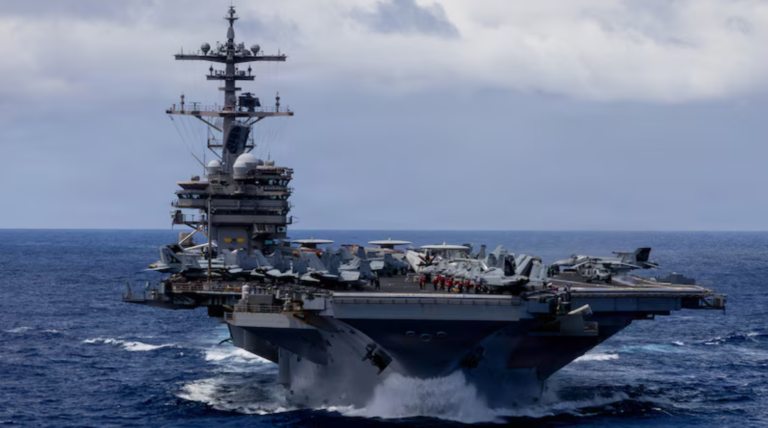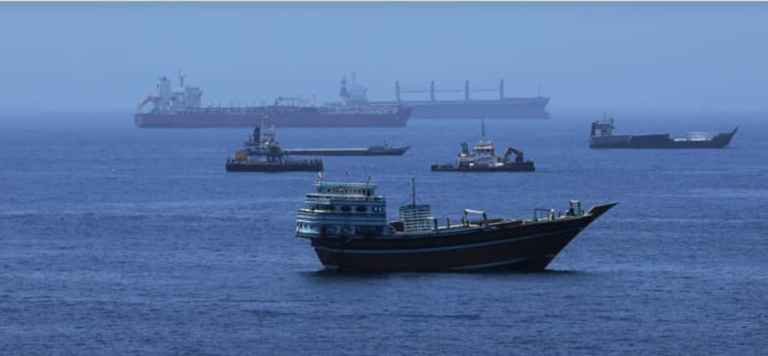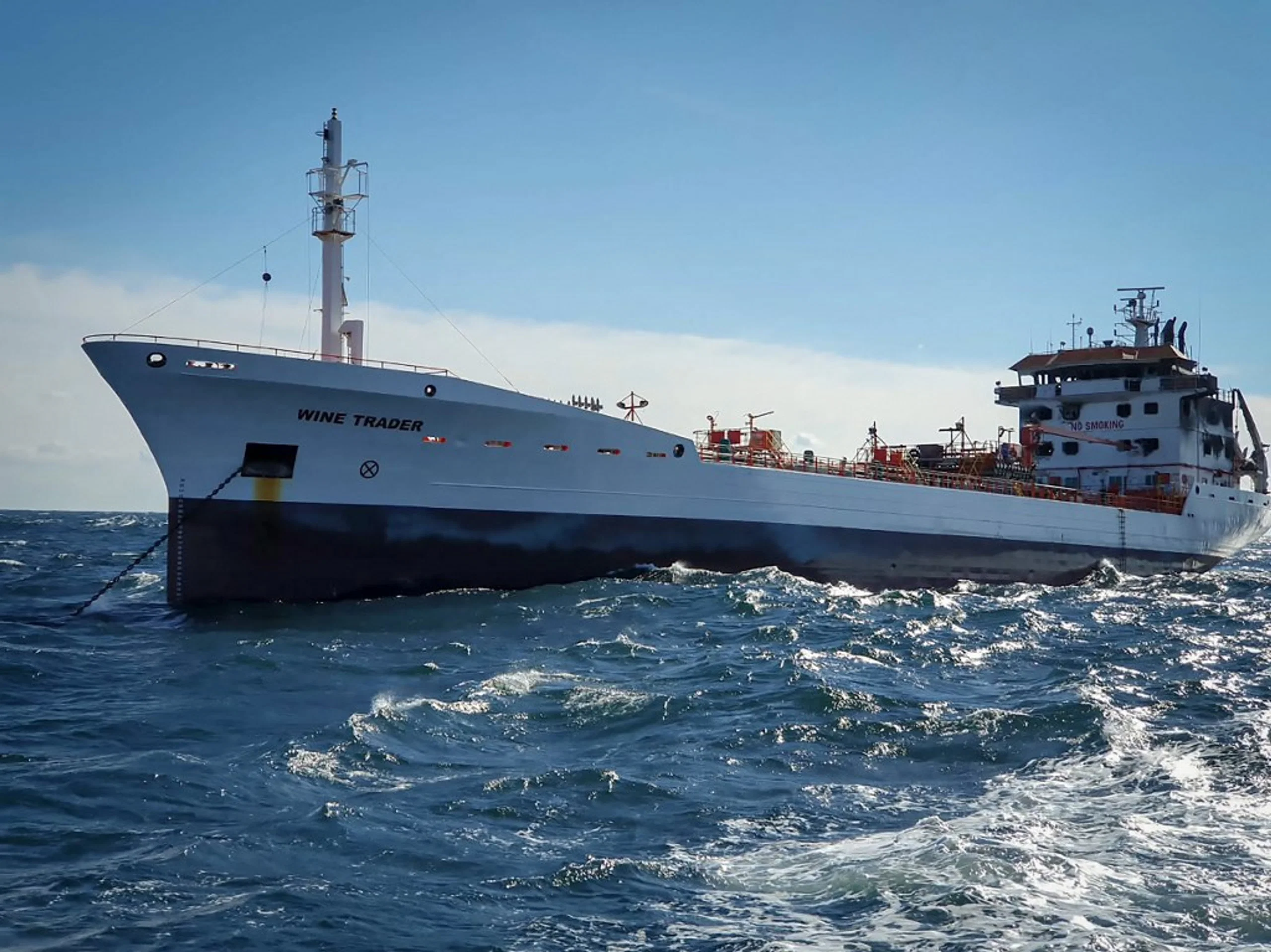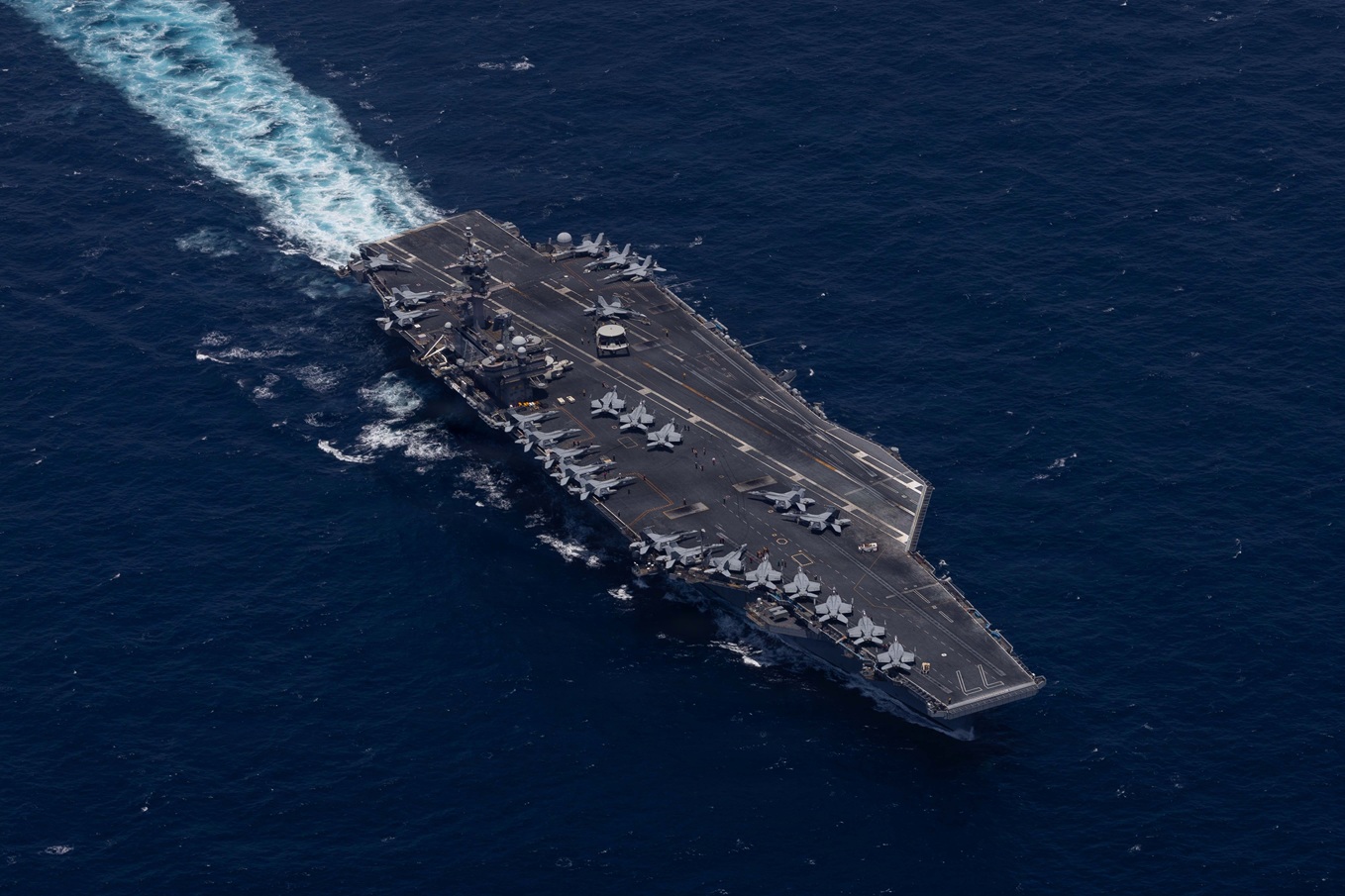
Nimitz-class aircraft carrier USS George H.W. Bush (CVN 77) sails in the Arabian Sea, May 3, 2026. George H.W. Bush is deployed to the U.S. 5th Fleet area of operations to support maritime security and stability in the Middle East. (U.S. Navy photo)
Obtaining outside data.
Checking internet sources, using keywords: Strait of Hormuz LNG traffic 2026
News from various sources:
The content retrieved discusses the current geopolitical crisis involving the Strait of Hormuz and its implications on LNG traffic as of 2026. Key highlights include:
- US-Iran Conflict: The conflict between the United States and Iran intensified in February 2026, significantly impacting operations through the strategically critical Strait of Hormuz—a crucial passageway for global oil and LNG shipments. This has resulted in severe disruptions with military blockades, stranding seafarers and ships, underscoring the strait’s geopolitical importance.
- Military Escalations and Market Impact: The military activities have led to a low market expectation of traffic normalization in the strait by August 31, 2026, with odds of only 11.5% for this outcome. Markets will be influenced by further military or diplomatic developments affecting the strait’s operational status.
- Diplomatic and Military Developments: Qatar attempted to dispatch LNG tankers through the Strait, signaling a potential restart of its LNG exports and perhaps indicating a slight de-escalation of tensions, albeit with ongoing uncertainties about a full return to normalcy.
- Energy Market Implications: The current situation has wider implications for global energy markets. The U.S. reimposed sanctions on Iranian oil following attacks on merchant vessels, affecting both the operational reliability of LNG routes and market trust.
- Recovery Challenges: Despite interim peace agreements, reopening the strait will not immediately stabilize global energy markets. Technical, operational, and geopolitical challenges, coupled with necessary repairs to damaged infrastructures like Qatar’s Ras Laffan facilities, will delay a return to pre-closure levels and impact energy export dynamics for years.
- Market Adjustments: Given these dynamics, Brent crude prices reflect a partial adjustment to the geopolitical risks, highlighting a broader market disconnect as traders have yet to fully price in the sustainable risks of disrupted flows, route reliability, and insurance challenges in the region.
- Outlook: The short-to-medium-term outlook remains uncertain, with the potential for escalating tensions or further diplomatic resolutions shaping market dynamics and shipping through the Strait of Hormuz.
Overall, the content indicates that while there are movements towards re-establishing LNG traffic, substantial geopolitical, operational, and market barriers persist, complicating the short-term outlook for the Strait of Hormuz and its significance in global energy logistics.
Fact-checked summary:
The conflict between the United States and Iran intensified in February 2026, critically impacting operations through the Strait of Hormuz, a vital passageway for global oil and LNG shipments. This has resulted in severe disruptions and military blockades, stranding seafarers and ships. Qatar attempted to dispatch LNG tankers through the strait, indicating a potential restart of LNG exports, but the U.S. has reimposed sanctions on Iranian oil following attacks on merchant vessels, further compounding the situation. Despite interim peace agreements, reopening the strait will not immediately stabilize global energy markets due to technical, operational, and geopolitical challenges, as well as necessary repairs to Qatar’s Ras Laffan facilities. Substantial geopolitical, operational, and market barriers complicate the outlook for the Strait’s reopening, making the short-to-medium-term outlook uncertain with potential for escalations or resolutions influencing the situation. These factors are critical and important in assessing the likelihood of the Strait of Hormuz reopening to all LNG traffic before July 31, 2026.
OpenAI gives a base rate of 0.3 (30%)
The question difficulty is rated 8 (0 to 10)
Historical weighted factors include:
Frequency of major geopolitical resolution in the region, 0.2
Previous trends in U.S.-Iran relations, 0.3
Operational readiness of key LNG infrastructure, 0.3
Historical duration of major energy route disruptions, 0.2
A Bayesian calculation could be performed as follows:
Using the historical weightings and current geopolitical news, increase the likelihood provided by previous trends in U.S.-Iran relations due to recent attempts at interim peace agreements (raise to 0.4), adjust the probability based on current operational readiness post-conflict (raise to 0.35), and keep geopolitical resolution and energy route disruption factors constant. Calculate: (0.20.1) + (0.40.3) + (0.350.3) + (0.20.2) = 0.315
Bayesian base rate: 0.315 (31.5)%
Sufficient news to provide a good forecast? 1 (0 or 1)
News is relevant, topical and unbiased? 1 (0 or 1)
Question classification: scenario_based_forecast
Expected time (days) until question close: 15
The following were considered in order to produce this base rate:
The base rate is derived from historical instances of conflicts in the region leading to disruptions and periods required for resolution, along with the technical difficulties in restarting operations.
Ideally, the news feed would contain the following sorts of information for a better forecast:
More comprehensive data on the current status of Qatar’s LNG facilities, details of the peace agreements, and real-time movements in the geopolitical climate would assist in refining the forecast further. Also, any intelligence on potential sanctions relief efforts would be valuable.
Some potential divergent considerations that might affect the base rate:
Possible rapid diplomatic advancements could sharply alter probabilities, as could unexpected technical innovations in LNG operations. An unforeseen escalation could lead to a longer-lasting disruption.
The following chain of events are necessary for the question to resolve positively:
- Resolution of the conflict between the United States and Iran, leading to cessation of military blockades. low –
- Reopening of the Strait of Hormuz for all LNG traffic. moderate
- Technical and operational issues at Qatar’s Ras Laffan facilities being resolved. moderate
- Sanctions that block LNG traffic through the Strait being lifted or bypassed. low
Querying Claude (AI predicts: 0.12 – confidence: 5)
Querying Mistral (AI predicts: 0.45 – confidence: 6)
Querying OpenAI (AI predicts: 0.25 – confidence: 4)
Explanations of the statistical measures listed below.
Question Type: Binary
Median from LLMs: 0.25
Base rate: 0.3 (from OpenAI)
SD: 0.14
MAPD: 0.22
Confidence: 5
Conf Mode: Normal
Mellers: 0.17
Reverse Mellers: 0.33
Theory of Mind: 0.18 (What did the LLMs think other LLMs predicted?)
Beta Distribution: 0.62
Close Type: A (B = cautious # closer to 50%; A/C = closer to extremes)
LLM responses: 3
Model value: 0.25 (25%)
The consensus among the various AI analyses is that the probability of the Strait of Hormuz reopening to all liquefied natural gas (LNG) traffic before July 31, 2026, is low, largely due to ongoing geopolitical tensions. Key barriers include the US-Iran conflict, recent reimposition of US sanctions on Iranian oil, and technical issues at Qatar’s Ras Laffan facilities. While historical conflicts in the region suggest prolonged disruptions, there is still a small chance of a last-minute diplomatic breakthrough or third-party intervention, potentially leading to a temporary reopening of the strait. However, the extremely short timeframe of 15 days makes significant progress unlikely, especially given that each necessary condition for reopening requires resolution and these are contingent on complex geopolitical dynamics. Overall, while the established base rate is around 0.3, the actual probability is considered much lower considering current circumstances.
Runtime: 125 seconds.
About The Author