March 6, 2026

What’s Happening Today while Looking Toward Tomorrow

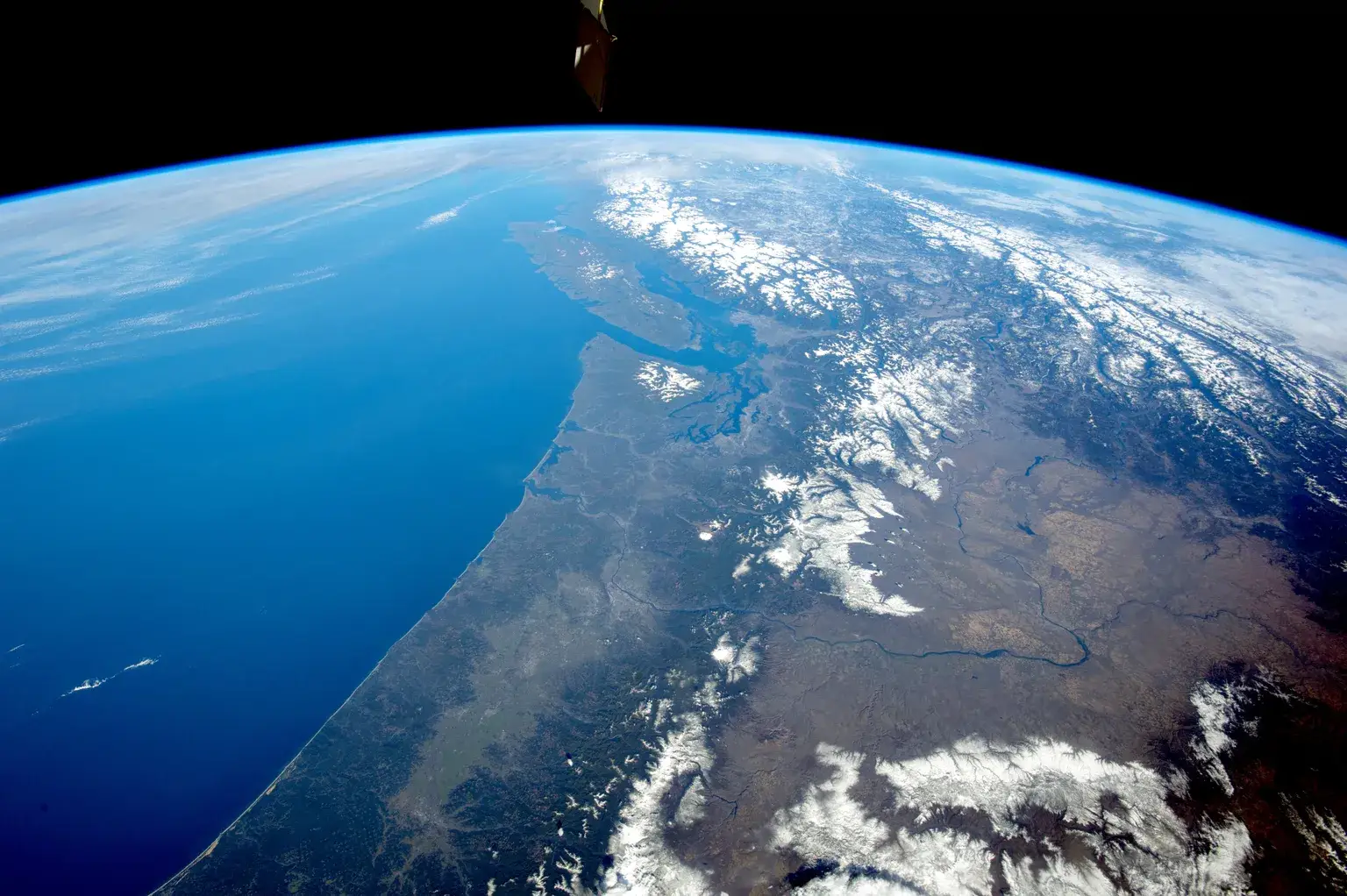
The snow-covered Cascade Range in the foreground gives way to the Rocky Mountains and Coast Mountains in Canada, with Vancouver Island offshore, in a photograph taken Feb. 28, 2015, by an astronaut looking north from the International Space Station. (NASA/NASA)

The snow-covered Cascade Range in the foreground gives way to the Rocky Mountains and Coast Mountains in Canada, with Vancouver Island offshore, in a photograph taken Feb. 28, 2015, by an astronaut looking north from the International Space Station. (NASA/NASA)

 BestWorld is a non-profit researching better ways to provide news we can trust and use.  With our Bot or Not project, we are focusing on how to detect the online activities of AI bots, given the increasing dangers of this fast changing technology. We will always let you know wherever anything on BestWorld has been researched or written in whole or in part with AI The Science & Data Behind BestWorld

BestWorld is reimagining both traditional and social media-based news with both our own research and by linking to other research efforts.

Details here on novel ways in which traditional news media are enabling readers to interact with their news stories. These techniques are far more than merely allowing comments.

Would you like to collaborate with our research?
Contact Us

Our Team

Today’s BestWorld news


Our long term goal is to build a BestWorld Ecosystem with consideration of our planet. Depicted here, the East Philippine Sea as seen from space. Source: NASA.
The East Philippine Sea as seen from space. Source: NASA.

Below, the men and women who live and work on the International Space Station take thousands of photographs of their home planet every year, and we asked the folks at the Earth Science and Remote Sensing Unit at NASA’s Johnson Space Center for a few of their favorites from 2020.
Source: Gateway to Astronaut Photography of Earth (https://eol.jsc.nasa.gov/)
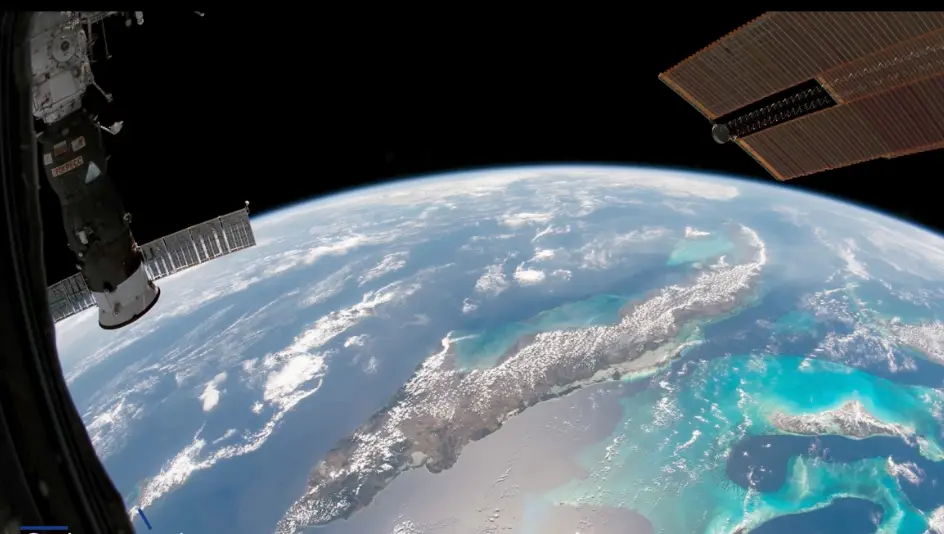
The men and women who live and work on the International Space Station take thousands of photographs of their home planet every year, and we asked the folks at the Earth Science and Remote Sensing Unit at NASA’s Johnson Space Center for a few of their favorites from 2020.
Source: Gateway to Astronaut Photography of Earth(https://eol.jsc.nasa.gov/)
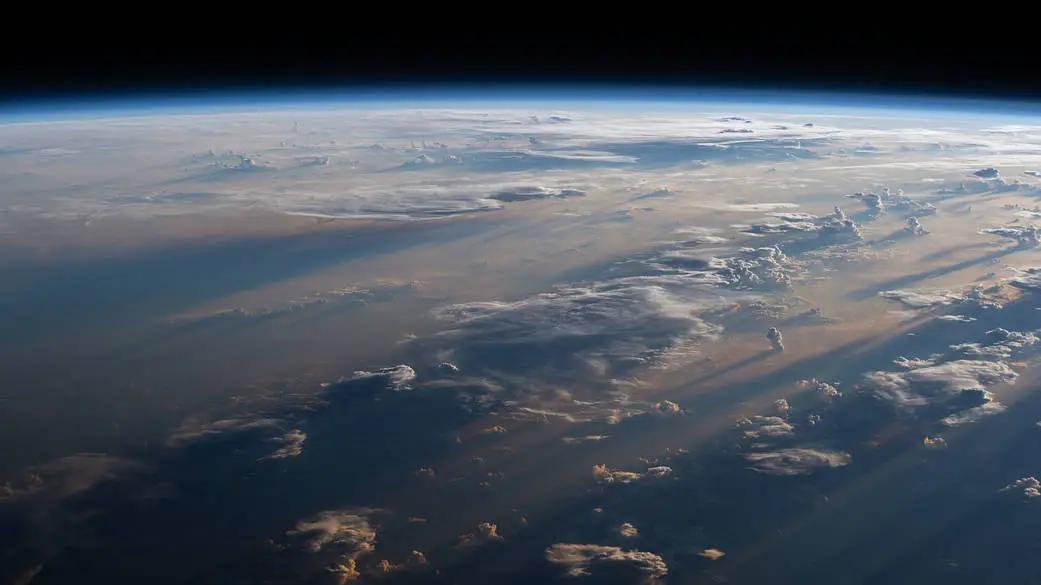
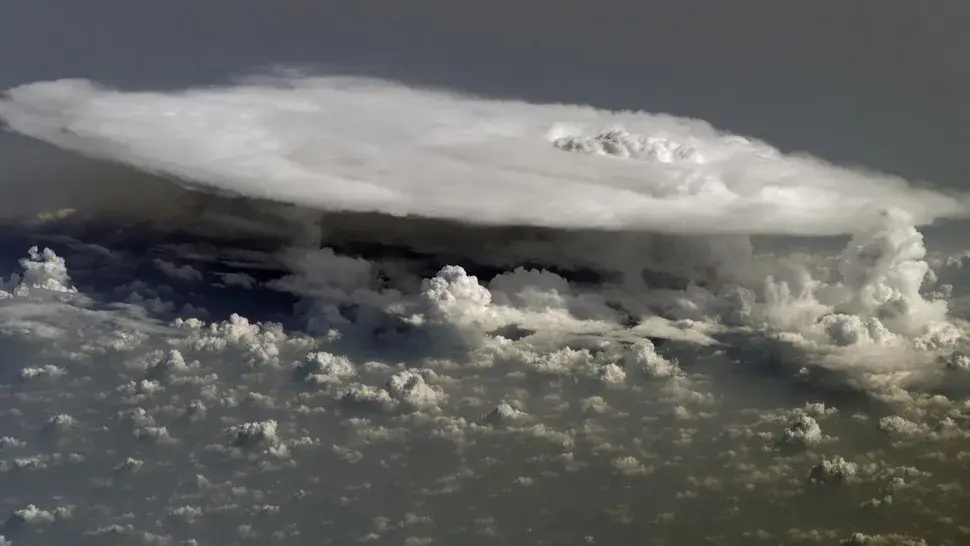
Looming high above a layer of fluffy, popcorn-like clouds over Africa is a large cumulonimbus cloud, which looks like an enormous shelf of water vapor. This image was captured by an Expedition 16 crewmember of the International Space Station. Due to its shape, this type of cloud formation is often referred to as an "anvil cloud." Source: NASA https://www.space.com/earth-day-amazing-nasa-photos.html
Looming high above a layer of fluffy, popcorn-like clouds over Africa is a large cumulonimbus cloud, which looks like an enormous shelf of water vapor. This image was captured by an Expedition 16 crew member of the International Space Station. Due to its shape, this type of cloud formation is often referred to as an “anvil cloud.” Source: NASA https://www.space.com/earth-day-amazing-nasa-photos.html