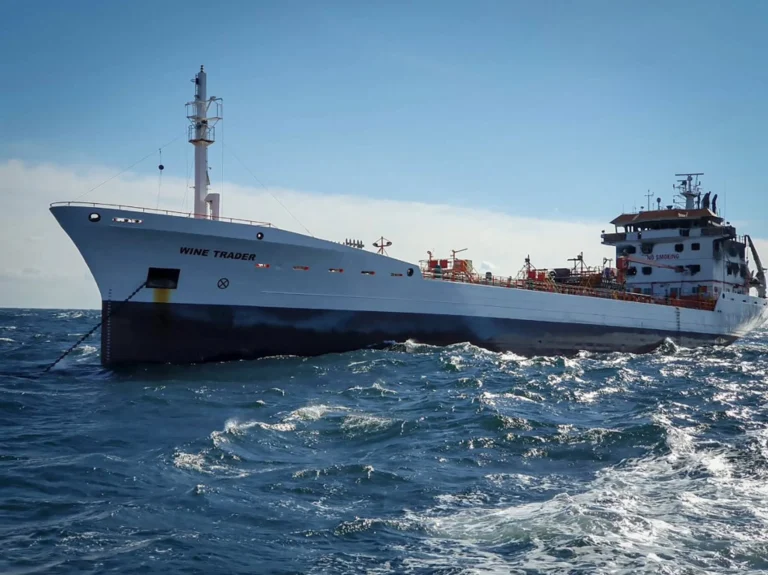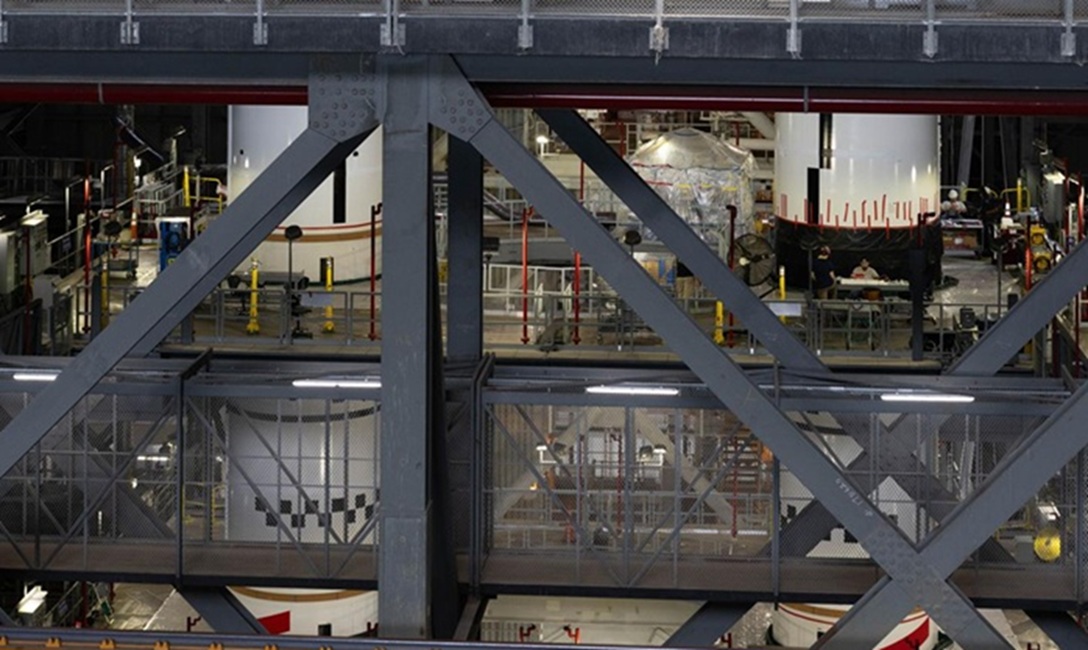
The critical-path risk is still the commercial lander test article. Both providers have schedule issues: SpaceX’s HLS work is reported behind, and Blue Origin suffered a significant New Glenn pad explosion and is still rebuilding toward return-to-flight.
Deepseek Binary response:
The latest official NASA position still describes Artemis III as a 2027 low-Earth-orbit demonstration, and NASA-controlled SLS/Orion hardware has made real progress: Artemis II is complete, Orion modules are joined, and SLS stacking/testing is advancing. The “one or both providers” flexibility materially improves the odds because NASA does not need both SpaceX and Blue Origin to be ready.
However, the critical-path risk is still the commercial lander test article. Both providers have schedule issues: SpaceX’s HLS work is reported behind, and Blue Origin suffered a significant New Glenn pad explosion and is still rebuilding toward return-to-flight. Blue Origin’s Blue Moon pathfinder has slipped into 2027, leaving little margin for orbital checkout, while Artemis III itself needs a coordinated multi-launch campaign and successful rendezvous/docking with crewed Orion. The mission is already reported roughly 90 days behind, so the effective target is closer to late 2027; the mission must launch by roughly mid-December 2027 to complete within the resolution window.
A rough decomposition gives: meaningful chance SLS/Orion itself is ready by late 2027; lower probability at least one commercial lander test article is ready and integrated in time; then a further discount for successful docking/mission completion before December 31. The flexibility of using one provider helps, but neither provider looks robustly on schedule. Historical NASA human-spaceflight schedule slippage also argues against overconfidence in the announced 2027 target. Overall, I see this as somewhat less than even odds but not extremely unlikely.
Key assumptions that could alter the forecast:
- If SpaceX can rapidly field a Starship LEO docking pathfinder, the probability rises substantially.
- If Blue Origin’s New Glenn recovery and Blue Moon pathfinder stay on the current aggressive schedule, the probability rises.
- If another 3–6 month slip occurs beyond the reported 90-day delay, the December 2027 completion deadline is likely missed.
Data sufficiency: Sufficient
Probability: 38%
Perplexity response:
## Ten most relevant recent sources
“US to seek rival bids for Artemis 3 as SpaceX lags, NASA chief says” — The Economic Times, October 14, 2026.
The report says NASA planned to seek competing bids for the Artemis III lunar-mission contract because of delays associated with SpaceX’s Starship schedule. Although the revised Artemis III orbital demonstration may not require a full lunar landing, the report indicates that SpaceX’s broader Human Landing System program remains a source of schedule concern. It also shows NASA is willing to alter the supplier and mission architecture, which may reduce dependence on a single provider but could introduce procurement and integration delays.
“NASA plans Artemis III docking demonstration in low Earth orbit for 2027” — Digg, October 18, 2026.
The article reports that NASA’s current plan is a crewed low-Earth-orbit demonstration in 2027 rather than a lunar landing. Orion would launch on SLS and practice rendezvous and docking with one or both commercial landers from SpaceX and Blue Origin. This directly matches the resolution criteria, although it does not establish that the mission will launch or complete successfully.
“Artemis III SLS teams prepare short stack for pad tanking test” — NASASpaceflight, October 14, 2026, updated October 18, 2026.
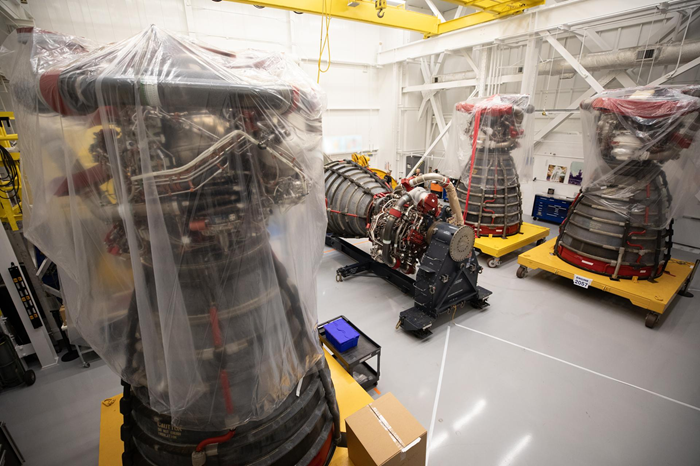
NASA and contractor teams had stacked both solid rocket boosters and installed all four RS-25 engines on the Artemis III core stage. The next planned step was assembling the short stack for a launch-pad tanking test, which would provide an important rehearsal before the targeted no-earlier-than June 2027 launch. The report says Artemis III is planned to remain in low Earth orbit and conduct rendezvous and docking tests with commercial lunar-lander vehicles.
“What’s Happening in Space Policy October 18–24, 2026” — SpacePolicyOnline, October 18, 2026.
The report describes Artemis III as an Earth-orbiting mission targeted for mid-2027, involving Orion and test versions of the SpaceX and Blue Origin landers. It also reports that NASA Administrator Jared Isaacman had indicated the mission was approximately 90 days behind schedule. That delay is a significant negative indicator because the target launch window is already relatively close to the end of 2027.
“NASA to Discuss Artemis Acceleration, Status of Upcoming Moon Missions” — NASA, October 14, 2026, updated October 18, 2026.
NASA said it would provide an update on Artemis III, which is intended to send four astronauts into low Earth orbit in 2027 to test systems needed for later lunar missions. NASA also linked the mission to progress toward returning astronauts to the Moon with Artemis IV in 2028. The official announcement confirms that the orbital demonstration is NASA’s current architecture, not merely an outside interpretation of the program.
“Artemis III Scientist Shares What to Expect From NASA’s Next Lunar Mission” — Wired, October 15, 2026.
A NASA scientist explained that Orion will rendezvous in Earth orbit with test articles supplied by SpaceX and Blue Origin. The article emphasizes that the spacecraft involved would be test vehicles rather than complete operational lunar landers, and that the purpose is to validate safe rendezvous and docking before attempting the operation in lunar orbit. This suggests that the revised mission is technically less ambitious than a lunar landing, which could improve the chance of completing it by 2027.
“Artemis III mission plans: NASA’s 2027 orbital test” — NeoTeo, October 13, 2026, updated October 19, 2026.
The report describes Artemis III as a four-person Orion/SLS mission to low Earth orbit, with rendezvous and docking tests involving one or both commercial human-landing systems. It says NASA’s June 2026 outline envisioned separate test vehicles from Blue Origin and SpaceX. The sequential testing of multiple vehicles would increase operational complexity, but the “one or both” formulation gives NASA some flexibility if only one provider is ready.
“NASA plans Artemis III docking demonstration in low Earth orbit for 2027” — SpacePolicyOnline/Digg coverage, October 18, 2026.
The latest public descriptions state that the mission’s objective is to demonstrate the rendezvous and docking operations required for future lunar surface missions. The mission is therefore capable of satisfying the resolution even if only one commercial lander participates, because NASA’s wording is “one or both.” The key unresolved issue is not the mission definition but whether all required launch, docking, and test activities can be completed before December 31, 2027.
“New Glenn Return 2026; Blue Origin Expands Texas” — The Canadian, October 14, 2026.
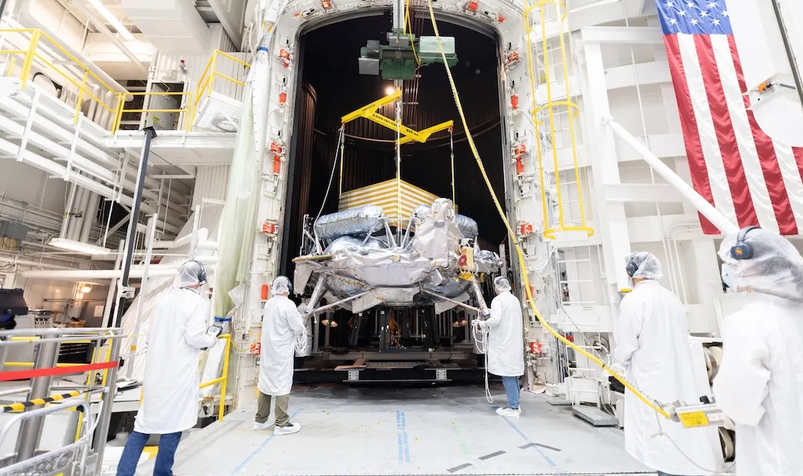
This report says Blue Origin’s Artemis III pathfinder is expected to be a modified Blue Moon Mark 1 vehicle with a docking mechanism, crew cabin, and environmental-control systems. That indicates Blue Origin’s contribution is being adapted specifically for the orbital demonstration rather than relying on an unmodified future lunar vehicle. However, the source does not show that the pathfinder has already flown or completed the full test campaign.
“5 major space missions still to launch from Florida before 2026 ends” — Florida Today, October 16, 2026, updated October 19, 2026.
The article reports that a Blue Origin lunar-lander-related launch that NASA had previously indicated could occur by the end of 2026 appeared to have slipped into early 2027. That creates schedule pressure because an early-2027 pathfinder launch would leave limited time for orbital checkout before the crewed Artemis III demonstration. The slippage is evidence against treating the mid-2027 target as firm.
=== Forecast Result ===
=== Reasoning ===
The latest official NASA position still describes Artemis III as a 2027 low-Earth-orbit demonstration, and NASA-controlled SLS/Orion hardware has made real progress: Artemis II is complete, Orion modules are joined, and SLS stacking/testing is advancing. The “one or both providers” flexibility materially improves the odds because NASA does not need both SpaceX and Blue Origin to be ready
However, the critical-path risk is still the commercial lander test article. Both providers have schedule issues: SpaceX’s HLS work is reported behind, and Blue Origin suffered a significant New Glenn pad explosion and is still rebuilding toward return-to-flight. Blue Origin’s Blue Moon pathfinder has slipped into 2027, leaving little margin for orbital checkout, while Artemis III itself needs a coordinated multi-launch campaign and successful rendezvous/docking with crewed Orion. The mission is already reported roughly 90 days behind, so the effective target is closer to late 2027; the mission must launch by roughly mid-December 2027 to complete within the resolution window.
A rough decomposition gives: meaningful chance SLS/Orion itself is ready by late 2027; lower probability at least one commercial lander test article is ready and integrated in time; then a further discount for successful docking/mission completion before December 31. The flexibility of using one provider helps, but neither provider looks robustly on schedule. Historical NASA human-spaceflight schedule slippage also argues against overconfidence in the announced 2027 target. Overall, I see this as somewhat less than even odds but not extremely unlikely.
Key assumptions that could alter the forecast:
- If SpaceX can rapidly field a Starship LEO docking pathfinder, the probability rises substantially.
- If Blue Origin’s New Glenn recovery and Blue Moon pathfinder stay on the current aggressive schedule, the probability rises.
- If another 3–6 month slip occurs beyond the reported 90-day delay, the December 2027 completion deadline is likely missed.
Data sufficiency: Sufficient
Probability: 38%
End
About The Author