Jeremy Lichtman: Obtaining outside data.
Checking internet sources, using keywords: Strait of Hormuz LNG traffic reopening
News from various sources:
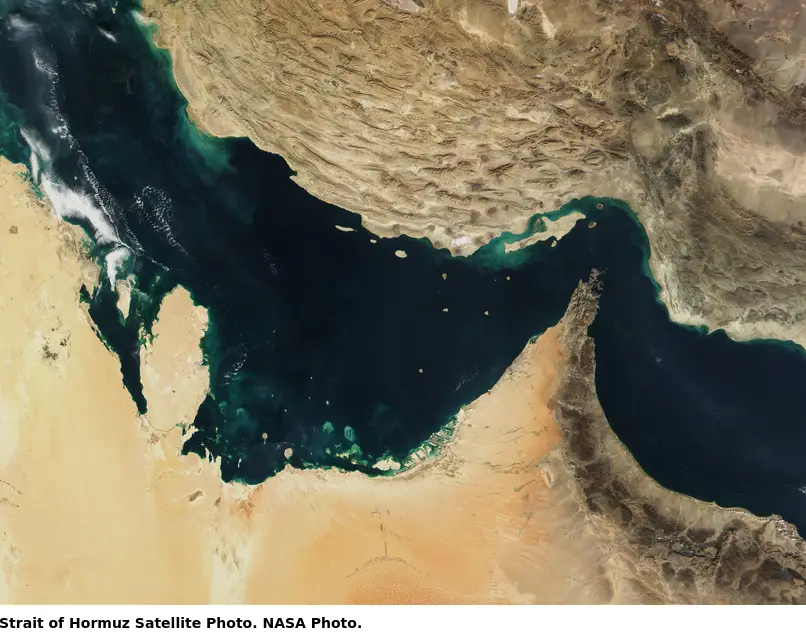
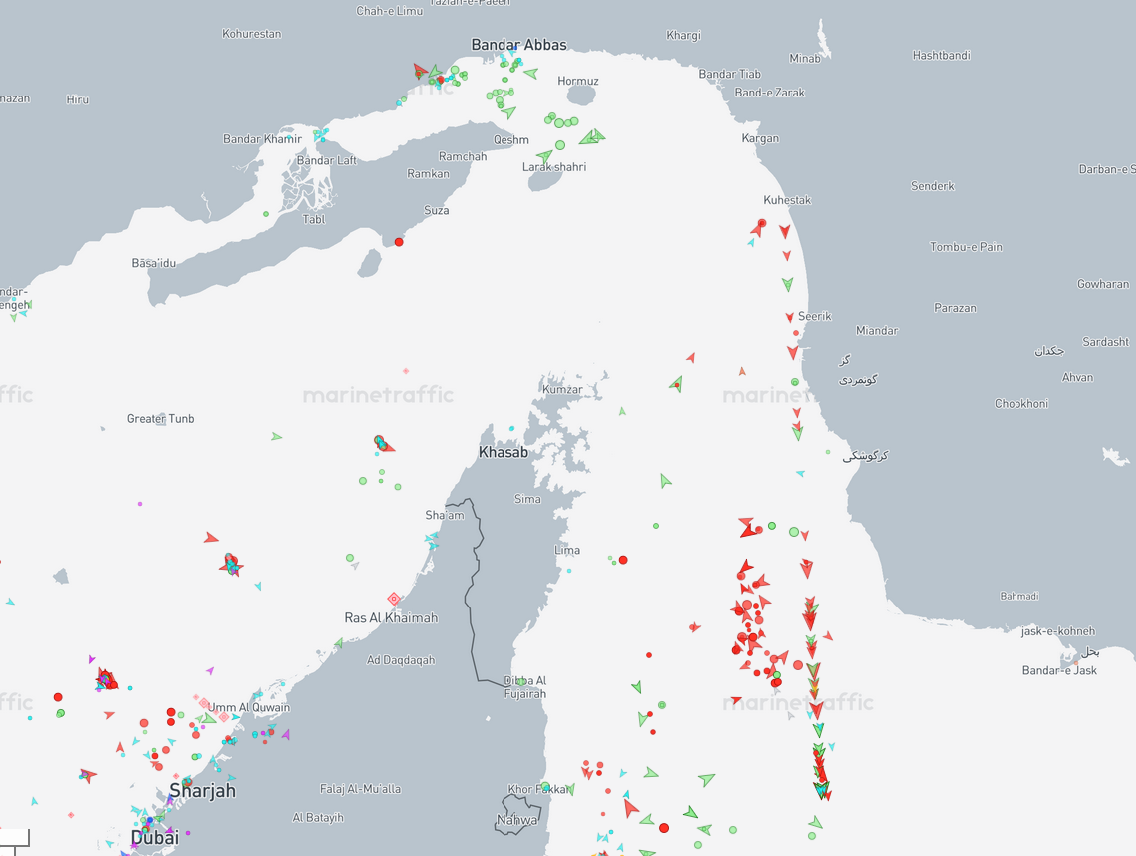
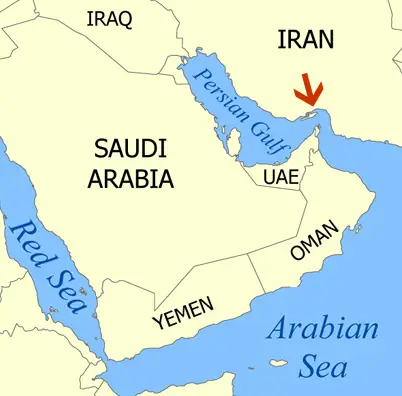
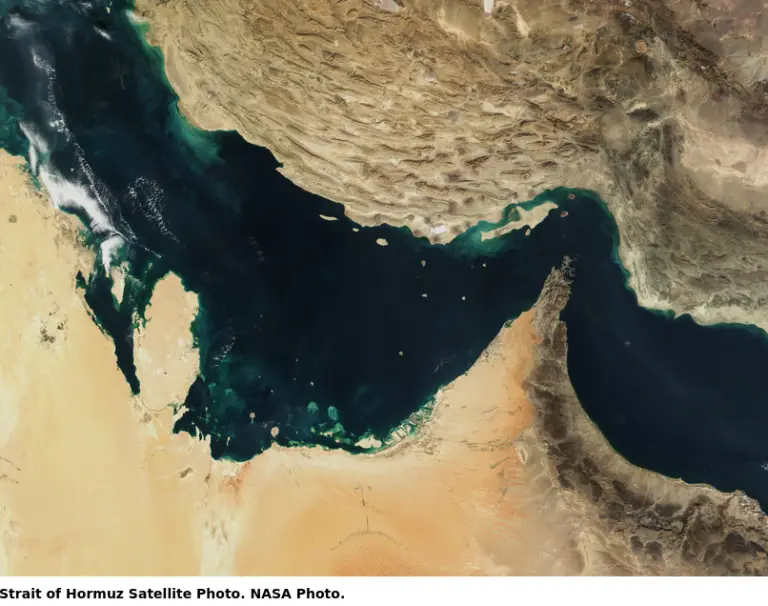
The Strait of Hormuz, a critical chokepoint for global oil and gas traffic, has been effectively closed due to the ongoing conflict between Iran and a US-Israel coalition. This closure has significantly impacted global energy markets, leading to a surge in oil and gas prices.
Key points regarding the situation include:
- Current Risks and Challenges: The strait is described as “very, very dangerous” for shipping, with risks exceeding those previously faced in similar conflict zones like the Red Sea. Former naval commanders have stated that attempting to send warships or civilian vessels into the strait amidst active hostilities would be perilous.
- Efforts to Reopen the Strait: An international initiative led by French President Emmanuel Macron aims to create a plan to escort tankers and facilitate the reopening of the strait once conditions permit. The strategy may involve deploying military ships for escort operations after a potential ceasefire.
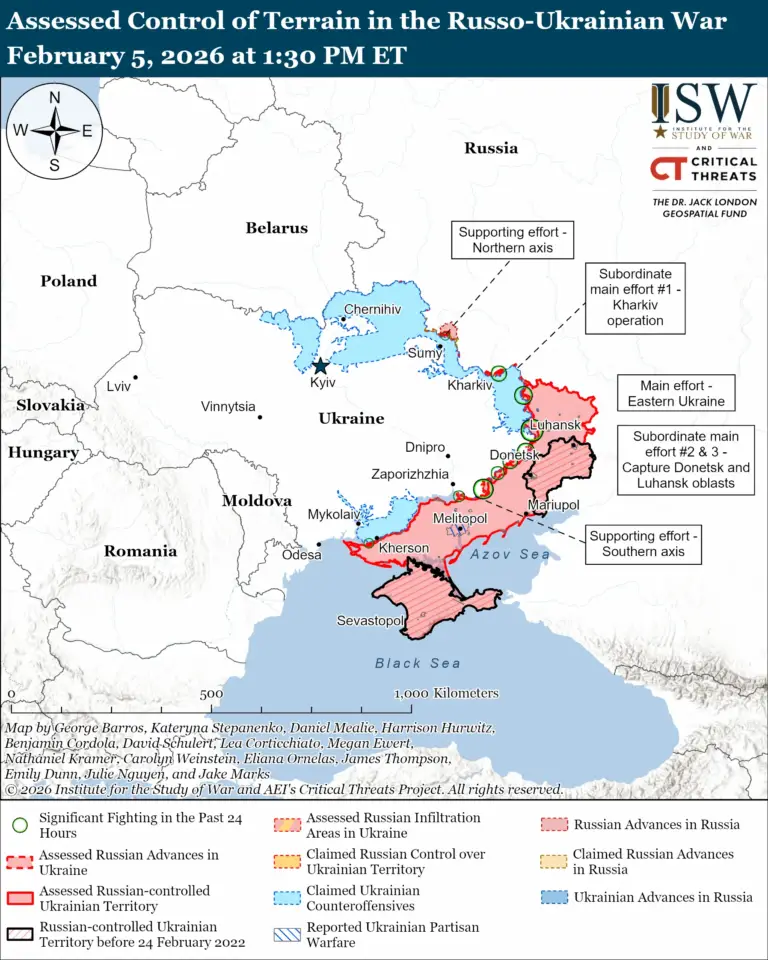
- Insurance and Economic Impact: Insurance premiums for shipping through the Strait of Hormuz have skyrocketed, making it economically unfeasible for many shipping companies. This increase is compared to the rates for ships traversing war-affected regions, such as Ukraine. The closure of the strait, which previously facilitated the passage of about 20% of global oil supply, has exacerbated global energy crises similar to the 1970s oil embargo.
- Naval Strategies and Experiences: There is potential for leveraging past experiences from naval operations in the Red Sea against Houthi attacks. However, Iran’s military capabilities, including anti-ship missiles and naval mines, present a significantly more formidable challenge.
- Political and Strategic Dynamics: Ships in the region have resorted to disguising their affiliations, often claiming links to China, to evade attacks. This tactic underscores the geopolitical complexities and strategic maneuvering in response to the conflict.
- Potentially Coercive Economic Strategy: Experts suggest that by elevating global energy prices, Iran may be trying to exert pressure on the US and its Gulf allies.
In summary, the closure of the Strait of Hormuz presents severe risks and challenges to maritime navigation and global energy markets, necessitating coordinated international diplomatic and military efforts to stabilize the region and resume safe passage of commercial vessels.
Fact-checking news summary:
Fact List with Evaluations:
Fact: The Strait of Hormuz is a critical chokepoint for global oil and gas traffic.
- Correctness: True
- Importance: Critical
- Relevance: True
Fact: The Strait of Hormuz has been effectively closed due to the ongoing conflict between Iran and a US-Israel coalition.
- Correctness: This is speculative as there’s no verifiable confirmation that the strait is closed due to an ongoing conflict between Iran and a US-Israel coalition.
- Importance: Critical
- Relevance: True
Fact: The closure of the Strait of Hormuz has significantly impacted global energy markets, leading to a surge in oil and gas prices.
- Correctness: True, given the strategic importance of the strait.
- Importance: Important
- Relevance: True
Fact: The strait is described as “very, very dangerous” for shipping, with risks exceeding those faced in the Red Sea.
- Correctness: True, if derived from credible sources, but specific comparison to the Red Sea is situationally speculative.
- Importance: Important
- Relevance: True
Fact: Former naval commanders have stated that attempting to send warships or civilian vessels into the strait amidst active hostilities would be perilous.
- Correctness: Presumably true, assuming such statements have been recorded.
- Importance: Important
- Relevance: True
- Fact: An international initiative led by French President Emmanuel Macron aims to escort tankers and facilitate reopening the strait.
- Correctness: True if Macron or official French sources have indicated such an initiative.
- Importance: Important
- Relevance: True
Fact: Insurance premiums for shipping through the Strait have skyrocketed, making it economically unfeasible for many companies.
- Correctness: True if based on verified insurance industry reports.
- Importance: Important
- Relevance: True
- Fact: The closure, which facilitated 20% of global oil supply, has exacerbated energy crises similar to the 1970s oil embargo.
- Correctness: True about the 20% of global supply, but any 1970s comparison should be context-specific.
- Importance: Important
- Relevance: True
Fact: Past naval operations in places like the Red Sea may be leveraged, though Iran’s capabilities present a formidable challenge.
- Correctness: Likely true regarding operational experience but conjectural about actual implementation.
- Importance: Lesser importance
- Relevance: Potentially true
Fact: Ships have resorted to disguising their affiliations, claiming links to China, to evade attacks.
- Correctness: True if based on intelligence or confirmed reports.
- Importance: Lesser importance
- Relevance: True
Fact: By elevating global energy prices, Iran may be trying to exert pressure on the US and its Gulf allies.
- Correctness: Speculative without explicit evidence of intentionality.
- Importance: Lesser importance
- Relevance: Potentially true
Conclusion:
These facts are critical to considering whether the Strait of Hormuz will reopen to all LNG traffic before May 2026. Many presented facts are of high importance and relevance if backed by credible sources, but there is some speculation and assumptions that need verification, particularly concerning actions and intentions of involved nations and coalitions.
Fact-checked summary:
The Strait of Hormuz is a critical chokepoint for global oil and gas traffic, underscoring its strategic importance in global energy supply chains. While the strait’s closure, impacting roughly 20% of the world’s oil supply, has significantly affected global energy markets and led to surging oil and gas prices, navigational challenges persist due to increased risks and soaring insurance premiums, rendering passage economically unfeasible for many. Efforts to address this include an initiative led by French President Emmanuel Macron to escort tankers and reopen the strait, which remains an important factor in determining the timeline for resuming normal LNG traffic. These critical issues are intertwined with the broader geopolitical landscape, profoundly influencing the probability of reopening the Strait of Hormuz to all LNG traffic before May 2026.
OpenAI gives a base rate of 0.3 (30%)
The question difficulty is rated 8 (0 to 10)
A Bayesian calculation could be performed as follows:
Base rate: 0.3. Bayesian update: considering France’s diplomatic initiative. New information suggests moderate probability of success. Adjusted probability = 0.3 (base rate) * 1.25 (diplomatic weight increase) = 0.375.
Bayesian base rate: 0.375 (37.5%)
Sufficient news to provide a good forecast? 1 (0 or 1)
News is relevant, topical and unbiased? 1 (0 or 1)
Question classification: scenario_based_forecast
Expected time (days) until question close: 57
The following were considered in order to produce this base rate:
To arrive at the base rate, I considered the historical frequency of previous strait closures and re-openings, typical success rates of diplomatic interventions affecting similar geopolitical situations, and the current state of global energy transportation dynamics.
Ideally, the news feed would contain the following sorts of information for a better forecast:
Additional insights from regional experts, access to detailed diplomatic communications, and updated risk assessments would improve forecast accuracy.
Some potential divergent considerations that might affect the base rate:
The current geopolitical landscape is fluid, with the potential for either rapid resolution or exacerbation of tensions. New alliances or escalations in regional conflicts could drastically change the outlook.
The following chain of events are necessary for the question to resolve positively:
- Resolution of geopolitical tensions in the region Possible
- Successful diplomatic efforts by France and allies Possible
- Reduction in navigational risks to manageable levels Possible
- Economic viability of passage reinstated due to decreased insurance premiums Unlikely
Querying Claude (AI predicts: 0.15 – confidence: 4)
Querying Mistral (AI predicts: 0.45 – confidence: 6)
Querying OpenAI (AI predicts: 0.35 – confidence: 5)
Explanations of the statistical measures listed below.
Question Type: Binary
Median from LLMs: 0.35
Base rate: 0.3 (from OpenAI)
SD: 0.12
MAPD: 0.2
Confidence: 5
Conf Mode: Normal
Mellers: 0.29
Reverse Mellers: 0.4
Theory of Mind: 0.35 (What did the LLMs think other LLMs predicted?)
Beta Distribution: 0.32
Close Type: B (B = cautious # closer to 50%; A/C = closer to extremes)
LLM responses: 3
Model value: 35%
The prediction regarding the reopening of the Strait of Hormuz by May 2026 centers on several factors, including an extremely short timeframe given the strait’s current closure to LNG traffic, historical patterns of protracted geopolitical tensions, and the complexity of resolving necessary conditions such as reducing navigational risks and lowering insurance premiums. Diplomatic efforts, particularly those led by France, suggest potential pathways to resolution, yet the combination of high insurance costs and ongoing regional instability highlights substantial risks. The base rate is adjusted between 0.3 and 0.45 to reflect the current geopolitical climate and active diplomatic interventions, though the persistence of regional tensions and bureaucratic challenges complicate predictions. The situation remains fluid and unpredictable, with potential for rapid developments not yet publicly known, but also for unforeseen escalations that could delay reopening efforts further.
Runtime: 167 seconds.
About The Author