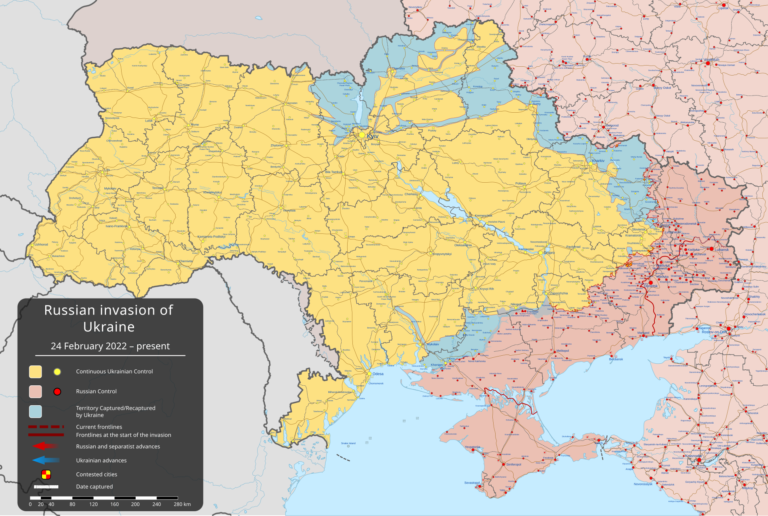
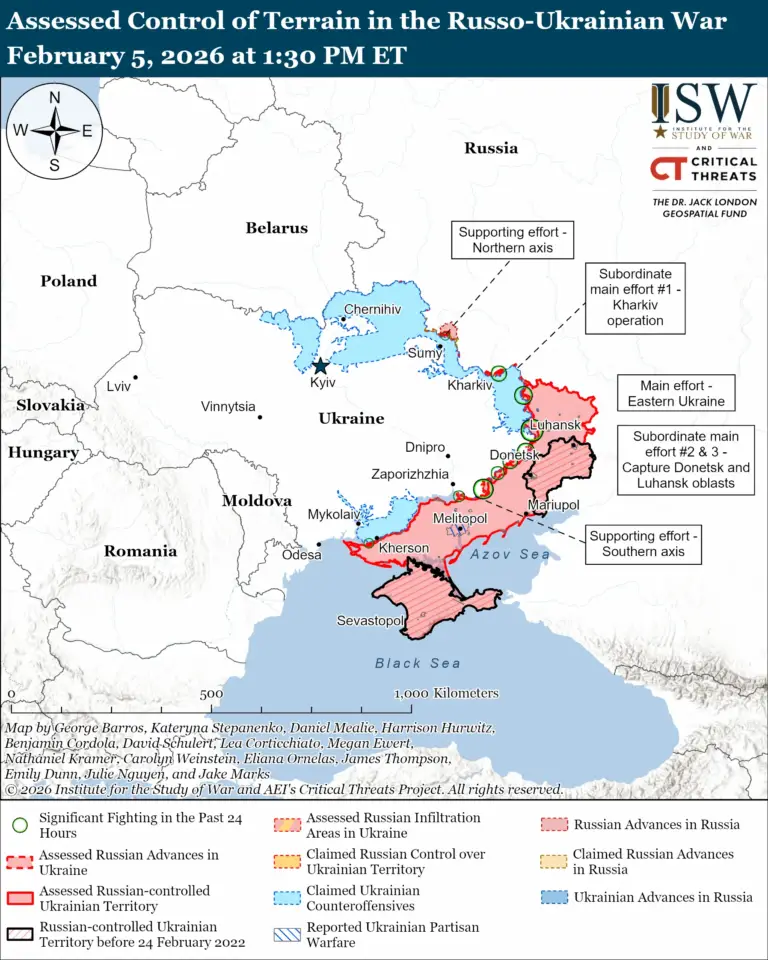
Russia-Ukraine War as of Feb. 5, 2026
Jeremy Lichtman’s Multi-AI Oracle forecasts 22%
Obtaining outside data.
Checking internet sources, using keywords: Ukraine ceasefire 2026
News from various sources:
The content covers the ongoing and complex situation surrounding the Ukraine ceasefire and associated geopolitical dynamics as of 2026. Key points include:
Ceasefire and Nuclear Plant Repairs:
- Russia and Ukraine have agreed to a local truce to repair backup power lines at the Zaporizhzhia nuclear plant in Ukraine. This plant, Europe’s largest nuclear power facility, has been under Russian control since early in the invasion. The International Atomic Energy Agency (IAEA) facilitated this ceasefire, with both sides accusing each other of potentially catastrophic actions near the plant.
Russian Military Strategy:
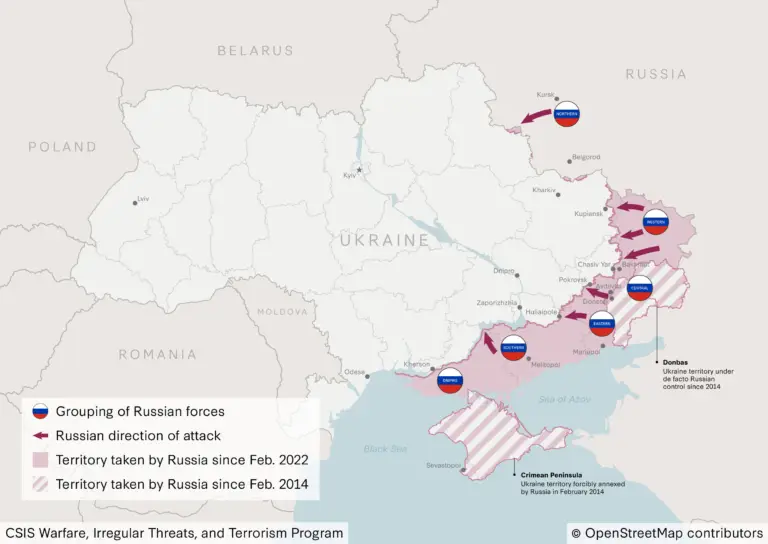
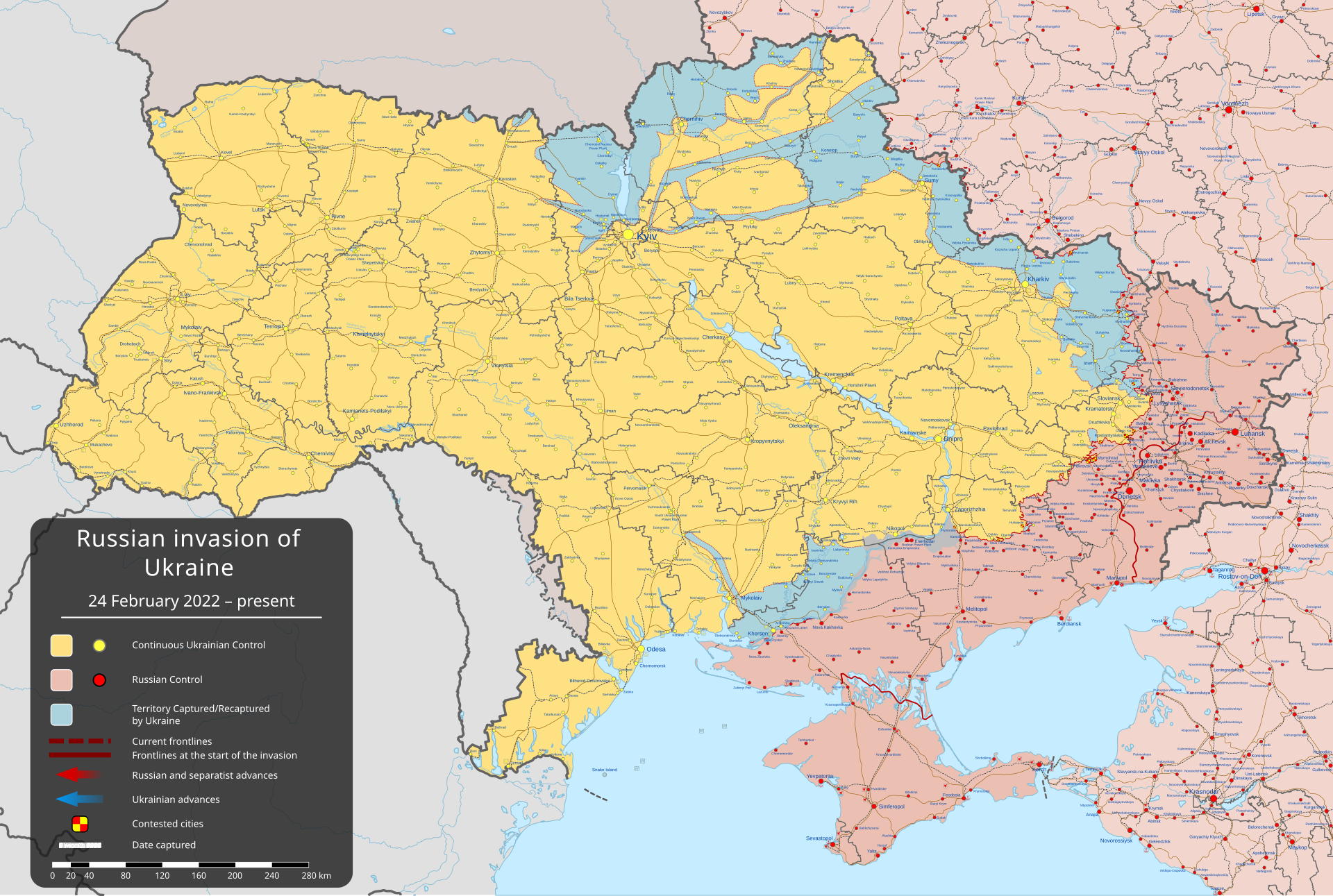
- Despite peace talks being held, there is no notable progression. Russia, under President Vladimir Putin, is said to be preparing new offensives, aiming at Ukraine’s eastern Donetsk region and other strategic areas. These actions are seen as part of a broader strategy to apply pressure on Ukraine amidst ongoing global conflicts.
Western Dynamics and Sanctions:
- The geopolitical landscape is strained with U.S. and European allies split over sanctions and support mechanisms for Ukraine. Tensions are heightened by the U.S.’s temporary waiver from sanctions on Russian oil, signaling disagreements within Western alliances.
U.S. and Trump’s Position:
- Former U.S. President Donald Trump, during the Iranian conflict, has expressed skepticism regarding Ukrainian President Zelenskyy’s role in achieving peace, suggesting a complex international diplomatic scenario. Trump also dismissed Ukrainian offers of military assistance concerning Iranian drone threats.
Military Developments:
- In the broader military context, Russia is reportedly increasing the use of long-range missiles and drone strikes, while Ukraine actively engages in counterattacks to disrupt Russian advances.
Economic and Political Repercussions:
- The ongoing war has impacted global economies, particularly in the energy sector, with surging oil prices fueling Russian military finances.
In summary, the situation around the Ukraine ceasefire is highly dynamic, involving intricate military strategies, international diplomacy challenges, and significant geopolitical and economic implications. Despite local truces, such as at the Zaporizhzhia nuclear plant, larger scale peace remains elusive amidst shifting alliances and strategic objectives.
Fact-checked summary:
The possibility of a comprehensive ceasefire or armistice in Ukraine in 2026 appears unlikely given the current military and geopolitical situation. Ongoing military actions, such as Russia’s preparation for new offensives in the Donetsk region and the increased use of long-range missiles and drone strikes, along with Ukraine’s counterattacks, imply challenging conditions for peace. These military dynamics are directly relevant to the prospects of a ceasefire. Additionally, the lack of notable progression in peace talks and divisions among the U.S. and European allies over sanctions on Russia further complicate the international pressure needed for negotiations. The broader economic context, including the impact of the conflict on global energy markets and its role in fueling Russian military finances, adds another layer of complexity, influencing both peace negotiations and the likelihood of hostilities continuing.
OpenAI gives a base rate of 0.15 (15%)
The question difficulty is rated 8 (0 to 10)
A Bayesian calculation could be performed as follows:
Starting with the historical base rate of ceasefires during similar conflicts in modern history (~0.1), adjusting upwards by 0.05 due to economic pressures potentially incentivizing a ceasefire (a minor positive impact), but anticipating little movement due to current military actions and diplomatic deadlocks, resulting in a final Bayesian estimate of 0.15.
Bayesian base rate: 0.15 (15%)
Sufficient news to provide a good forecast? 1 (0 or 1)
News is relevant, topical and unbiased? 1 (0 or 1)
Question classification: scenario_based_forecast
Expected time (days) until question close: 286
The following were considered in order to produce this base rate:
The base rate is derived from considering both historical ceasefires in similar prolonged conflicts and the current geopolitical conditions. Military actions continue to dominate the situation, dampening prospects for a ceasefire. Economic pressures, though noteworthy, aren’t sufficiently pivotal given current dynamics.
Ideally, the news feed would contain the following sorts of information for a better forecast:
Additional detailed intelligence on internal political dynamics within Russia and Ukraine, as well as the influence of non-state actors, would provide more comprehensive insights into the feasibility of ceasefire negotiations.
Some potential divergent considerations that might affect the base rate:
If geopolitical alignments shift dramatically or significant progress in peace talks occurs, it might increase the probability of a ceasefire beyond the base rate. Conversely, escalation of military actions could further reduce any slim possibilities.
The following chain of events are necessary for the question to resolve positively:
- Economic or political pressures on Russia or Ukraine incentivizing a ceasefire. Moderate
- Reduction in military activities from both Ukraine and Russia. Low
- Successful peace negotiations facilitated by international mediators. Low
- Alignment of geopolitical interests among major world powers, including the U.S., EU, and Russia. Low
Querying Claude (AI predicts: 0.28 – confidence: 4)
Querying Mistral (AI predicts: 0.22 – confidence: 6)
Querying OpenAI (AI predicts: 0.15 – confidence: 5)
Explanations of the statistical measures listed below.
Question Type: Binary
Median from LLMs: 0.22
Base rate: 0.15 (from OpenAI)
SD: 0.05
MAPD: 0.086666666666667
Confidence: 5
Conf Mode: Normal
Mellers: 0.14
Reverse Mellers: 0.31
Theory of Mind: 0.2 (What did the LLMs think other LLMs predicted?)
Beta Distribution: 0.1
Close Type: A (B = cautious # closer to 50%; A/C = closer to extremes)
LLM responses: 3
Model value: 22%
The prediction of a ceasefire in the Ukraine conflict within 2026 relies on various analytical factors. These include historical base rates of ceasefires in similar conflicts, current military dynamics indicating ongoing hostilities, geopolitical fragmentation among global powers, and a lack of progress in peace talks. Additionally, timeframe constraints with 9.5 months remaining in the year make a timely diplomatic resolution challenging. The probability of a ceasefire is adjusted slightly upward from the base rate due to possible economic pressures on Russia and potential for unforeseen diplomatic breakthroughs. However, these adjustments remain speculative against the backdrop of continued military escalation and diplomatic stalemate. The prediction could also be invalidated by unpredictable events like sudden military breakthroughs, geopolitical shifts, or successful mediation by third parties, highlighting the volatile and complex nature of the conflict dynamics.
Runtime: 126 seconds.
About The Author